- Home/
- Buy Zithromax in Online Pharmacy for United States Customers
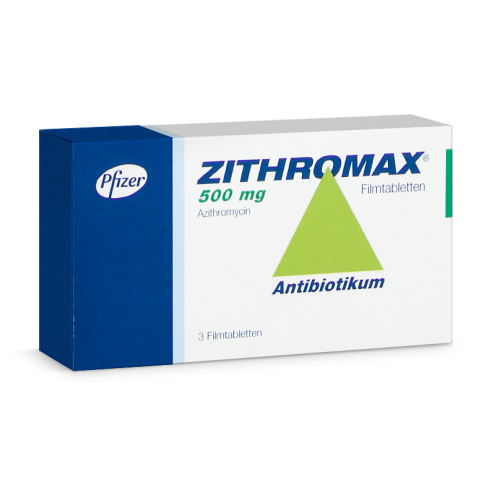
Can Zithromax (Azithromycin) Be Obtained Without a Prescription in the United States?
No, Zithromax (azithromycin) is a prescription-only antibiotic in the United States. It cannot be legally obtained without a valid prescription from a licensed healthcare provider. Dispensing regulations are enforced by the U.S. Food and Drug Administration (FDA) and state pharmacy boards.
Key Takeaways: Zithromax Use in the United States
- Zithromax is most suitable for bacterial infections such as respiratory tract infections, certain sexually transmitted infections, and skin infections—when prescribed by a healthcare provider.
- Most patients begin to notice improvement within 24–72 hours after starting therapy, but the full treatment course should always be completed.
- A prescription from a licensed U.S. healthcare provider is required—over-the-counter sales are not permitted.
- The most important safety consideration is the risk of allergic reactions, serious heart rhythm disturbances, and drug interactions; always disclose all medications to your prescriber.
- Zithromax’s main advantage is its once-daily dosing and short treatment course compared to many other antibiotics.
- If symptoms worsen or fail to improve after a few days, seek prompt medical advice to reassess your diagnosis and treatment.
How Does Zithromax (Azithromycin) Work? — Mechanism of Action Explained
Zithromax, whose active ingredient is azithromycin, belongs to the macrolide class of antibiotics. Azithromycin inhibits bacterial protein synthesis by binding to the 50S subunit of the bacterial ribosome. This binding blocks the translocation steps necessary for peptide chain elongation, effectively halting the production of proteins vital for bacterial growth and replication.
Unlike some antibiotics that destroy bacteria directly (bactericidal), azithromycin is primarily bacteriostatic: it stops bacteria from multiplying, allowing the immune system to eliminate the infection. At higher concentrations and against certain organisms, it may display bactericidal activity.
Azithromycin’s chemical structure enables it to accumulate in tissues and cells, especially in white blood cells, which deliver the drug to sites of infection. This “tissue-targeting” means Zithromax continues to work even after the last dose is taken, supporting its short-course regimens.
Metaphor: Imagine Zithromax as a factory foreman who locks the doors to the production line, stopping the assembly of essential parts that bacteria need to survive and multiply.
Does Zithromax Require Specific Conditions to Work?
Zithromax works independently of external triggers; its efficacy depends on reaching adequate concentrations in tissues and on the bacteria being susceptible to azithromycin. It is not effective against viral infections (such as common colds or flu) or against bacteria that have developed resistance mechanisms.
Recent studies (2023–2024) confirm that, compared to other antibiotics, azithromycin maintains high tissue concentrations and a prolonged post-antibiotic effect. However, resistance is increasing in some pathogens—underscoring the importance of targeted prescription and adherence to guidelines (CDC).
Why Many Patients Have Misaligned Expectations About Zithromax
In my clinical experience, patients often expect rapid, dramatic improvement from Zithromax and may be disappointed if symptoms don’t resolve within the first 24–48 hours. Many are unaware that the medication’s effect continues even after the last dose and that mild symptoms like cough or fatigue can linger for days as the body heals. Another common misconception is that antibiotics like Zithromax should be used for viral illnesses—a practice that does not improve outcomes and contributes to resistance. Patients rarely ask how they’ll know if the drug is working or what to do if side effects develop, yet these are crucial discussions. As a physician, I find it important to set realistic expectations and encourage open dialogue about progress and concerns during treatment.
What Is the Typical Dosage of Zithromax and How Should It Be Taken?
Standard dosing for Zithromax varies with the infection type:
- Respiratory Tract Infections (e.g., community-acquired pneumonia, acute sinusitis): Adults typically take 500 mg on day 1, followed by 250 mg once daily on days 2–5 (total 5 days).
- Streptococcal Pharyngitis/Tonsillitis: 500 mg once daily for 3 days, or alternative regimens as determined by the prescriber.
- Uncomplicated Gonorrhea or Chlamydia: Single 1 g (1000 mg) dose.
- Skin/Skin Structure Infections: As above—often 5-day regimens.
Maximum daily dose should not exceed 1000 mg (1 g) unless specifically directed by a physician. Dose adjustments may be required for children—dosing is typically weight-based. Severe liver impairment may necessitate additional caution or alternative therapy; azithromycin is not recommended in severe hepatic dysfunction.
Zithromax tablets should be swallowed whole with a full glass of water. Extended-release formulations must never be split or chewed. Take doses at the same time each day for best results. Missed doses should be taken as soon as remembered, but never double up to compensate.
Peak tissue concentrations are reached within 2–3 hours after oral administration. The majority of patients begin to feel symptomatic improvement within 48–72 hours, but it’s essential to complete the entire course—even if you feel better sooner—to ensure full infection clearance and reduce the risk of resistance (FDA).
Are There Special Considerations for Elderly Patients or Those with Organ Dysfunction?
In older adults, no dosage adjustment is typically required for mild-to-moderate renal or hepatic impairment, but close monitoring is essential. Patients with severe liver disease should generally avoid azithromycin due to its hepatic metabolism. Always inform your healthcare provider about any chronic medical conditions for individualized recommendations.
How Does Food, Alcohol, and Lifestyle Affect Zithromax Use?
- Food: Zithromax tablets may be taken with or without food. However, taking with food may reduce stomach upset. For extended-release suspensions, take on an empty stomach—at least 1 hour before or 2 hours after meals—for optimal absorption.
- Fatty Meals: High-fat meals can delay peak medication levels by up to 1 hour but typically do not reduce overall effectiveness.
- Alcohol: Moderate alcohol intake is not strictly contraindicated, but excessive consumption may worsen side effects such as gastrointestinal upset or impair immune response. For most patients, it is best to avoid alcohol during treatment.
- Grapefruit Juice: No significant interaction has been identified between azithromycin and grapefruit juice, unlike with certain other antibiotics.
- Lifestyle Considerations: Adequate hydration and rest support recovery. No dietary supplements have been shown to alter Zithromax efficacy or safety.
Who Should Not Take Zithromax? — Contraindications and Important Red Flags
- Absolute Contraindications:
-
- Known hypersensitivity or allergy to azithromycin, erythromycin, clarithromycin, or any component of Zithromax.
- History of severe liver impairment (Child-Pugh class C—risk of drug accumulation and toxicity).
- History of cholestatic jaundice or hepatic dysfunction associated with prior azithromycin use.
- Relative Contraindications (Use with Caution):
-
- Existing QT interval prolongation or history of torsades de pointes (risk of life-threatening arrhythmias).
- Concomitant use of drugs known to prolong the QT interval (e.g., certain antiarrhythmics, antipsychotics, some antidepressants).
- Severe renal impairment (glomerular filtration rate < 10 mL/min)—monitor closely.
- Myasthenia gravis (may worsen symptoms).
- Pregnancy and breastfeeding—only if the benefits outweigh the risks, though azithromycin is generally considered low-risk in these groups.
Cardiovascular Risk: Patients with pre-existing heart rhythm disorders or electrolyte disturbances (especially low potassium or magnesium) are at increased risk of serious arrhythmias.
If you have experienced a recent heart attack or unstable heart disease, discuss risks and benefits carefully with your provider before starting Zithromax.
What Side Effects Are Most Common With Zithromax?
Side effects are classified by frequency, with most being mild and self-limited. Serious adverse reactions are rare but possible.
- Very Common (>1/10):
- Gastrointestinal upset: diarrhea, nausea, abdominal pain.
- Common (1/100–1/10):
- Vomiting, headache, changes in taste, fatigue.
- Mild skin rash or itching.
- Elevation in liver enzymes (usually asymptomatic).
- Rare (1/10,000–1/1,000):
- Serious allergic reactions (anaphylaxis, angioedema).
- Severe liver injury (hepatitis, jaundice).
- QT prolongation and life-threatening arrhythmias.
- Hearing loss (usually reversible).
- Severe skin reactions (Stevens-Johnson syndrome).
- Very Rare (<1/10,000):
- Blood disorders (thrombocytopenia, neutropenia).
- Interstitial nephritis (kidney inflammation).
Mechanism Behind Common Effects: Gastrointestinal symptoms occur because azithromycin can disrupt the normal balance of gut bacteria, leading to diarrhea or discomfort. QT prolongation occurs due to interference with cardiac electrical conduction.
What Should You Do If Side Effects Occur? Mild side effects (nausea, mild diarrhea) can often be managed by taking the medication with food and ensuring hydration. For severe reactions (shortness of breath, swelling, rash, yellowing of the eyes/skin, rapid or irregular heartbeat), stop the medication and seek immediate medical attention.
Myth vs Reality: Can Zithromax Be Used for Any Infection?
- Myth: Zithromax is effective for all types of infections, including viral illnesses.
- Reality: Zithromax works only against certain bacterial infections. It will not treat colds, flu, or COVID-19 unless a secondary bacterial infection is present and documented.
Real-World Pitfalls: Common Mistakes Patients Make with Zithromax
- Stopping the medication early: Many patients discontinue Zithromax as soon as they feel better, increasing the risk of recurrence or resistance. Always complete the full course as prescribed.
- Missing doses or inconsistent timing: Irregular dosing can reduce effectiveness. Set daily alarms or reminders to help maintain the schedule.
- Taking with prohibited substances: Some patients combine Zithromax with drugs that prolong the QT interval or with unapproved supplements, risking serious interactions. Always review your medication list with your provider.
- Using leftover medication or sharing with others: This is dangerous, as infections require tailored treatment. Never use antibiotics prescribed for someone else.
- Assuming immediate results: Expecting overnight improvement may lead to inappropriate changes in therapy. Allow at least 48–72 hours for initial effect, and discuss concerns with your doctor before making changes.
- Improper storage: Failure to keep tablets in a cool, dry place can degrade medication quality. Always store as instructed on the packaging.
- Ignoring allergic history: Taking Zithromax despite known macrolide allergy can trigger severe reactions—inform your healthcare provider of all allergies.
How Does Zithromax Compare With Other Antibiotics? (Competitor Analysis)
| Medication | Onset of Action | Duration of Therapy | Common Side Effects | Cost per Course† | Prescription Needed? |
|---|---|---|---|---|---|
| Zithromax (Azithromycin) | 24–72 hours | 3–5 days | GI upset, headache, rare arrhythmia | $15–$45 (generic) | Yes |
| Amoxicillin | 24–48 hours | 7–10 days | GI upset, allergy, rash | $8–$25 (generic) | Yes |
| Clarithromycin | 24–48 hours | 7–14 days | GI upset, taste changes, potential for drug interactions | $18–$60 (generic) | Yes |
| Doxycycline | 24–48 hours | 7–14 days | GI upset, sun sensitivity, teeth discoloration | $6–$30 (generic) | Yes |
† Price estimates as of 2026, based on common U.S. retail pharmacy cash prices for a typical adult course. Actual prices may vary by region and insurance coverage.
- Summary: Zithromax offers the convenience of a shorter course and once-daily dosing, with similar efficacy to other antibiotics for most indications. However, it is slightly more expensive than amoxicillin or doxycycline and carries a higher risk of certain cardiac side effects.
What Does the Pharmacokinetic Profile of Zithromax Mean for Patients?
Zithromax is rapidly absorbed after oral administration, reaching peak plasma concentrations in 2–3 hours. It is widely distributed throughout the body, concentrating in respiratory tissues, skin, and white blood cells. Unlike many antibiotics, azithromycin persists in tissues for days after the last dose, supporting its once-daily, short-course regimens.
- Metabolized mainly in the liver.
- Elimination: Excreted primarily unchanged in bile and feces, with a small amount in urine.
- Half-life (T1/2): Approximately 68 hours in adults—allows for lasting tissue concentrations.
Patients with severe liver impairment should generally avoid Zithromax. For those with mild to moderate renal dysfunction, no major dosage adjustment is required, but monitoring is advised (FDA).
Compatibility Checklist: Zithromax With Other Products
| Product Type | Can It Be Combined? | Potential Consequences |
|---|---|---|
| Aspirin | Yes | No significant interaction |
| Oral contraceptives | Yes | No effect on contraceptive efficacy |
| QT-prolonging drugs (e.g., amiodarone) | NO | Increased risk of life-threatening arrhythmia |
| Statins (e.g., simvastatin) | Yes, with caution | Rare muscle toxicity; monitor for symptoms |
| Antacids (aluminum/magnesium hydroxide) | Yes, but separate by 2 hours | May reduce azithromycin absorption |
| Alcohol | Minimize | May worsen GI side effects |
What Should Patients With Specific Medical Conditions Know?
- Liver impairment: Avoid Zithromax in severe hepatic dysfunction. Mild-moderate impairment: use with monitoring.
- Kidney disease: Most can take standard doses, but severe impairment may require extra caution.
- Cardiovascular diseases: Discuss risks with your provider, especially if you have a history of arrhythmia, heart failure, or recent myocardial infarction.
- Pregnancy: Azithromycin is considered relatively safe (Category B), but only use if clearly needed and prescribed.
- Breastfeeding: Small amounts pass into breast milk; discuss with your pediatrician.
- Children: Weight-based dosing is required; always use the pediatric formulation and measure accurately.
- Ability to drive or operate machinery: Zithromax does not impair alertness or coordination. Dizziness or fatigue are rare, but if you experience them, avoid these activities.
Does Zithromax Affect Fertility or Family Planning?
No adverse effects on fertility or family planning have been reported with azithromycin in clinical trials or post-marketing surveillance (Mayo Clinic).
Step-by-Step: How to Get Zithromax Safely in the United States
- Consultation: Schedule an appointment with a primary care physician, urgent care provider, or infectious disease specialist—either in-person or via a licensed telemedicine service (available in all U.S. states).
- Medical Assessment: The provider will review your symptoms, health history, allergies, and perform any necessary physical examination or lab testing to confirm a bacterial infection where Zithromax is indicated.
- Prescription Issuance: If clinically appropriate, the provider writes an electronic or paper prescription for Zithromax, listing the dose, duration, and any special instructions.
- Pharmacy Fulfillment: Take (or have your provider send) the prescription to a licensed retail or mail-order pharmacy. Most major pharmacies stock both brand and generic azithromycin.
- Medication Pick-up or Delivery: Show valid ID and insurance (if applicable); pay the copay or out-of-pocket cost. For mail-order, confirm delivery details with the pharmacist.
- Pharmacist Consultation: The pharmacist will review proper administration, possible interactions, and answer your questions before you leave.
Your Questions About Zithromax — Answers From a Doctor
Questions Patients Commonly Ask About Zithromax Treatment
- How will I know if Zithromax is working for my infection?
- Most patients notice a decrease in fever, pain, or other symptoms within 48–72 hours. However, some symptoms like cough may linger as your body heals. I recommend tracking your symptoms daily and letting me know if you haven’t improved by the third day.
- Can I switch to another antibiotic if I don’t feel better right away?
- It’s important to give the medication time to work and not to switch without medical advice. If your symptoms persist or worsen after completing the prescribed course, contact me for reassessment—we may need to confirm the diagnosis or test for resistant bacteria.
- Is it safe to take Zithromax if I have a heart condition?
- Zithromax may prolong the QT interval and could increase the risk of arrhythmias in susceptible individuals. If you have a history of heart rhythm disorders or take other QT-prolonging drugs, I may consider an alternative. Always disclose your full cardiac history.
- Do I need any blood tests before or during Zithromax therapy?
- In most healthy adults, routine blood work is not needed. If you have existing liver or kidney conditions, I may want to check baseline function before starting treatment.
- What should I do if I accidentally miss a dose?
- Take it as soon as you remember, unless it’s almost time for your next dose. Never double the next dose. If you’re unsure, contact me or your pharmacist for guidance.
- Is it okay to take Zithromax while breastfeeding?
- Studies indicate that only small amounts pass into breast milk and adverse effects in infants are rare. If you notice diarrhea or unusual symptoms in your baby, let me know right away.
- Are there any lifestyle changes I should make while on Zithromax?
- While on treatment, focus on rest, hydration, and a balanced diet. There are no specific restrictions, but avoid excessive alcohol and let me know if you start any new medications.
- How do you decide if Zithromax is the best choice for me?
- I base my decision on your infection type, allergies, other medications, and resistance patterns in our community. If you have risk factors for side effects or contraindications, I’ll select the safest and most effective alternative.
Technical Reference Table: Zithromax Product Characteristics
| Parameter | Value |
|---|---|
| Active Ingredient | Azithromycin |
| Strengths Available | 250 mg, 500 mg tablets; 100 mg/5 mL, 200 mg/5 mL oral suspension; 1 g single-dose powder |
| Formulations | Tablets, oral suspension, extended-release suspension, intravenous (hospital) |
| Typical Adult Dose | 500 mg day 1, 250 mg days 2–5 (varies by indication) |
| Half-life (T1/2) | ~68 hours |
| Metabolism | Primarily hepatic (liver) |
| Elimination | Bile/feces > urine |
| Storage | Store at room temperature (68–77°F); protect from moisture and light |
| Prescription Required? | Yes (United States) |
How to Identify Legitimate Pharmacies and Avoid Unsafe Sellers in the U.S.
- Choose pharmacies accredited by the National Association of Boards of Pharmacy (NABP)—look for the “.pharmacy” domain or the Verified Internet Pharmacy Practice Sites™ (VIPPS) seal.
- Legitimate online pharmacies always require a valid prescription from a licensed U.S. healthcare provider and provide access to a U.S.-based pharmacist for consultation.
- Red flags for unsafe sellers:
- No prescription required for antibiotics.
- Prices far below U.S. averages or “miracle cure” claims.
- No U.S. address or pharmacist contact information.
- Unsolicited emails or pop-up ads.
- Websites with poor grammar, unclear policies, or lacking privacy protections.
- Using unregulated or foreign websites puts you at risk for counterfeit, expired, or unsafe medications—which can be ineffective or dangerous. U.S. Customs may seize unauthorized imports.
- Report suspicious sites to the FDA’s BeSafeRx program.
How to Distinguish Genuine Zithromax From Counterfeit or “Grey Market” Products
- Original Zithromax packaging is manufactured by Pfizer; generics are made by multiple FDA-approved manufacturers. Boxes and blisters should display:
- Clear labeling with the drug name (Zithromax or azithromycin), strength, and manufacturer.
- Lot number and expiration date printed (not stickered) on both box and blister.
- Uniform pill color (typically white or blue), shape (oval or oblong), and clean embossing with code.
- FDA National Drug Code (NDC) present on packaging.
- In some cases, QR codes or holograms for authenticity (varies by manufacturer).
- Common signs of counterfeiting: Misspelled words, blurry print, inconsistent pill shapes/colors, missing documentation, unreasonably low prices, or packaging in a foreign language.
- Generics: Contain the same active ingredient and are required by the FDA to demonstrate bioequivalence to the brand. Generic azithromycin may differ in color, shape, or inactive ingredients (excipients); these differences do not affect efficacy but may be relevant if you have known allergies to dyes or fillers.
- Advantages of generics: Lower cost, equivalent efficacy, widely available. Disadvantage: Rarely, patients may react to different excipients rather than the active ingredient.
Quality Check: What Should Zithromax Look Like?
- Tablets: Oblong, white or blue, scored, marked with manufacturer’s code on one side. Surface should be smooth and free of chips.
- Packaging: Sturdy box, Pfizer or generic manufacturer logo, drug facts insert in English.
- Suspension: Supplied as powder in a tightly sealed bottle with dosing device and clear reconstitution instructions.
- If you are unsure, ask your pharmacist to verify the product. Do not use pills from damaged or unmarked packaging.
What to Do If You Overdose on Zithromax
- Stop taking the medication immediately.
- Contact Poison Control (1-800-222-1222) or call 911 if you have severe symptoms such as trouble breathing, severe nausea, vomiting, fainting, irregular heartbeat, or confusion.
- Inform the healthcare professional about the exact dose and time taken. Bring the medication packaging if possible.
- Do not attempt to induce vomiting or take remedies without medical advice.
Mild overdose (extra single dose): monitor for increased side effects such as diarrhea or stomach upset and contact your provider for instructions.
Psychological Support: Addressing Bacterial Infections and Antibiotic Use
Bacterial infections are common and, when treated appropriately, usually resolve quickly. If you feel anxious or uncertain about your diagnosis or therapy, remember that you are not alone—millions receive antibiotics each year in the U.S. If you have concerns, discuss them openly with your provider, pharmacist, or counselor. Emotional support and accurate information are key parts of recovery.
Professional Clinical Assessment by doctor: Who Should and Should Not Use Zithromax?
In my independent clinical judgment, Zithromax (azithromycin) is most beneficial for patients with confirmed or strongly suspected bacterial infections where macrolides are known to be effective—such as community-acquired pneumonia, certain sexually transmitted infections, and skin or soft tissue infections. It is particularly attractive for patients who value or require a shorter course of therapy, need once-daily dosing, or have difficulty adhering to longer regimens. I consider Zithromax especially when beta-lactam allergies (e.g., penicillin) are present.
However, patients with a history of serious liver disease, known QT prolongation or arrhythmias, or those on multiple interacting medications may not be ideal candidates. In areas with high rates of macrolide resistance, I am more cautious and may prefer alternatives such as doxycycline or amoxicillin where appropriate. In uncomplicated viral illnesses, Zithromax is contraindicated and offers no benefit. If side effects, lack of response, or adverse interactions arise, I promptly reassess the diagnosis and consider alternative therapies. Ultimately, my choice is guided by individual risk profiles, clinical setting, and the principles of antibiotic stewardship to minimize resistance and maximize patient safety.
Frequently Asked Questions (FAQ) — Zithromax in the United States
- How effective is Zithromax for respiratory infections?
- Zithromax is highly effective for many bacterial respiratory tract infections, such as community-acquired pneumonia and acute sinusitis, when the causative organism is sensitive. Effectiveness may decrease in regions with high antibiotic resistance.
- Can I get Zithromax without a prescription in the U.S.?
- No, Zithromax is only available by prescription from a licensed healthcare provider in the United States.
- How long does Zithromax stay in your system?
- Azithromycin has a half-life of about 68 hours, with active drug remaining in tissues for up to a week after the last dose. This supports its short-course dosing regimen.
- What are the most common side effects?
- Gastrointestinal symptoms, including diarrhea, nausea, and abdominal pain, are most common. Severe side effects are rare but can include allergic reactions or abnormal heart rhythms.
- Is it safe to take Zithromax during pregnancy?
- Current evidence suggests that azithromycin is relatively safe in pregnancy when clearly needed, but always consult your OB-GYN or healthcare provider before use.
- Can I drink alcohol while taking Zithromax?
- Moderate alcohol use is not strictly contraindicated, but heavy intake can increase side effects. For best results, minimize alcohol during treatment.
- How much does a typical course of Zithromax cost?
- Generic azithromycin usually costs $15–$45 per course at U.S. retail pharmacies (cash price). Insurance coverage may lower your out-of-pocket cost.
- How fast does Zithromax work?
- Most patients notice improvement within 48–72 hours. Complete the full course even if symptoms resolve earlier.
- What should I do if I miss a dose?
- Take it as soon as you remember, unless your next dose is soon. Never double up doses—if unsure, consult your pharmacist or provider.
- Can Zithromax treat COVID-19?
- No, Zithromax is not effective against viruses, including COVID-19. It may be prescribed if a secondary bacterial infection is confirmed, but it does not prevent or treat the virus itself.
References
- U.S. Food and Drug Administration (FDA). Drug Safety and Availability. Accessed June 2026. https://www.fda.gov/
- Centers for Disease Control and Prevention (CDC). Antibiotic/Antimicrobial Resistance. Accessed June 2026. https://www.cdc.gov/antibiotic-use/index.html
- Mayo Clinic. Azithromycin (Oral Route) Proper Use. Accessed June 2026. https://www.mayoclinic.org/drugs-supplements/azithromycin-oral-route/proper-use/drg-20072360
- Pfizer U.S. Zithromax (azithromycin) prescribing information. Accessed June 2026. https://www.pfizer.com/products/product-detail/zithromax
- National Institutes of Health. Azithromycin Drug Record. Accessed June 2026. https://pubchem.ncbi.nlm.nih.gov/compound/Azithromycin
- ClinicalTrials.gov. Azithromycin Studies. Accessed June 2026. https://clinicaltrials.gov/
- National Association of Boards of Pharmacy. Pharmacy Accreditation. Accessed June 2026. https://nabp.pharmacy/
- BeSafeRx: Your Source for Online Pharmacy Information. FDA. Accessed June 2026. https://www.fda.gov/drugs/besaferx-your-source-online-pharmacy-information/besaferx-your-source-online-pharmacy-information