- Home/
- Buy Lasix in Online Pharmacy – Fast Shipping to United States
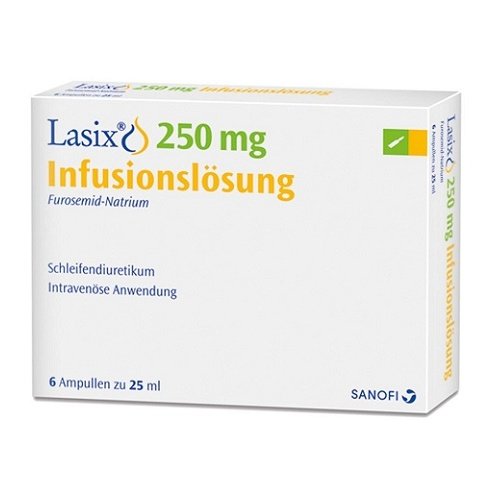
Lasix (Furosemide): Prescription, Safety, and Key Facts for Use in the United States
Can you obtain Lasix (Furosemide) without a prescription in the United States? No: Lasix is classified as a prescription-only medication by the U.S. Food and Drug Administration (FDA). Purchasing or using Lasix without a valid prescription is illegal and potentially unsafe. Only licensed healthcare providers can prescribe Lasix following a clinical evaluation.
| Key Feature | Details (United States) |
|---|---|
| Active Ingredient | Furosemide |
| Therapeutic Use | Edema (fluid retention), High Blood Pressure (as adjunct) |
| Prescription Status | Prescription Only (Rx); not available OTC |
| Onset of Action | Oral: ~1 hour; IV: within 5 minutes |
| Peak Effect | Oral: 1–2 hours; IV: 30 minutes |
| Duration | 4–6 hours (oral); 2 hours (IV) |
| Main Contraindication | Severe electrolyte depletion, anuria, known allergy to sulfonamides |
| Common Side Effects | Low potassium, dehydration, hypotension |
| Legal Purchase | U.S.-licensed pharmacy with valid prescription only |
What is Lasix and When is it Prescribed in the United States?
Lasix (active ingredient: Furosemide) is a loop diuretic, commonly called a “water pill.” In the United States, it is most often prescribed to treat edema (fluid retention) stemming from congestive heart failure, liver disease, kidney dysfunction, or nephrotic syndrome. Lasix is also used as an adjunct in the management of hypertension (high blood pressure) when other medications are insufficient.
According to FDA-approved labeling, Lasix is indicated for adults and children, but always under medical supervision.
Lasix is not a first-line blood pressure medication, nor is it suitable for weight loss or general swelling without a diagnosed cause. Attempts to use it for off-label purposes, especially without physician involvement, are dangerous and may lead to serious complications.
How Does Lasix Work: In-Depth Mechanism of Action
- Pharmacological Target:
- Lasix acts directly on the Na+-K+-2Cl– symporter in the thick ascending limb of the loop of Henle (in the kidney). By inhibiting this transporter, Lasix blocks sodium and chloride reabsorption, forcing the body to excrete more sodium, chloride, water, potassium, calcium, and magnesium into the urine.
- Biochemical Pathway:
- As sodium and chloride are lost, water follows by osmosis, resulting in increased urine output (diuresis) and rapid reduction in blood volume and tissue swelling.
- Systemic Effect:
- This leads to a decrease in preload (the volume of blood entering the heart) and, secondarily, may lower blood pressure. Unlike many antihypertensives, Lasix’s effect depends on adequate kidney function and the presence of excess fluid.
Metaphor: Think of the kidney as a water filtration plant. Lasix is like disabling a key pump that normally recycles water and salts. This forces the “plant” to dump much more water down the drain.
Myth vs Reality
Myth: Lasix works equally well in everyone.
Reality: Its effectiveness is greatly reduced in patients with severe renal failure and is not intended for use where urine production is absent (anuria).
Recent clinical studies (2023–2024) confirm Lasix remains the standard of care for acute decompensated heart failure in the United States, with >80% of hospitalizations involving loop diuretics for symptom relief (PubMed).
Expert Commentary from doctor
In my clinical practice, I’ve seen many patients expect Lasix to be a quick fix for all types of swelling. The truth is, Lasix works best when there’s true fluid overload due to heart, liver, or kidney disease — it’s not a solution for “puffy ankles” after a salty meal. I often remind patients that using Lasix without adequate blood monitoring can be risky. The most frequent problem I encounter is potassium depletion, which can lead to muscle cramps or even heart rhythm disturbances. If you’re prescribed Lasix, regular lab checks are not optional—they are essential for your safety. Another common mistake is missing doses and then “doubling up” the next day, which can cause dehydration or dangerously low blood pressure. Always follow your provider’s dosing instructions and ask questions if you’re unsure.
How Should Lasix Be Taken? Dosage, Timing, and Duration
| Indication | Typical Adult Starting Dose | Maximum Dose (per day) | Timing |
|---|---|---|---|
| Edema (oral) | 20–40 mg once daily | 600 mg | Morning (to avoid nocturia) |
| Acute pulmonary edema (IV/IM) | 40–80 mg IV once | Max 200 mg IV bolus | Immediate effect |
| Pediatric dosing | 1–2 mg/kg/dose | 6 mg/kg/day | As directed |
| Hypertension (adjunct) | 20–80 mg daily | As per above | Morning |
- Peak Effect: Occurs within 1–2 hours (oral), or 30 minutes (IV).
- Duration: 4–6 hours (oral), about 2 hours (IV).
- Tablet splitting: Most standard Lasix tablets (20 mg, 40 mg) can be split, but always check with your pharmacist; some extended-release or coated versions must NOT be split.
- Dose adjustments: Required for elderly, those with liver or kidney impairment, or co-administration with other diuretics.
- Never exceed your prescribed dose. High doses increase the risk of hearing loss (ototoxicity) and severe electrolyte imbalance.
Note: Always take Lasix in the morning or early afternoon to minimize nighttime urination (nocturia), unless instructed otherwise by your provider.
Does Food, Drink, or Lifestyle Affect Lasix?
- With Food:
- Food may delay the absorption of Lasix orally by up to 60 minutes, but does not significantly affect the total amount absorbed. For fastest effect, take on an empty stomach, unless sensitive to stomach upset.
- Alcohol:
- Strict Caution! Combining Lasix with alcohol increases the risk of low blood pressure, dehydration, and fainting. There is no universally “safe” amount; if you must drink, limit to ≤1 standard drink and monitor for dizziness or weakness.
- Grapefruit Juice:
- No significant interaction is documented between Lasix and grapefruit juice, unlike with some other medications. Still, moderation is advised.
- Lifestyle:
- High-salt diets reduce the effectiveness of Lasix. Regular exercise and salt moderation enhance results.
In summary: Take Lasix with a full glass of water, avoid alcohol, and maintain a moderate-sodium diet. If you experience excessive thirst or muscle cramps, inform your doctor promptly.
Who Should Never Use Lasix? Absolute and Relative Contraindications
| Type | Condition / Drug | Explanation |
|---|---|---|
| Absolute | Anuria (no urine production) | Lasix is ineffective and unsafe if the kidneys cannot produce urine. |
| Absolute | Known allergy to furosemide or sulfonamides | Risk of severe allergic reaction. |
| Absolute | Severe electrolyte depletion (hypokalemia, hyponatremia) | Lasix can worsen critical electrolyte imbalances, causing arrhythmias or confusion. |
| Absolute | Hepatic coma / severe liver failure | Increased risk of encephalopathy. |
| Relative | Severe hypotension | Can cause dangerously low blood pressure. |
| Relative | Gout | May elevate uric acid, triggering attacks. |
| Relative | Diabetes (uncontrolled) | May increase blood sugar levels. |
| Drug-Drug | Aminoglycoside antibiotics (e.g., gentamicin) | Combining increases risk of hearing damage (ototoxicity). |
| Drug-Drug | NSAIDs (ibuprofen, naproxen) | Can reduce diuretic effect and worsen kidney function. |
- After a recent heart attack: Use only with strict medical supervision, typically after stabilization.
- During pregnancy or lactation: Only if the benefit outweighs risk, and under specialist care.
What Side Effects Are Most Common with Lasix?
| Frequency | Side Effect | Mechanism / Impact |
|---|---|---|
| Very Common (>1 in 10 patients) |
Increased urination, low potassium (hypokalemia), dehydration | Loss of electrolytes and water through kidneys |
| Common (1–10%) |
Low sodium (hyponatremia), low magnesium, muscle cramps, dizziness | Electrolyte loss, volume contraction |
| Uncommon (0.1–1%) |
Increased blood sugar (hyperglycemia), gout attack | Altered metabolism, uric acid retention |
| Rare (<0.1%) |
Hearing impairment (ototoxicity), skin rash, pancreatitis | High dose or rapid IV use, allergic reactions |
| Very Rare | Severe allergic reaction (anaphylaxis), severe hypotension, kidney failure | Idiosyncratic or dose-dependent |
If you experience: Confusion, severe muscle cramps, fainting, hearing changes, or a rash—stop Lasix and seek immediate medical attention. For milder symptoms, contact your healthcare provider for advice.
Never adjust your dose without consulting your doctor.
Common Patient Mistakes Observed by doctor
- Doubling the dose after a missed pill: This increases the risk of dehydration and sudden drops in blood pressure. Tip: If you miss a dose, take it as soon as you remember unless it’s close to the next dose—then skip and resume your schedule.
- Ignoring potassium supplementation: Lasix commonly lowers potassium. Skipping supplements or not eating potassium-rich foods can lead to dangerous arrhythmias. Tip: Always follow your provider’s potassium recommendations.
- Taking at night: Leads to frequent urination during sleep and falls, especially in older adults. Tip: Take Lasix in the morning, unless otherwise advised.
- Assuming Lasix is a weight-loss drug: The initial weight loss is water, not fat. Misuse can cause severe dehydration. Tip: Never use Lasix for cosmetic weight loss.
- Not reporting muscle cramps or weakness: These may signal dangerously low electrolytes. Tip: Report symptoms promptly.
- Self-medicating with over-the-counter NSAIDs: NSAIDs blunt Lasix’s effect and may harm kidney function, especially in older adults.
Lasix vs. Alternatives: How Does It Compare?
| Drug | Typical Dose (mg) | Onset (oral) | Duration (oral) | Side Effects | Approx. Price (USD) | Unique Features |
|---|---|---|---|---|---|---|
| Lasix (Furosemide) | 20–80 | ~1 hour | 4–6 hrs | Low potassium, dehydration, ototoxicity (rare) | $0.08–$0.20 per tablet (generic) | Rapid action. High ceiling effect. Widely used in acute settings. |
| Bumex (Bumetanide) | 0.5–2 | 30–60 min | 4 hrs | Similar to Lasix, but potency 40x higher per mg | $0.35–$0.90 per tablet (generic) | Smaller dose, useful for resistant edema |
| Demadex (Torsemide) | 5–20 | 1–2 hours | 12–16 hrs | Similar profile, less hypokalemia | $0.22–$0.70 per tablet (generic) | Longer duration, once-daily dosing |
| Hydrochlorothiazide (Thiazide) | 12.5–50 | 2 hrs | 6–12 hrs | Less potent, risk of low sodium | $0.03–$0.15 per tablet | Preferred for mild hypertension |
- Lasix vs. Bumex/Torsemide: Lasix is cheaper and more familiar to U.S. providers, but needs more frequent dosing than Torsemide. Bumex is preferred if Lasix resistance develops.
- Lasix vs. Thiazides: Thiazides are usually the first choice for mild hypertension. Lasix is reserved for significant edema or when thiazides are ineffective.
- Price context: All listed prices are U.S. retail average for 2026 from major pharmacy chains.
Questions Frequently Asked to doctor
- 1. Can Lasix cause permanent kidney damage?
- Used correctly and with regular monitoring, Lasix does not typically cause permanent kidney injury. However, repeated overdosing, severe dehydration, or mixing with other nephrotoxic drugs can cause acute kidney failure. Always report unusual fatigue, swelling, or a drop in urine output.
- 2. What if I accidentally take two doses?
- If you take an extra dose and feel well, increase fluid intake and monitor for dizziness. If you experience fainting, confusion, or cannot keep fluids down, contact your doctor or local emergency services.
- 3. Is Lasix safe for long-term use?
- Yes, but only with regular lab monitoring (electrolytes, kidney function). Chronic use can lead to potassium and magnesium loss, requiring supplements or dietary changes. Dose may need adjustment over time.
- 4. Can I drink alcohol while taking Lasix?
- Mixing alcohol with Lasix increases risk of hypotension and dehydration. If you do drink, keep it minimal and avoid operating vehicles. Ideally, consult your doctor before combining the two.
- 5. Does Lasix affect the ability to drive?
- Some patients experience dizziness or lightheadedness, especially when starting therapy or after dose increases. If you feel unsteady, avoid driving or using heavy machinery until effects are clear.
- 6. What happens if I stop Lasix suddenly?
- For most, stopping Lasix will cause fluid to re-accumulate. In heart or kidney failure, this may be dangerous. Always taper under medical supervision.
- 7. Are there natural alternatives to Lasix?
- No herbal or “natural” remedy has been proven to safely and reliably reduce fluid overload as Lasix does. If you have edema, seek medical advice before trying supplements, as some may worsen your condition.
Key Characteristics Table: Lasix at a Glance
| Parameter | Value |
| Active Ingredient | Furosemide |
| Available Forms | Tablets (20 mg, 40 mg, 80 mg), Oral Solution, IV/IM Injection |
| Tmax (Peak Blood Level) | 1–2 hours (oral), 30 mins (IV) |
| Half-Life | 1–2 hours (normal kidney function) |
| Metabolism | Partial hepatic (liver), mainly renal excretion |
| Pregnancy Category | C (use only if benefit outweighs risk) |
| Generic Available? | Yes |
| Price Range (2026, U.S.) | $0.08–$0.25 per tablet (generic retail) |
| Requires Prescription? | Yes |
| Storage | Room temperature (68°F–77°F); protect from moisture |
How to Obtain Lasix Legally in the United States: Step-by-Step Guide
- Step 1: Clinical Evaluation
Schedule an appointment (in-person or via telemedicine) with a U.S.-licensed healthcare provider. Discuss your symptoms and medical history. If needed, tests (blood, urine) will be ordered. - Step 2: Prescription Issuance
Once Lasix is deemed appropriate, the provider writes an electronic or paper prescription. This may be sent directly to a pharmacy of your choice. - Step 3: Pharmacy Fulfillment
Take your prescription to a U.S.-licensed pharmacy (e.g., CVS, Walgreens, local independent). Show identification if required. - Step 4: Medication Counseling
The pharmacist will provide usage instructions, potential interactions, and a printed patient information leaflet. - Step 5: Ongoing Monitoring
You’ll need regular follow-up, usually every 2–6 months, to monitor labs and check for side effects.
Note: In the United States, it is illegal and unsafe to purchase Lasix from unverified online sources or without a prescription. Many telemedicine services (e.g., Teladoc, Amwell) offer legitimate online consultations for prescription renewals.
Legality and Safety: Buying Lasix Online in the United States
- Legal purchase: Only from pharmacies certified by the U.S. National Association of Boards of Pharmacy (NABP). Look for the “VIPPS” or “.pharmacy” credential.
- Illegal/unsafe sources: Websites offering Lasix “without prescription” or at below-market prices often sell counterfeit or contaminated products.
- Consequences: Importing prescription drugs from abroad (without FDA approval) can result in customs seizure, fines, or criminal prosecution.
- Why the prescription? It protects you by ensuring a medical evaluation, correct dose, and detection of possible drug interactions or allergies.
Bottom line: If a website does not require a valid U.S. prescription, it is not operating legally and may put your health at risk.
How to Spot Counterfeit or Unsafe Lasix in the United States
- Examine packaging: Authentic Lasix (brand or generic) is dispensed in tamper-evident blister packs or prescription bottles, with clear labeling, batch number, and pharmacy details.
- Check tablet appearance: Genuine Lasix tablets are white, round, and may bear “Lasix” or “Furosemide” with a strength engraving (e.g., “20”, “40”).
- Look for verification features: Many U.S. manufacturers incorporate QR codes or holograms on boxes or informational inserts. Scan QR codes with your smartphone.
- Suspiciously low prices: Prices far below U.S. pharmacy averages are a red flag for counterfeiting or subpar products.
- Pharmacy accreditation: Always use pharmacies listed in the NABP database.
Generics vs. Original: Generic furosemide is FDA-approved to be therapeutically equivalent to Lasix. Excipients (inactive ingredients) may differ, but the active drug is identical. Allergies to fillers are rare but can occur—discuss with your pharmacist if you have known sensitivities.
How Is Lasix Metabolized and Eliminated?
- Absorption: Oral Lasix is rapidly absorbed, with peak levels in 1–2 hours. Food delays but does not reduce total absorption.
- Distribution: Highly bound to plasma proteins (~95%), so displacement interactions possible with other drugs.
- Metabolism: Only 10–20% metabolized by the liver; the rest is excreted unchanged via urine.
- Elimination: Kidneys are the major route; impaired function slows elimination and prolongs effect.
- Half-life (T1/2): About 1–2 hours in healthy adults, up to 9 hours in severe kidney disease.
Clinical insight: Patients with chronic kidney or liver disease may need lower doses and more frequent laboratory monitoring.
Lasix in Special Populations: Elderly, Children, Pregnancy
- Elderly: More susceptible to dehydration, electrolyte disturbances, and falls. Start at lower doses, monitor blood pressure and labs closely.
- Children: Dose based on weight. Indications and monitoring are similar to adults but require pediatric specialist oversight.
- Pregnancy / Breastfeeding: Category C. Use only if benefit outweighs potential fetal risk; excreted in breast milk—monitor infant for dehydration.
- Ability to drive: Dizziness or fainting may impair ability to operate machinery, especially when starting or adjusting dose.
- Fertility: No direct evidence of fertility impairment, but severe electrolyte imbalance may affect reproductive health.
Original Lasix vs. Generic Furosemide: Is There a Difference?
- FDA approval: All generic furosemide products in the United States are required to meet strict bioequivalence standards with Lasix.
- Inactive ingredients: Generics may use different fillers, colorants, or binders. Allergic reactions are rare but possible.
- Price advantage: Generics are often 2–5 times less expensive than the brand name, with no difference in clinical effect.
- Appearance: Tablet size/shape may vary, but drug strength and effect are the same.
Bottom line: For most patients, generic furosemide is equally effective and safe as brand-name Lasix. Discuss any concerns with your pharmacist.
Compatibility Check: Lasix and Other Products
| Product/Drug | Can It Be Combined? | Possible Consequences |
|---|---|---|
| Aspirin (low dose) | Yes, with monitoring | Monitor for kidney impact, especially in elderly |
| Nitroglycerin | With caution | May potentiate hypotension; close supervision |
| Potassium supplements | Yes | Often necessary to prevent hypokalemia |
| NSAIDs (ibuprofen, naproxen) | Preferably avoid | Blunts diuretic effect; can impair kidney function |
| ACE inhibitors / ARBs | Yes | Monitor for low blood pressure, renal function |
| Alcohol | Preferably avoid | Increased risk of dehydration, hypotension |
| Antibiotics (aminoglycosides) | NO | Raises risk of hearing loss (ototoxicity) |
What to Do in Case of Lasix Overdose: Step-by-Step
- Stop taking Lasix immediately.
- Call 911 or your local emergency services in the United States.
- Provide the responder with details: exact dose taken, time of ingestion, your age, weight, and any symptoms (fainting, confusion, vomiting, muscle cramps).
- Do not attempt to self-treat: Ingesting extra fluids may worsen electrolyte imbalances.
- Bring the medication packaging with you to the hospital.
Symptoms of overdose: Profound weakness, confusion, severe dehydration, low blood pressure, arrhythmias, or collapse. Do not wait for symptoms to escalate—seek help promptly.
Dealing with Edema: Psychological Support and Next Steps
Edema and the need for diuretic therapy like Lasix are common—many people in the United States live full lives while managing fluid retention. It’s normal to feel anxious about new medications or diagnoses. Don’t hesitate to ask your doctor, pharmacist, or a mental health professional questions. Open communication with family and support groups can also ease the burden of chronic conditions.
What Should I Do If Lasix Does Not Work?
- First, don’t increase your dose without medical advice. Failure to respond may signal underlying causes such as high dietary salt, kidney disease progression, or drug interactions (e.g., NSAIDs).
- Contact your healthcare provider promptly. They may adjust your medication, order tests, or consider alternative diuretics.
- Occasionally, hospital admission is needed for intravenous diuretics or additional therapy.
Professional Opinion of doctor
In my experience as a physician, Lasix remains a cornerstone therapy for patients with heart failure, advanced liver disease, or chronic kidney conditions where fluid overload threatens quality of life or survival. The greatest benefit is realized in cases of clear excess fluid, supported by physical examination and laboratory evidence. However, Lasix is not a cure for the underlying disease—it should be seen as part of a comprehensive management plan that includes dietary control, physical activity, and regular follow-up.
Risks include electrolyte imbalance, dehydration, and in rare cases, hearing loss or kidney injury—especially when the medication is used at high doses or without supervision. For patients whose edema does not respond to Lasix, or those with frequent side effects, alternatives such as bumetanide or torsemide may offer improved outcomes. In all cases, close monitoring and individualized care are the keys to safety and efficacy.
FAQ: Lasix in the United States
- Can Lasix be used daily?
- Yes, Lasix is often taken daily for chronic conditions, but only under regular medical supervision with ongoing lab monitoring.
- Is a prescription required for Lasix in the United States?
- Yes, Lasix is prescription-only. It is illegal and unsafe to obtain it without a valid prescription from a U.S. healthcare provider.
- How quickly does Lasix work?
- Lasix usually starts working within one hour orally, or within five minutes if given intravenously.
- What foods should I eat while taking Lasix?
- Emphasize potassium-rich foods (bananas, oranges, spinach) unless your doctor tells you otherwise; limit salt intake for best results.
- Can Lasix be combined with other blood pressure medications?
- Yes, Lasix is often used with other antihypertensives, but close monitoring is needed to avoid low blood pressure.
- What is the price of Lasix in the United States?
- Generic furosemide typically costs $0.08–$0.25 per tablet depending on the pharmacy and insurance coverage.
- Is it safe to use Lasix during pregnancy?
- Only if deemed necessary by your provider; potential risks exist, so use is limited to specific cases.
- How do I know if my Lasix is authentic?
- Only purchase from accredited U.S. pharmacies; check packaging for proper labeling, QR codes, and batch numbers.
References
- U.S. Food and Drug Administration (FDA). https://www.fda.gov/ (Accessed 2026)
- National Institutes of Health, MedlinePlus. https://medlineplus.gov/druginfo/meds/a682858.html
- Mayo Clinic. Furosemide (Oral Route). https://www.mayoclinic.org/drugs-supplements/furosemide-oral-route/proper-use/drg-20071281
- U.S. National Library of Medicine, PubMed. https://pubmed.ncbi.nlm.nih.gov/
- National Association of Boards of Pharmacy (NABP). https://nabp.pharmacy/
- UpToDate. Furosemide: Drug Information. https://www.uptodate.com/
- ClinicalTrials.gov. https://clinicaltrials.gov/
- American Heart Association. https://www.heart.org/