- Home/
- Buy Propecia Online in the United States – Fast and Secure Ordering
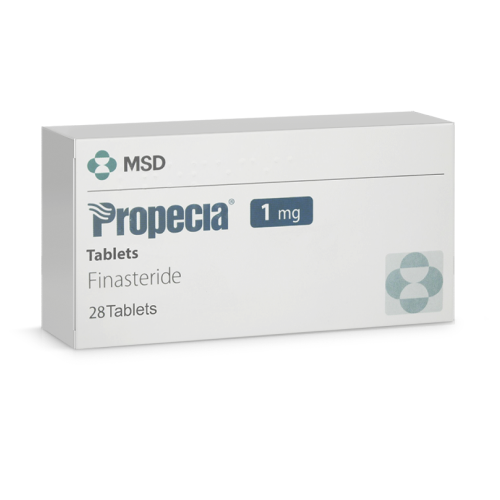
| Brand Name | Propecia |
|---|---|
| Main Component | Finasteride |
| Intended Use | Male pattern hair loss (androgenetic alopecia) |
| Pill Strengths | 1 mg |
| How Fast You May Notice Effects | Usually within 3 to 6 months |
| Effect Lasts For | Continues as long as medication is taken |
| How to Take | Once daily, with or without food |
| Prescription Required in the US? | Yes |
Propecia: Key Facts, Practical Guidance, and Real-World Use in the United States
Propecia is a prescription drug containing finasteride, approved in the United States for treating male pattern hair loss. It is regulated by the U.S. Food and Drug Administration (FDA) and legally available through licensed pharmacies nationwide. This guide explains what Propecia offers, who it benefits, and how to make an informed decision about using it for hair loss.
Hair loss: How common is it, and can it be treated?
Male pattern hair loss, known medically as androgenetic alopecia, is not just a cosmetic concern—it affects millions of men’s confidence and daily life. According to the American Academy of Dermatology, about 50 million men in the United States experience some degree of male pattern baldness (American Academy of Dermatology, 2022). The condition tends to progress gradually over years, but effective treatments are available that can slow or partially reverse hair thinning. You are not alone, and evidence-based options exist for those seeking to address hair loss.
How Propecia addresses hair loss: Mechanism and what to expect
Propecia works by targeting one of the root biological drivers of male pattern baldness: the hormone dihydrotestosterone (DHT). In men genetically predisposed to androgenetic alopecia, DHT shrinks hair follicles, leading to thinner hair and eventual loss. Finasteride, the active ingredient in Propecia, blocks the enzyme 5-alpha-reductase type II, which is responsible for converting testosterone into DHT. By lowering DHT levels in the scalp, Propecia helps slow hair loss and can encourage regrowth in areas that have not gone completely bald.
For most men, the practical result is a reduction in hair shedding within a few months, and possible regrowth or thickening of existing hair with continued use. The benefit persists only while the medication is taken. If Propecia is stopped, DHT returns to previous levels and hair loss resumes.
Which men benefit most from Propecia? Real-life scenarios
| Scenario | Is Propecia Appropriate? | Reason |
|---|---|---|
| Younger man (18–40) with recent thinning at the crown or hairline | Yes | Early use yields the best chance of preserving and regrowing hair because follicles are not yet dormant. |
| Middle-aged man with moderate hair loss but visible scalp | Usually | Can slow progression and sometimes improve hair density; results vary depending on how advanced loss is. |
| Man with longstanding complete baldness (shiny scalp, no visible hair) | No | Once follicles are fully inactive, Propecia is unlikely to restore growth; other options may be considered. |
| Men worried about sexual side effects, or with certain health conditions | Consult doctor first | Some individuals have higher risk of side effects or interactions; tailored advice is essential. |
If your pattern of hair loss is recent, especially at the crown or along the hairline, Propecia is most likely to help. For those with significant, longstanding baldness, surgical treatments or wigs may be more effective than medication. Whenever uncertainties about your health history or other medications exist, discussing with a healthcare provider is advised.
How to use Propecia in real life: Application, missed doses, and what to expect
- Taking Propecia: The standard regimen is one 1 mg tablet daily, taken with or without food, at any convenient time.
- If you miss a dose: Skip it and continue with your usual schedule—do not double up. Missing one dose does not affect long-term results.
- When it works: Most users see less shedding within three months, with the full effect after six to twelve months of continuous use.
- If you see no improvement after 12 months: Speak to your doctor. Some men do not respond and may consider alternatives.
- Stopping Propecia: If you discontinue, hair loss typically resumes within months—regained hair may be lost again.
- Storage: Store at room temperature, away from moisture, and keep out of reach of children.
Routine blood tests are not required for most users. However, regular follow-up with your healthcare provider is recommended, especially if you have other medical conditions or are taking additional medications.
Who should not use Propecia?
- Women and children: Propecia is not indicated for use in women or children because the safety profile and effects have not been established, and exposure in pregnancy can harm a male fetus.
- Men with known hypersensitivity to finasteride: Risk of severe allergic reactions.
- Men taking certain prostate medications: Those using other 5-alpha-reductase inhibitors should avoid combining therapies, as risks and benefits differ.
- History of liver disease: Finasteride is metabolized by the liver; individuals with significant hepatic impairment should consult their physician before use to avoid accumulation and adverse effects.
For all other chronic or complex conditions, including those involving hormones or prostate health, a tailored medical evaluation is advised before starting Propecia.
What side effects can Propecia cause, and how common are they?
- Most often reported: Reduced libido, difficulty achieving erection, or changes in ejaculation—reported in less than 2% of users. These effects usually resolve upon discontinuation.
- Less common: Breast tenderness or enlargement, rash, or mood changes. Frequency is low, but consult your doctor if these occur.
- Rare but serious: Signs of allergic reaction such as swelling of lips/face, difficulty breathing, or skin rash. These require immediate medical attention—call 911 or your local emergency services if you experience these symptoms.
Most users experience no significant side effects. If sexual or mood-related changes persist or become bothersome, a healthcare provider can discuss options, including dose adjustments or discontinuation.
Can Propecia interact with other medications?
Finasteride’s interaction risk is low, as it does not significantly affect most drug-metabolizing enzymes. However, combining it with other 5-alpha-reductase inhibitors (used for prostate conditions) may increase the risk of side effects without added benefit. If you are on other prescription medicines, especially those affecting hormones or the liver, inform your provider before starting Propecia.
How does Propecia compare to other hair loss treatments?
| Treatment | Type | Main Advantage | Main Limitation |
|---|---|---|---|
| Propecia (finasteride) | Oral prescription tablet | Targets hormone cause, effective in most men with early-to-moderate loss | Not suitable for women; ongoing use needed; possible sexual side effects |
| Minoxidil | Topical (over-the-counter) | Usable by both sexes; no hormonal effects | Less effective for advanced loss; requires application twice daily |
| Hair transplant surgery | Procedure performed by specialist | Permanent solution for suitable candidates | Expensive, invasive, not solution for ongoing thinning |
| Wigs, hairpieces | Non-medical cosmetic | Instant result, no medical risks | No effect on actual hair growth |
Propecia is the only daily oral prescription drug approved by the FDA for male pattern hair loss. It is most effective for men in the early stages of thinning. Minoxidil can be used alongside or instead of Propecia, especially for those wanting a non-hormonal option. Surgical and cosmetic options are available for those with more advanced or unresponsive hair loss. Your doctor can help you weigh these options based on your goals and health profile.
What it costs in United States: Full cost breakdown
| Cost item | Amount | Note |
|---|---|---|
| Doctor consultation (in-person) | $80–$250 | May be lower via telehealth or covered by insurance |
| Prescription | Included with consultation (or up to $25 separately) | Required for legal purchase in US pharmacies |
| Propecia (1 mg, 30 tablets) | $70–$120 | Brand-name; generics (finasteride) start at $10/month |
| Delivery (online pharmacy) | $5–$20 | Varies by provider and shipping speed |
| Total | $95–$395 | First month, including all above (lower end: generic + telehealth; higher end: brand + in-person visit) |
Most men can minimize costs by opting for generic finasteride, which is equally effective and widely available. If you choose to buy online, ensure the pharmacy is licensed in the US and requires a prescription. Beware of non-FDA approved sources offering unusually low prices—they may be selling counterfeit or substandard medication.
Questions men still ask about Propecia—and honest answers
Q: Can Propecia be used just for a few months to “jump start” hair regrowth?
A: No—its effects only last as long as you take it. If you discontinue, hair loss resumes, and any regrowth is typically lost within a year.
Q: Is there a risk of permanent side effects?
A: The vast majority of men see side effects resolve after stopping the drug. There are rare reports of persistent symptoms, but clinical evidence is limited and cause is debated. If you experience side effects, discuss with your prescriber about continuing, adjusting the dose, or stopping the medication.
Q: Will it work if hair loss is caused by stress or health conditions other than male pattern baldness?
A: No—Propecia is only effective for androgenetic alopecia. If your hair loss has other causes (such as thyroid disease, severe illness, or medication), treating the underlying issue is necessary.
If you have additional concerns, especially about safety with your other medications or eligibility, an appointment with a board-certified dermatologist or hair loss specialist in the US will provide personalized guidance.