- Home/
- Buy Doxycycline Online in the United States Safely and Easily
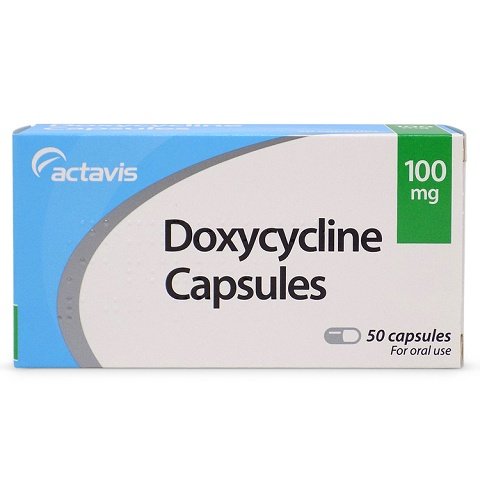
| Medication Name | Doxycycline |
|---|---|
| Main Ingredient | Doxycycline hyclate |
| Primary Use | Bacterial infection treatment (Antibiotic) |
| Strength Variants | 50 mg, 75 mg, 100 mg, 150 mg tablets/capsules; oral suspension |
| How quickly it works | Initial improvement often within 24–48 hours |
| How long the effect lasts | Up to 24 hours per dose; full course typically 7–14 days |
| Typical Dosing | Once or twice daily as prescribed; depends on infection type |
| Prescription Status (U.S.) | Requires prescription from a licensed medical provider |
| Average retail price (U.S.) | Approximately $15–$60 per course (varies by dosage/generic) |
Doxycycline: A Complete Guide for Antibiotic Use in the United States
Doxycycline is a prescription oral antibiotic widely used to manage various bacterial infections, including respiratory, urinary, and skin conditions. It is available from U.S. pharmacies after consultation with a healthcare provider, and is regulated for safety and effectiveness by the U.S. Food and Drug Administration (FDA). This guide will help you understand when and how Doxycycline is appropriate, what alternatives exist, what to expect during treatment, and how to make an informed decision.
When a Bacterial Infection Disrupts Life: Understanding the Scope
Facing a bacterial infection can be stressful and disruptive, especially when symptoms interfere with work, school, or daily activities. According to the Centers for Disease Control and Prevention (CDC), there are over 2.8 million antibiotic-resistant infections annually in the United States alone, with bacterial infections remaining a leading cause of outpatient medical visits (CDC, 2022). Knowing that millions of Americans face bacterial illnesses every year—often treatable with antibiotics like Doxycycline—can help you see your situation as common and manageable. Prompt treatment is not just about comfort; it can prevent complications and the spread of infection to others.
How Doxycycline Acts: The Biological and Practical Impact
Doxycycline works by inhibiting the ability of bacteria to produce proteins essential for their growth and replication. In physiological terms, it binds to the bacterial ribosome, blocking the machinery needed to make new proteins. For you, this means that Doxycycline targets the root cause of your infection—not just the symptoms. Most people begin to notice reduced fever, less pain, or improving skin within 24 to 48 hours of starting the medication, though full resolution takes completing the prescribed course. Importantly, Doxycycline does not affect viruses, so it will not help with colds or flu, but it is highly effective for many respiratory, urinary, and skin infections, as well as tick-borne diseases like Lyme disease and acne when caused by susceptible bacteria.
Which Option Fits My Situation? Personalizing Doxycycline Use
| Scenario | Is Doxycycline Appropriate? | Why (or Why Not)? |
|---|---|---|
| Diagnosed with a bacterial respiratory infection and able to swallow pills | Yes | Doxycycline is commonly prescribed for pneumonia, bronchitis, and sinusitis caused by susceptible bacteria, and is effective in oral tablet or capsule form. |
| Allergic to penicillins or cephalosporins | Often Yes | Doxycycline belongs to the tetracycline class, so it’s a frequent alternative when other antibiotics may cause allergic reactions. Always confirm with your provider. |
| Pregnant or breastfeeding | No | Doxycycline can affect fetal bone and tooth development, and is generally avoided during pregnancy and lactation, except in rare cases where benefits outweigh risks. |
| Seeking treatment for a viral infection (e.g., flu, common cold) | No | Doxycycline has no effect on viruses; its use in viral infections offers no benefit and may contribute to antibiotic resistance. |
| Teenager with moderate to severe acne | Yes, if prescribed | Doxycycline is often used for inflammatory acne not controlled by topical treatments, but long-term use will be decided by your dermatologist. |
| Severe liver or kidney disease | Caution / Sometimes No | Metabolism and excretion may be altered; your provider may select another antibiotic or adjust your dose. |
This table reflects common real-world scenarios. If your situation is not listed, a healthcare provider can individualize recommendations based on your medical history, other medications, and the nature of your infection.
Taking Doxycycline: Daily Realities and Troubleshooting
- Timing and Food: Doxycycline is usually taken once or twice daily, preferably with a full glass of water and sitting upright for at least 30 minutes to prevent stomach irritation. Some forms can be taken with food to reduce nausea, but calcium-rich foods (like dairy) or antacids may reduce absorption—space these at least 2 hours apart from your dose.
- Missed Dose: If you miss a dose, take it as soon as you remember unless it’s nearly time for your next one. Do not double up. Skipping doses lowers the effectiveness and may increase the risk of resistance.
- No Improvement: If you see no improvement after 72 hours or if symptoms worsen, contact your healthcare provider. This could indicate that the bacteria are resistant or that you need a different treatment.
- Sun Sensitivity: Doxycycline can increase your risk of sunburn. Use protective clothing and sunscreen, and avoid tanning beds.
- Alcohol and Other Substances: Moderate alcohol use does not typically interfere, but excessive intake is best avoided during treatment.
- What’s Normal vs. Warning Signs: Mild stomach upset, diarrhea, or headache can occur and are usually self-limited. Severe allergic reactions, unexplained rash, difficulty breathing, or persistent vomiting warrant medical attention.
Expert observation from an infectious disease specialist: “One of the most common reasons antibiotic therapy fails is incomplete courses—patients stop when they feel better. Always finish your prescribed duration, even if you feel fully recovered after a few days.”
When Not to Take Doxycycline: Contraindications Explained
- Pregnancy: Doxycycline is contraindicated because it can cause permanent discoloration of the baby’s teeth and influence bone growth.
- Children under 8 years: Not recommended due to the risk of tooth staining and effects on bone growth, unless no suitable alternatives exist.
- Known severe allergy to tetracyclines: Any history of serious allergic reaction to this antibiotic class precludes use, since the risk of repeat reaction is high.
- Severe liver impairment: The medication is processed in the liver, and accumulation can increase toxicity risk in advanced liver disease.
Contraindications must be discussed with your medical provider, as individual circumstances may affect the risk-benefit analysis.
Side Effects: What to Expect, When to Worry
- Common and Mild: Nausea, diarrhea, mild headache, or increased sun sensitivity. These often resolve without intervention.
- Occasional but Not Dangerous: Vaginal or oral thrush (yeast infections) may develop; consult your provider if persistent.
- Rare but Serious (Seek Urgent Care): Severe allergic reaction (swelling, difficulty breathing, hives), persistent vomiting, severe abdominal pain, or yellowing of the skin/eyes (possible liver involvement). If any of these occur, contact emergency services immediately—call 911 in the United States.
If you experience a serious reaction, such as difficulty breathing or collapse, use 911 or go to the nearest emergency room. The U.S. Poison Help line (1-800-222-1222) is also available for medication emergencies.
Medication Interactions and Their Consequences
Doxycycline interacts with several common medications and supplements:
- Antacids and Iron Supplements: Can reduce the absorption of doxycycline; take them at least 2 hours before or after your dose.
- Blood thinners (warfarin): Doxycycline may increase blood thinning—your doctor may need to adjust your dose and monitor more closely.
- Oral contraceptives: While the interaction is considered infrequent, it may theoretically reduce effectiveness. Use backup contraception if advised.
- Other antibiotics or medications: Always inform your provider of all prescriptions, over-the-counter drugs, and supplements you take to avoid negative interactions.
Any new symptom after starting doxycycline should be discussed with your provider to determine if a medication interaction is responsible.
Comparing Doxycycline and Its Alternatives: Is It the Best Choice?
| Antibiotic | When Preferred | Main Limitations |
|---|---|---|
| Doxycycline | Tick-borne diseases (Lyme, Rocky Mountain spotted fever), respiratory infections, chlamydia, MRSA skin infections, acne | Not for pregnant women, young children, or severe liver disease; increased sun sensitivity |
| Amoxicillin | Strep throat, middle ear infections, community-acquired pneumonia | Allergy risk in those sensitive to penicillins; not effective for some resistant bacteria |
| Azithromycin | Respiratory infections, some sexually transmitted infections, alternative for penicillin-allergic patients | Potential for heart rhythm changes; not preferred for certain tick-borne illnesses |
| Clindamycin | Serious skin and soft tissue infections, dental infections | Risk of severe diarrhea (C. difficile infection); not first line for most outpatient infections |
Doxycycline is a strong option for specific conditions—especially tick-borne illnesses and some resistant skin infections. It is not the automatic first choice for all infections. Your provider will weigh these factors, choosing the antibiotic most likely to work for your infection with the lowest risk of side effects or complications.
How Much Does Doxycycline Really Cost in the U.S.?
| Expense | Cost (USD) | Context |
|---|---|---|
| Telemedicine or office consultation | $50–$150 | Required for prescription; varies by provider and insurance |
| Prescription processing | $0–$25 | Some pharmacies or services charge a fee |
| Doxycycline (generic, 7–14 day course) | $15–$60 | Varies by pharmacy, dosage, insurance, and manufacturer |
| Home delivery (optional) | $0–$15 | Many pharmacies offer free standard shipping; express costs extra |
| Total cost | $65–$250 | From minimum (basic telemedicine + generic + free delivery) to maximum scenario (in-person visit, processing fee, higher dosage, express delivery) |
Most U.S. pharmacies require a valid prescription for Doxycycline. Some online services facilitate both the consultation and medication delivery. Generic doxycycline is widely available and affordable, although branded versions can cost more. If using insurance, your out-of-pocket costs may be lower; generic options often have the lowest co-payments.
What Remains Unanswered? Addressing the Final Concerns
Can I buy Doxycycline online legally in the United States? Yes, but only from licensed pharmacies or telehealth services that require a valid prescription from a licensed U.S. provider. While some websites may offer the drug without a prescription, this practice is illegal and carries risks, including counterfeit medications and lack of professional oversight. The FDA oversees the approval and regulation of Doxycycline, ensuring that products from authorized U.S. pharmacies meet standards for safety and quality.
What if I’m traveling or need the medication urgently? Many major U.S. pharmacy chains and telemedicine providers offer overnight or same-day shipping for antibiotics with a valid prescription. In-person urgent care clinics can also prescribe Doxycycline if deemed necessary.
Does finishing my course really matter? Yes. Completing your entire prescribed course, even if you feel better, is essential to fully eradicate the infection and prevent antibiotic resistance. If you have leftover medication from a previous illness, do not use it without a provider’s guidance.