- Home/
- Buy Antabuse Without Prescription in the United States Online
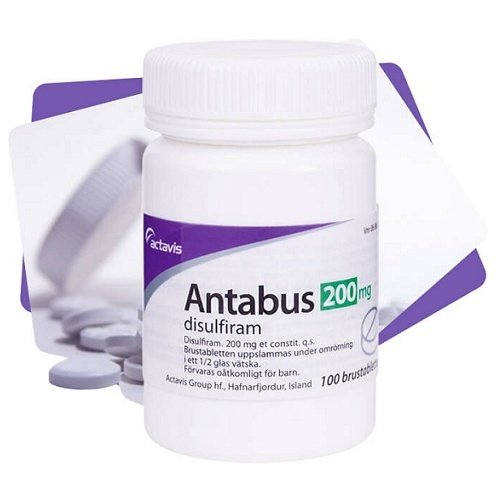
| Product Name | Antabuse |
|---|---|
| Main compound | Disulfiram |
| Intended use | Assists in the management of Alcohol Use Disorder |
| Strengths available | 250 mg, 500 mg tablets |
| How quickly it takes effect | Within 1–2 hours after taking a dose |
| How long its action lasts | Effects persist for up to 1–2 weeks after the last dose |
| How it is taken | Daily oral administration |
| Legal access in United States | Prescription only (FDA-regulated) |
| Estimated pharmacy price | About $60–$130/month (varies by pharmacy, insurance, and dosage) |
Antabuse: Pathway to Alcohol Recovery in the United States
Antabuse is a prescription medication designed to support individuals seeking to stop drinking by making alcohol consumption physically unpleasant. It is legally available in the United States for people diagnosed with alcohol dependence or Alcohol Use Disorder. Its unique mechanism creates a strong deterrent to drinking, and it is dispensed under the guidance of a healthcare provider.
Alcohol Dependence: A Recognized and Treatable Condition
Alcohol Use Disorder (AUD), commonly referred to as alcohol dependence, is a significant health issue in the United States and beyond. According to the Substance Abuse and Mental Health Services Administration (SAMHSA), 2022, approximately 29.5 million Americans aged 12 or older struggled with AUD in the past year. This is not a rare or isolated problem: it affects people across all ages, backgrounds, and professions. Importantly, effective treatments do exist—including medications like Antabuse—so recovery is possible.
How Antabuse Interrupts the Cycle: The Science and What You’ll Notice
Antabuse (Disulfiram) works by altering the way your body processes alcohol. When you consume alcohol, your body breaks it down in two steps: first into acetaldehyde, then into harmless acetic acid. Disulfiram blocks the enzyme (aldehyde dehydrogenase) responsible for this second step, causing acetaldehyde to build up rapidly if you drink. This leads to extremely unpleasant symptoms: facial flushing, nausea, headaches, rapid heartbeat, and in some cases, chest pain or difficulty breathing.
What this means for you: after taking Antabuse, drinking even small amounts of alcohol triggers these reactions—usually within 10–30 minutes. The discomfort acts as a powerful deterrent, breaking the habit loop. Importantly, the medication does not reduce cravings directly, but it makes the act of drinking so aversive that most people actively avoid alcohol. The deterrent effect can last up to two weeks after the last tablet, so accidental slips remain unlikely even if you miss a dose.
Is Antabuse Right for You? Real-Life Scenarios
| Your Situation | Should You Consider Antabuse? | Reasoning |
|---|---|---|
| You want a daily, clear-cut deterrent to drinking and can commit to supervised medication use | Yes, Antabuse may be appropriate | It is most effective when part of a structured recovery program, especially with family or medical supervision |
| You have a high risk of accidental alcohol exposure (e.g., alcohol in foods, perfumes, or medications) | Caution advised | Unintentional exposure can trigger severe reactions—careful monitoring and education are needed |
| You have significant heart, liver, or psychiatric conditions, or are currently intoxicated | No, Antabuse is not recommended | In these cases, the medication can cause serious health risks; alternatives or specialist supervision are necessary |
| You are looking for a treatment that reduces cravings directly | Consider alternatives | Other medications, such as naltrexone or acamprosate, may be more suitable for craving reduction |
If you see yourself in any of these scenarios, discuss your needs with a healthcare professional. An individualized plan—often including counseling and support groups—yields the best results.
Practicalities: Taking Antabuse in Everyday Life
- Daily schedule: Antabuse is typically taken once each morning, with or without food.
- Alcohol avoidance: You must avoid all forms of alcohol—including in sauces, cough syrups, and topical products—to prevent a reaction.
- If you miss a dose: Take it as soon as you remember, but do not double up. Missing a day will not immediately remove the deterrent effect.
- If you drink alcohol while on Antabuse: Expect a rapid and intense reaction. Seek medical help if symptoms are severe (e.g., chest pain, trouble breathing, severe vomiting).
- Normal effects: Mild fatigue or metallic taste in the mouth may occur and are usually temporary.
- When to contact your doctor: If you experience jaundice (yellowing of eyes/skin), dark urine, persistent vomiting, or confusion, contact your provider promptly.
- What if it doesn’t seem to work: This medication’s deterrent is physical, not psychological. If you continue to drink or feel no aversion, discuss this with your clinician—adjustments or a different treatment may be appropriate.
Family or support involvement can increase adherence and improve outcomes, as the medication is most effective when taken under some form of supervision.
Who Should Not Take Antabuse: Contraindications Explained
- Active liver disease: Disulfiram can be toxic to the liver, and those with pre-existing liver problems are at increased risk of severe liver injury.
- Major heart disease: The alcohol-Disulfiram reaction can strain the heart, making it unsafe for people with coronary artery disease or recent heart attack.
- Psychosis or a history of severe mental illness: The medication may worsen psychiatric symptoms.
- Pregnancy or breastfeeding: Not recommended because of insufficient safety data.
- Current intoxication or metronidazole use: Taking Antabuse when alcohol is present in the system, or alongside certain antibiotics (e.g., metronidazole), can lead to dangerous reactions.
Each of these situations heightens the risk of serious side effects or complications. A thorough health review by a prescribing doctor is mandatory prior to starting Antabuse.
What Side Effects Might Occur—and When to Get Help
- Common and often mild: Drowsiness, metallic or garlic-like aftertaste, headache, or mild skin rash. These often resolve as your body adjusts.
- Occasional, monitor closely: Visual disturbances, allergic skin reaction, decreased libido, or mild liver enzyme increases. If these persist or worsen, inform your healthcare provider.
- Rare but serious: Severe liver injury (jaundice, dark urine, abdominal pain), severe allergic reactions (swelling, difficulty breathing), or peripheral neuropathy (tingling, numbness).
If you experience severe chest pain, difficulty breathing, confusion, or loss of consciousness after taking Antabuse or consuming alcohol, seek emergency care immediately. In the United States, call 911 or contact the Poison Help Line at 1-800-222-1222 for urgent guidance.
Medication Interactions: What Not to Mix with Antabuse
- Alcohol-containing products: Even small amounts in foods, medicines (mouthwash, cough syrup), or cosmetics can trigger a reaction.
- Certain antibiotics: Especially metronidazole and tinidazole, which may cause psychotic reactions or confusion when combined with disulfiram.
- Phenytoin: Disulfiram can raise phenytoin levels, increasing risk of toxicity.
- Warfarin: The blood-thinning effect may be enhanced—close monitoring of INR is required.
- Other medications: Always inform your provider of all drugs and supplements you’re taking to ensure safety.
Careful coordination with your pharmacist and prescribing doctor reduces the risk of dangerous interactions. Never start, stop, or change a medication regimen without consulting your healthcare provider.
How Does Antabuse Compare to Other Alcohol Dependence Treatments?
| Medication | Main action | Best suited for | Limitations |
|---|---|---|---|
| Antabuse (Disulfiram) | Creates an aversive physical reaction to alcohol | People who want a clear deterrent and can avoid all alcohol sources | Does not reduce cravings; risk if alcohol is consumed accidentally; requires daily adherence |
| Naltrexone | Reduces the pleasure from drinking and curbs cravings | Individuals seeking craving reduction and less risk of severe reactions | Does not cause physical deterrent; may not suit people with liver disease |
| Acamprosate (Campral) | Helps stabilize brain chemistry to decrease cravings | Those with ongoing cravings after stopping alcohol, especially with liver concerns | Requires taking tablets 3 times daily; limited efficacy in some people |
| No medication (counseling/support alone) | Behavioral and social support without pharmacological aid | People preferring non-drug approaches or with medical reasons to avoid medications | Relapse risk may be higher without medication support |
Antabuse stands out for those who are committed to abstinence and benefit from an immediate, physical deterrent to drinking. Naltrexone and acamprosate are alternatives when cravings are the primary issue. The best choice depends on your health history, lifestyle, and motivation. Sometimes, a combination of medication and ongoing support is optimal.
What You Will Actually Pay: Full Cost Breakdown for Antabuse Treatment
| Cost item | Amount | Note |
|---|---|---|
| Initial doctor evaluation (in-person or telemedicine) | $75 – $200 | May be covered by insurance; required for prescription |
| Prescription fee (if not included in doctor visit) | $0 – $30 | Varies by provider; often bundled with consultation |
| Antabuse medication (30-day supply) | $60 – $130 | Price varies by pharmacy, insurance coverage, and dose |
| Standard delivery (if using online/mail-order pharmacy) | $0 – $15 | Some online pharmacies offer free delivery |
| Total (first month) | $135 – $375 | Includes all steps, insurance may reduce out-of-pocket cost |
Many insurance plans in the United States cover part or all of these costs, though coverage and copays differ. Some telemedicine services streamline the process by providing both the evaluation and prescription. Generic Disulfiram is widely available, reducing the overall price compared to brand-name Antabuse.
Last Remaining Questions: What About Confidentiality, Refills, and Regulator Oversight?
- Will my treatment be confidential? Yes—by federal law (including HIPAA), your medical information and prescription history are private. Online and in-person providers must adhere to strict privacy standards.
- Can I get Antabuse refills online? Many pharmacies offer online renewals or mail-order services, but you must have a valid prescription. Some telehealth platforms can facilitate refills after a brief consultation.
- Who ensures Antabuse’s safety in the U.S.? The Food and Drug Administration (FDA) regulates Antabuse’s approval, manufacturing, and safety monitoring. Only FDA-approved medications should be purchased from licensed U.S. pharmacies.
If you have further personal questions about using Antabuse for alcohol dependence, discuss them with a licensed healthcare provider. Every treatment plan should be tailored to your unique medical background and recovery goals.