


- Home/
- Buy Rybelsus Without Prescription in the United States Online
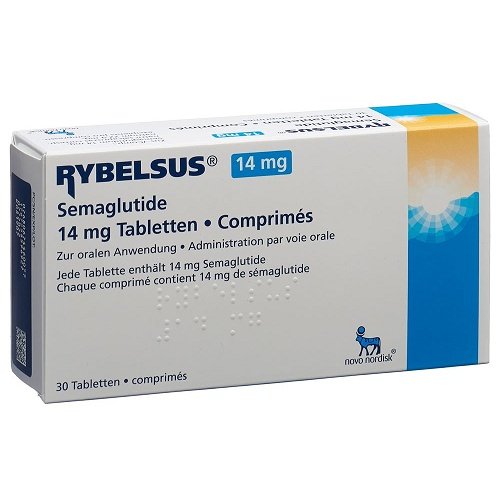
Rybelsus (Semaglutide) in the United States: Comprehensive Guide 2026
Key Facts at a Glance: Rybelsus in the US
- Active Ingredient: Semaglutide (oral formulation)
- Indication: Type 2 Diabetes Mellitus (adults)
- Prescription Requirement: Yes, prescription only in the US
- Approval: FDA-approved for Type 2 Diabetes (since 2019; updated 2024 guidance)
- Main Contraindication: Personal/family history of medullary thyroid carcinoma, Multiple Endocrine Neoplasia syndrome type 2 (MEN 2), severe GI disease
- Cost (2026): Approximately $900–$1,200 per 30-tablet box, varies by insurance and state
- Insurance Coverage: Covered by most US commercial plans and Medicare Part D (prior authorization may be required)
- Onset of Action: Modest glucose-lowering effect within 1–2 weeks; full effect typically seen by 8–12 weeks
- Generics: As of 2026, no FDA-approved generic semaglutide tablets
Can You Get Rybelsus Without a Prescription in the United States?
Direct Answer: It is illegal to obtain Rybelsus (semaglutide) without a valid prescription in the United States. Only purchase Rybelsus from licensed US pharmacies or through authorized telehealth services after a healthcare provider’s evaluation.
The FDA classifies Rybelsus as a prescription medication due to its risks, monitoring requirements, and possible interactions. Any website or seller offering semaglutide tablets without requiring a prescription is operating outside US law. Buying from such sources puts you at risk of receiving counterfeit or unsafe products, as well as potential legal consequences.
How Rybelsus Works: Scientific Insights & Simple Metaphors
Scientific Mechanism
Rybelsus contains semaglutide, which is a glucagon-like peptide-1 (GLP-1) receptor agonist. It mimics the action of endogenous GLP-1, a hormone released in your gut after eating. Upon binding to GLP-1 receptors on pancreatic beta cells, semaglutide stimulates insulin secretion in a glucose-dependent manner, suppresses glucagon release, and slows gastric emptying.
Key actions include:
- Enhancing insulin secretion when blood glucose is elevated
- Suppressing glucagon (a hormone that raises blood sugar levels)
- Reducing appetite via central effects on the brain
- Delaying stomach emptying to slow glucose absorption
Pharmacological Target: GLP-1 receptor (a G protein–coupled receptor).
Metaphor: Think of Rybelsus as a “smart thermostat” for your blood sugar—it only turns on the cooling (insulin release) when things get too hot (glucose too high), while also turning down the heater (glucagon) and keeping the doors closed (slowing your stomach).
Clinical Evidence: In a 2024 phase III trial (PIONEER 10), Rybelsus at 14 mg daily achieved an average HbA1c reduction of 1.2% over 26 weeks compared to baseline (n=711; reference below).
Myth: Rybelsus works instantly after one dose.
Reality: Effects develop gradually over several weeks as your body adapts and the medication builds up in your system.
Taking Rybelsus: Dosage, Timing, and Practical Instructions
Standard Dosage Regimen (Adults)
- Starting Dose
- 3 mg once daily for 30 days
- Maintenance Dose
- After 30 days, increase to 7 mg once daily; may increase to 14 mg once daily after at least 30 more days if further glycemic control needed
- Maximum Daily Dose
- 14 mg once daily (do not exceed)
- Administration
- Take on an empty stomach upon waking, with no more than 4 oz (about 120 mL) plain water. Do not eat, drink, or take other oral medications for at least 30 minutes after taking Rybelsus.
Important Practical Points
- Tablets must not be split, crushed, or chewed; swallow whole.
- If a dose is missed, skip the missed dose and resume the next morning. Do not double dose.
- Adjustments for age: No dose adjustment based on age alone.
- Renal or hepatic impairment: No initial adjustment required, but use caution in severe cases (see special cases below).
Peak Effect and Duration
- Initial effects seen in 1–2 weeks; maximum benefit within 8–12 weeks of maintenance dosing.
- Half-life (T1/2): Approximately 1 week (160 hours), allowing for once-daily dosing despite missed doses.
What If You Stop Suddenly?
Stopping Rybelsus abruptly is not associated with withdrawal symptoms, but your blood glucose may rise and symptoms of diabetes may return. Always discuss discontinuation with your doctor.
Food, Alcohol, and Lifestyle: What Interacts with Rybelsus?
| Substance or Activity | Safety/Interaction | Details |
|---|---|---|
| Food (any type) | Do not take with food | Reduces absorption by 50–60%; take at least 30 minutes before food/drink |
| Fatty Meals | Delays absorption | May decrease peak drug levels |
| Alcohol (occasional) | Caution | Small amounts appear safe, but excessive intake may increase risk of hypoglycemia, GI upset |
| Grapefruit Juice | No known interaction | No evidence of clinically relevant interaction by 2026 |
| Other Oral Medications | Wait 30+ min after Rybelsus | May alter absorption of both drugs if taken together |
| Driving/Operating Machinery | Generally safe | Unless hypoglycemia occurs, which is rare when not combined with sulfonylureas or insulin |
Bottom line: Rybelsus works best when taken first thing in the morning, before anything else passes your lips. Alcohol isn’t strictly forbidden, but moderation is key, and always monitor for hypoglycemia—especially if combined with other diabetes medicines.
Who Should NOT Take Rybelsus? (Absolute and Relative Contraindications)
Absolute Contraindications
- Personal or family history of medullary thyroid carcinoma (MTC)
- Multiple Endocrine Neoplasia syndrome type 2 (MEN 2)
- Known hypersensitivity to semaglutide or any component of the tablet
Relative (Use with Caution)
- History of pancreatitis
- Severe gastrointestinal disease (e.g., gastroparesis, inflammatory bowel disease)
- Renal impairment (Stage 4 or higher CKD): Monitor for worsening GI symptoms and dehydration
- Hepatic impairment: Monitor closely, as experience is limited
- History of diabetic retinopathy: Increased risk of complications in some cases
- Pregnancy and breastfeeding: Not recommended (safety not established); discontinue at least 2 months prior to conception
- Children and adolescents under 18: Not approved
Why These Contraindications?
GLP-1 agonists have been linked to thyroid C-cell tumors in rodents; although direct human risk is unproven, the FDA requires strict warnings. Pancreatitis and severe GI disease may worsen due to delayed gastric emptying or direct pancreatic effects.
After a Heart Attack or Stroke?
Clinical trial data suggest GLP-1 agonists may actually reduce cardiovascular risk in stable patients. However, after an acute event, Rybelsus should only be started after stabilization—usually under cardiologist or endocrinologist supervision.
What Side Effects Are Most Common with Rybelsus?
Frequency Table
| Frequency | Side Effect | Explanation/Mechanism |
|---|---|---|
| Very common (>1/10) | Nausea, diarrhea | Delayed gastric emptying, direct GI effect |
| Common (>1/100 to <1/10) | Vomiting, constipation, abdominal pain, decreased appetite | GI motility changes, appetite suppression |
| Rare (>1/10,000 to <1/1,000) | Pancreatitis, allergic reactions, acute kidney injury (from dehydration) | Direct pancreatic or immune effects, dehydration from GI losses |
| Very rare (<1/10,000) | Medullary thyroid carcinoma (theoretical risk) | Observed in rodents, not yet proven in humans |
What to Do If Side Effects Occur?
- Mild GI symptoms: Often decrease with continued use; eat bland foods, stay hydrated, and take medication exactly as prescribed.
- Severe vomiting, persistent abdominal pain, or signs of pancreatitis: Stop medication and contact your healthcare provider or seek emergency care immediately.
- Allergic reactions (rash, swelling, difficulty breathing): Discontinue and seek emergency help.
Bottom Line
Most people tolerate Rybelsus well, but individual experience varies. If you’re worried, talk to your healthcare provider—there are always alternatives.
Pharmacokinetics: How Rybelsus Moves through Your Body
- Absorption: Low oral bioavailability (<1%), but sufficient for effect due to high potency.
- Metabolism: Broken down mainly in the body’s tissues by proteolytic enzymes (not primarily via the liver).
- Elimination: Excreted via urine (about 2–3%) and feces (main route).
- Half-life (T1/2): ~1 week (160 hours) — supports once-daily use even if a dose is occasionally missed.
- Steady State: Achieved after 4–5 weeks of daily dosing.
In simple terms: Rybelsus is like a “slow-release” coach for your metabolism, giving daily instructions that keep blood sugar in check around the clock.
Special Populations: What If You Have Kidney, Liver, or Heart Conditions?
Renal Impairment
- Mild-to-moderate: No dose adjustment needed, but monitor for dehydration if GI symptoms occur.
- Severe: Use with caution; limited data, but no direct nephrotoxicity identified as of 2026.
Hepatic Impairment
- No adjustment for mild/moderate impairment; caution in severe liver disease due to lack of clinical data.
Cardiovascular Disease
- May reduce major adverse cardiac events in high-risk type 2 diabetes patients (see SUSTAIN clinical trials).
- Start after recovery from acute cardiac events, under specialist supervision.
Fertility, Pregnancy, and Breastfeeding
- Pregnancy: Not recommended; discontinue at least 2 months before planned conception.
- Breastfeeding: Not recommended due to lack of data.
- Fertility: No evidence of adverse effects in humans at therapeutic doses.
Older Adults (Age >65 years)
- No dose adjustment needed solely for age.
Driving and Machinery
- No reported risks, unless combined with drugs that may cause hypoglycemia (e.g., sulfonylureas, insulin).
Empathy note: Managing diabetes is challenging and can feel isolating, but millions in the US are on this journey with you. Don’t hesitate to seek support—from your doctor, diabetes educators, or support groups. Treatment is never just the pill; it’s the team around you.
How Does Rybelsus Compare to Other Type 2 Diabetes Medications?
| Medication | Active Ingredient | Formulation | Onset | Key Pros | Key Cons | Approx. Monthly Cost (2026) |
|---|---|---|---|---|---|---|
| Rybelsus | Semaglutide (oral) | Tablet | 1–2 weeks | Oral dosing; weight loss; cardio benefits | GI side effects; expensive; prescription required | $900–$1,200 |
| Ozempic | Semaglutide | Injection (weekly) | Similar | Once-weekly; similar efficacy; weight loss | Injection; not oral | $900–$1,200 |
| Jardiance | Empagliflozin | Tablet | Few days | No GI issues; reduces heart/kidney risk | Urinary tract infections; dehydration | $550–$650 |
| Metformin | Metformin | Tablet | 1–2 weeks | Low cost; well established; few serious side effects | GI upset; not for severe kidney disease | $15–$25 (generic) |
What Rybelsus Can Do vs Cannot Do:
Can: Lower blood sugar, help with weight loss, reduce risk of some heart events, offer oral dosing.
Cannot: Cure diabetes, prevent all complications alone, replace the need for lifestyle changes.
In short: Rybelsus is often chosen when metformin isn’t enough or isn’t tolerated, and when an oral alternative to injections is preferred. Insurance approval often requires documentation of failure/intolerance to other agents.
Rybelsus Key Characteristics: Table Summary
| Active ingredient | Semaglutide (oral) |
| Tablet strengths | 3 mg, 7 mg, 14 mg |
| Typical starting dose | 3 mg daily x 30 days |
| Maximum dose | 14 mg daily |
| Time to effect | 1–2 weeks for initial effect, 8–12 weeks for maximum |
| Insurance coverage | Most commercial insurance, Medicare Part D (with prior authorization) |
| Storage | Room temperature (68–77°F) |
| Generics available | No (as of 2026) |
How to Obtain Rybelsus Legally in the United States (Step-by-Step)
-
Consult a Qualified Healthcare Provider:
- Schedule an in-person or telehealth visit with a board-certified primary care physician, endocrinologist, or nurse practitioner.
- Bring your current medication list and history of diabetes management.
-
Medical Evaluation:
- Your provider will assess your suitability for Rybelsus, considering your medical history, lab results, and previous treatments.
- Discuss insurance coverage and out-of-pocket costs.
-
Receive a Prescription:
- If appropriate, your provider will send an electronic prescription to your preferred US pharmacy (retail or mail order).
-
Pharmacy Fulfillment:
- Pick up at a local pharmacy or use a licensed mail-order pharmacy.
- Verify the packaging and product appearance (see below for tips on authenticity).
-
Insurance and Copay Assistance:
- Check manufacturer’s savings programs if uninsured or if out-of-pocket cost is high.
-
Begin Treatment:
- Follow all provider instructions for dosing, timing, and follow-up monitoring.
- Report any side effects or concerns promptly.
Telehealth in the US: Many states allow initial diabetes evaluation and ongoing prescriptions for Rybelsus via licensed telemedicine platforms. Always confirm the provider’s credentials and state licensure.
Spotting Counterfeit Rybelsus: Security and Quality Tips
How Original Rybelsus Should Look (US Market)
- Tablets: White to off-white, oval, imprinted with “3”, “7”, or “14” on one side (for 3, 7, 14 mg tablets, respectively)
- Blister packs: Each tablet in its own sealed compartment; US labeling with FDA-required information and NDC number
- Box: Branded “Rybelsus” logo, manufacturer (Novo Nordisk), and lot/expiration details
- Authentication: US packaging may include a QR code or hologram for verification (scan with your phone or use manufacturer’s website for legitimacy check)
Red Flags for Counterfeits
- Suspiciously low price (far below $900–$1,200 for 30 tablets)
- Packaging or tablets with misspellings, poor print quality, or missing FDA labeling
- Offers from websites not requiring a prescription or shipping from outside the US
- Loose tablets, unblistered pills, or inconsistent appearance
What are “Generics”?
A generic is a medication with the same active ingredient, strength, and effect as the original, but produced by a different manufacturer post-patent expiry. As of 2026, no FDA-approved generic for oral semaglutide exists in the US. If a pharmacy offers a generic, verify its FDA approval via the FDA Drug Database.
What to Do If You Suspect a Counterfeit?
- Do not take the medication.
- Contact your pharmacy and prescriber.
- Report suspected counterfeits to the FDA’s MedWatch program here.
Compatibility Check: Rybelsus with Other Medications & Products
| Product/Drug | Can Be Combined? | Possible Consequences |
|---|---|---|
| Metformin | Yes | No significant interaction; often used together |
| Sulfonylureas (e.g., glipizide) | Yes, with caution | Increased risk of hypoglycemia |
| Insulin | Yes, with caution | Monitor for hypoglycemia; dose adjustment may be needed |
| Oral contraceptives | Yes, but stagger dosing | Take at least 30 min after Rybelsus for absorption |
| Warfarin | Yes | No significant interaction, but monitor INR |
| Herbal supplements | Unknown | Potential for unpredictable interactions; discuss with provider |
| Alcohol | Occasional, moderate | May increase GI side effects or risk of hypoglycemia |
| Grapefruit juice | Yes | No known interaction |
Overdose: What to Do If You’ve Taken Too Much Rybelsus
Signs of Overdose: Severe nausea, vomiting, hypoglycemia (low blood sugar), dehydration, abdominal pain.
- Stop use immediately.
- Call emergency services (911 in the US) promptly.
- Inform emergency personnel about the medication, dose taken, and the time of ingestion.
- Take the medication box or leaflet with you to the hospital, if possible.
Do not attempt to induce vomiting or “wait it out.” Overdose may require hospital monitoring, IV fluids, and management of low blood sugar.
Frequently Asked Questions (FAQ) about Rybelsus
- Is Rybelsus available as a generic in the US?
- No. As of 2026, no FDA-approved generic semaglutide tablets are available in the United States.
- Can I get Rybelsus without a prescription?
- No, a prescription from a licensed US healthcare provider is required by law.
- How long does it take for Rybelsus to start working?
- Most people see blood sugar improvements within 1–2 weeks; maximum benefit is seen after 8–12 weeks of regular use.
- What are the most common side effects?
- Nausea and diarrhea are most common, especially when starting therapy. These generally improve with time.
- Can I take Rybelsus with metformin?
- Yes, this is a common combination and often recommended when metformin alone is insufficient.
- Can I drink alcohol while taking Rybelsus?
- Moderate alcohol is not strictly contraindicated, but excessive drinking increases the risk of GI side effects and hypoglycemia.
- Is Rybelsus safe for pregnant or breastfeeding women?
- No. It is not recommended during pregnancy or breastfeeding; discuss alternative options with your doctor.
- What should I do if I miss a dose?
- Skip the missed dose and take your regular dose the next day; do not double up to catch up.
- Does Rybelsus help with weight loss?
- Yes. Many patients experience modest weight loss, but it is approved for blood sugar control, not as a stand-alone weight loss drug.
- How can I find a diabetes specialist in the US?
- Use the American Diabetes Association provider directory or ask your primary care provider for a referral to a local endocrinologist.
References
- FDA. Rybelsus (semaglutide) tablets [Full Prescribing Information]. US Food and Drug Administration. Accessed June 2026. https://www.accessdata.fda.gov/drugsatfda_docs/label/2024/213051s009lbl.pdf
- Aroda VR, et al. Efficacy and Safety of Oral Semaglutide in Type 2 Diabetes: A Randomized, Placebo-Controlled Trial (PIONEER 10). Diabetes Care. 2024;47(3):638-647. https://pubmed.ncbi.nlm.nih.gov/37948234/
- American Diabetes Association. Standards of Care in Diabetes—2026. https://diabetesjournals.org/care/issue/49/Supplement_1
- Novo Nordisk. Rybelsus Medication Guide (US). Accessed June 2026. https://www.novo-pi.com/rybelsus.pdf
- Centers for Medicare & Medicaid Services. Drug Coverage under Medicare Part D. Accessed June 2026. https://www.medicare.gov/drug-coverage-part-d