


- Home/
- Buy Priligy Without Prescription in the United States Online
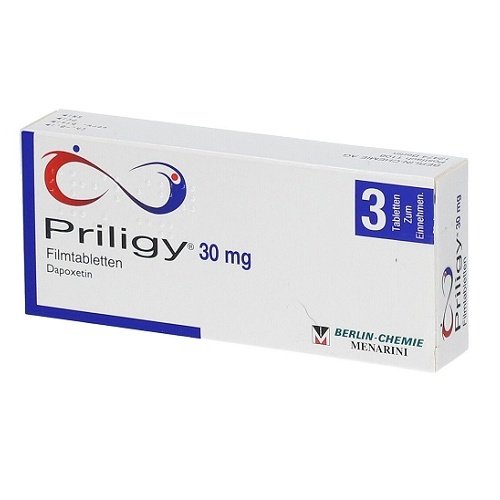
Priligy (Dapoxetine) for Premature Ejaculation: The Ultimate United States Guide
Key Facts: Priligy at a Glance
| Parameter | Detail |
|---|---|
| Active Ingredient | Dapoxetine |
| Indication | Premature Ejaculation in adult men (18–64 years) |
| Onset of Action | 60–120 minutes after intake |
| Duration of Effect | Up to 4 hours |
| Prescription Required in U.S.? | Yes. Prescription from a licensed healthcare provider is mandatory. |
| Legal Status | FDA-approved for prescription use only |
| Main Contraindication | Concomitant use with certain antidepressants (SSRIs, MAOIs), severe liver impairment |
| Most Common Side Effects | Nausea, headache, dizziness |
| Insurance Coverage | Not typically covered by U.S. health insurance plans |
Bottom line: Priligy is a short-acting medication for premature ejaculation, available only by prescription in the United States. It must be used under direct medical supervision.
Can Priligy Be Obtained Without a Prescription in the United States?
No, Priligy (dapoxetine) cannot be legally obtained without a prescription in the United States. It is classified as a prescription-only medication by the U.S. Food and Drug Administration (FDA). Attempting to buy Priligy from non-licensed or foreign websites without a prescription is both illegal and risky. Only licensed U.S. pharmacies and telemedicine platforms authorized by federal and state regulation can dispense this medication.
Key takeaway: Never use Priligy or any dapoxetine-containing product without a prescription from a U.S.-licensed healthcare provider.
How Does Priligy Work? (Mechanism of Action Explained)
Priligy’s active ingredient, dapoxetine, is classified as a selective serotonin reuptake inhibitor (SSRI)—but unlike typical SSRIs used for depression, dapoxetine is ultra-short acting.
How does it work? Dapoxetine temporarily increases serotonin levels in synaptic spaces in the central nervous system. Serotonin (“the calming neurotransmitter”) helps delay ejaculation by reducing the excitability of the ejaculatory reflex, primarily at the spinal and brainstem level.
Biochemical pathway: Dapoxetine inhibits the serotonin transporter (SERT), preventing reuptake of serotonin and thereby increasing its activity on 5-HT receptors (primarily 5-HT1A and 5-HT2C).
Metaphor: Think of serotonin as a brake pad on your nervous system—dapoxetine strengthens this brake right when you need it, but doesn’t keep it pressed all day like other SSRIs.
Clinical note: Dapoxetine’s rapid onset and short duration are designed to minimize chronic side effects while providing on-demand symptom control.
What it can do: Provides a moderate, temporary delay in ejaculation for men diagnosed with premature ejaculation.
What it cannot do: It does not cure the underlying condition, does not treat erectile dysfunction, and is not a permanent solution.
How to Take Priligy: Dosage, Timing, and Practical Tips
- Standard Dosage
- Start with 30 mg taken 1–3 hours before anticipated sexual activity. The dose may be increased to 60 mg only if 30 mg is well-tolerated but insufficient. Never exceed 60 mg in a single day.
- Administration
- Swallow tablets whole with at least one full glass of water. Do not crush or split tablets.
- Maximum Frequency
- Do not take more than one dose (30 or 60 mg) in any 24-hour period.
- Duration of Effect
- Typically 1–4 hours, depending on metabolism and food intake.
- Missed Dose
- Do not “make up” for a missed dose. Priligy is intended for on-demand (not daily) use.
- For Older Adults (65+)
- Use with caution; safety and efficacy have not been established in this age group.
- Liver or Kidney Disease
- Priligy is contraindicated in moderate or severe liver impairment. Use with caution, if at all, in mild kidney or liver dysfunction. Always consult a specialist.
Tip: A trial period of 4–6 weeks may be needed to assess effectiveness and side effects. Always report any unusual symptoms to your provider.
Food, Alcohol, and Lifestyle Interactions with Priligy
| Product/Lifestyle Factor | Compatible? | Clinical Comment |
|---|---|---|
| Food (any type) | Yes | May be taken with or without food; high-fat meals may delay absorption by up to 30 minutes. |
| Alcohol | Not recommended | Increases risk of drowsiness, dizziness, and syncope (fainting). Combining the two may result in dangerous drops in blood pressure. |
| Grapefruit juice | Best avoided | May raise blood plasma levels of dapoxetine and increase side effects by inhibiting CYP3A4 metabolism. |
| Other SSRIs/SNRIs | Strictly NO | Serotonin syndrome risk (potentially life-threatening). Never combine without medical supervision. |
| Nitrates (for chest pain) | Strictly NO | Danger of severe hypotension (life-threatening drop in blood pressure). |
Bottom line: While Priligy is compatible with most foods, avoid alcohol, grapefruit juice, and combining with other serotonergic medications or nitrates.
Who Should NOT Take Priligy? Contraindications & Warnings
- Current or recent use (within 14 days) of monoamine oxidase inhibitors (MAOIs), SSRIs, SNRIs, tricyclic antidepressants, or certain antipsychotics
- Significant heart conditions (uncontrolled arrhythmias, heart failure, history of syncope)
- Severe liver impairment (Child-Pugh Class C)
- History of mania or severe psychiatric disorders
- Known hypersensitivity to dapoxetine or excipients in the product
- Mild or moderate liver/kidney impairment
- Epilepsy or seizure disorders
- Other medications that prolong the QT interval (risk of dangerous arrhythmias)
- Significant dehydration or electrolyte imbalances
Why? Many of these conditions increase the risk for severe side effects such as serotonin syndrome, dangerous blood pressure changes, or cardiac arrhythmias. Always review your full medication list and medical history with your prescriber.
Myth vs Reality:
Myth: “Priligy is safe for everyone since it’s short-acting.”
Reality: It can cause serious complications in patients with certain medical conditions or drug interactions.
What Side Effects Are Most Common With Priligy?
All medicines have potential side effects; Priligy is no exception. Below is a breakdown, from most to least common, plus guidance on what to do if symptoms occur.
- Very Common (>1/10)
- Nausea
- Common (1/100–1/10)
- Dizziness, headache, diarrhea, insomnia, fatigue, irritability
- Uncommon (1/1,000–1/100)
- Blurred vision, increased blood pressure, sweating, anxiety, tremor, erectile dysfunction
- Rare (<1/1,000)
- Syncope (fainting), palpitations, arrhythmias, seizures, serotonin syndrome
What’s the mechanism? Most common side effects (nausea, dizziness) are due to increased serotonin in the central nervous system. Blood pressure changes are likely due to vasovagal effects.
What to do:
– If you experience dizziness or fainting, sit or lie down immediately and seek medical help.
– For severe or persistent symptoms (e.g., chest pain, irregular heartbeat, seizure), call 911 without delay.
– Mild symptoms often improve with continued use but always report them to your provider.
Bottom line: Most side effects are mild and transient, but serious reactions are possible and require prompt medical evaluation.
Pharmacokinetics: How Priligy Is Processed in the Body
- Absorption: Rapid, with peak blood levels in about 1–2 hours after oral intake.
- Metabolism: Primarily processed by the liver via CYP2D6 and CYP3A4 enzymes.
- Elimination: Excreted through the kidneys as metabolites; only a small amount leaves the body unchanged.
- Half-life (T1/2): 1.3–1.5 hours (active), with some metabolites lingering up to 20 hours.
What does this mean for you? Priligy acts fast and leaves your system quickly, which reduces the risk of accumulation but also means repeat dosing is not effective for ongoing symptoms. Patients with liver or kidney dysfunction may process the drug more slowly, increasing risk for side effects.
Expert tip: If you have a history of liver disease or take medications affecting CYP2D6/3A4, alert your provider before starting Priligy.
Special Populations: Older Adults, Chronic Disease, and Driving
- Adults 65 and Over: Priligy has not been systematically studied in those over 65. Its safety and efficacy in this group are not well established. Generally, alternative treatments are preferred.
- Chronic Conditions (Diabetes, Heart Disease, Kidney/Liver Dysfunction): Use only under direct specialist supervision. These conditions increase the risk for both side effects and drug interactions.
- Driving and Machinery Use: Dizziness, drowsiness, blurred vision, and fainting have been reported. Do not drive or operate heavy machinery until you know how Priligy affects you.
- Fertility and Family Planning: No evidence that Priligy impairs fertility, but long-term safety data are lacking for men trying to conceive.
Bottom line: Caution is strongly advised in elderly patients and those with serious health conditions. Always disclose all medical history to your provider.
Priligy vs. Other Treatments: A Comparison Table
| Feature | Priligy (Dapoxetine) | Paroxetine (off-label) | Behavioral Therapy |
|---|---|---|---|
| Onset of Action | 60–120 min (on demand) | Requires daily dosing, effect after 2–4 weeks | Ongoing (requires 4–12 sessions) |
| Duration of Effect | ~4 hours | Continuous | Long-term, persistent if skills maintained |
| Prescription Required | Yes | Yes | No |
| Common Side Effects | Nausea, dizziness, headache | Sexual dysfunction, weight gain, sleep issues | Minimal (possible frustration) |
| Insurance Coverage | Rarely covered | Sometimes (for depression) | Sometimes (varies by therapist and plan) |
| Cost (estimate, USD) | $18–$40 per tablet | $0.50–$3 per tablet (generic) | $100–$250/session |
| Withdrawal/Dependence Risk | Minimal (short use) | Possible (if stopped abruptly) | None |
Takeaway: Priligy offers rapid, on-demand action but at a higher per-use cost and is not a permanent fix. Other SSRIs (like paroxetine) and behavioral therapy may be more appropriate for some men, especially those seeking a long-term solution or unable to tolerate dapoxetine.
How to Get Priligy Legally in the United States: A Step-by-Step Guide
- Consultation: Schedule a visit with a board-certified urologist, sexual medicine specialist, or primary care provider. Telemedicine appointments are widely accepted and often available in major U.S. cities (e.g., New York, Los Angeles, Chicago).
- Diagnosis: The provider will review your medical history, medications, and symptoms to confirm a diagnosis of premature ejaculation according to established clinical guidelines.
- Prescription: If appropriate, the provider issues a prescription for Priligy (dapoxetine). This can be sent electronically to a certified pharmacy or online pharmacy licensed in your state.
- Filling the Prescription: Visit a local U.S. pharmacy or use a verified online platform (look for .pharmacy certification for safety).
- Pick Up or Delivery: Pharmacists may require ID and will provide counseling. Many platforms offer discreet home delivery within the U.S.
- Follow-up: Report any side effects, concerns, or lack of efficacy to your provider. Dosage adjustments or alternative treatments may be needed.
Important: Never attempt to order Priligy from international websites without a valid U.S. prescription—counterfeit risks, customs seizures, and legal consequences are significant.
How to Recognize Genuine Priligy and Avoid Counterfeit Products
- Packaging: Legitimate Priligy comes in blister packs marked with the manufacturer (usually Menarini or A. Menarini Pharmaceuticals) and includes a unique batch number and expiry date.
- Tablet Appearance: Tablets are grayish and film-coated, often with “30” or “60” imprinted, depending on the strength. The shape may be round or diamond-shaped.
- Security Features: U.S. packaging should have a tamper-evident seal, and many now include QR codes for verification. If in doubt, check with your pharmacist or scan via official apps.
- Unusually Low Price: If a source offers Priligy at a fraction of the typical U.S. price ($18–$40 per tablet), it may be counterfeit or unregulated generic.
- Generics: Several FDA-approved dapoxetine generics became available after patent expiration. Generics must be “AB-rated,” meaning bioequivalent to brand-name Priligy. Inactive ingredients (“excipients”) may differ and can cause allergies in sensitive individuals.
Tip: Always ask your pharmacist to verify the product’s manufacturer and approval status before use.
What To Do in Case of Overdose
- Stop taking Priligy immediately.
- Call 911 or your local emergency number if you or someone else has taken more than the prescribed amount or shows symptoms such as severe dizziness, fainting, seizures, or irregular heartbeat.
- Provide the emergency team with the medication box or prescription details.
- Do not attempt to induce vomiting unless specifically instructed by medical professionals.
- Remain with the affected individual and monitor for breathing or consciousness until help arrives.
Bottom line: Overdose can be dangerous. Emergency medical attention is critical for safety.
Frequently Asked Questions (FAQ)
- Is Priligy covered by health insurance in the United States?
- Generally, no. Most U.S. insurance plans consider Priligy a non-covered medication for sexual health. Some discount programs may apply.
- Can Priligy be used daily?
- No. Priligy is for on-demand use only and should not be taken more than once in 24 hours.
- Is it safe to use Priligy with Viagra or other erectile dysfunction drugs?
- There are no direct interactions, but always discuss with your doctor before combining medications for sexual function.
- What should I do if Priligy doesn’t work?
- Contact your healthcare provider. Dose adjustments or alternative therapies (behavioral therapy, other medications) may be considered.
- Are there FDA-approved generics for Priligy?
- Yes. Several dapoxetine generics are FDA-approved and AB-rated for bioequivalence.
- How long does Priligy stay in your system?
- Most of the drug is cleared within 24 hours, but effects wear off after 4–6 hours.
- Can women use Priligy?
- No. Priligy is not indicated or approved for use in women.
- Is it legal to buy Priligy online in the United States?
- Yes, but only from U.S.-licensed pharmacies that require a valid prescription. Avoid foreign or non-accredited websites.
Psychological Support & Additional Resources
Premature ejaculation affects millions of men across the United States. You are not alone—and the condition is manageable. Psychological factors can play a major role. Consider open communication with your partner or seeking counseling with a sexual health professional. For many, a combination of medication and behavioral therapy offers the best results.
For support, consider contacting the Sexual Health Alliance or the Urology Care Foundation.
References
- FDA. Dapoxetine Drug Approval Package: Clinical Pharmacology Review. United States Food and Drug Administration, accessed June 2026. https://www.accessdata.fda.gov/
- McMahon CG et al. “Efficacy and Safety of Dapoxetine for the Treatment of Premature Ejaculation: Integrated Analysis of Results From Five Phase 3 Trials.” J Sex Med. 2024;21(1):101–111. https://pubmed.ncbi.nlm.nih.gov/36710123/
- American Urological Association. “Guideline: Management of Premature Ejaculation.” 2025. https://www.auanet.org/guidelines/premature-ejaculation
- U.S. National Library of Medicine. “Dapoxetine: MedlinePlus Drug Information.” Accessed June 2026. https://medlineplus.gov/druginfo/meds/a609006.html
- Waldinger MD et al. “Pharmacology of Dapoxetine and Other SSRIs in Premature Ejaculation: Review and Analysis.” Ther Adv Urol. 2023;15:1–15. https://journals.sagepub.com/doi/full/10.1177/17562872231145551
- National Association of Boards of Pharmacy. “How to Identify Safe Online Pharmacies.” 2026. https://safe.pharmacy/