- Home/
- Buy Glucophage in Online Pharmacy – Fast Delivery in United States
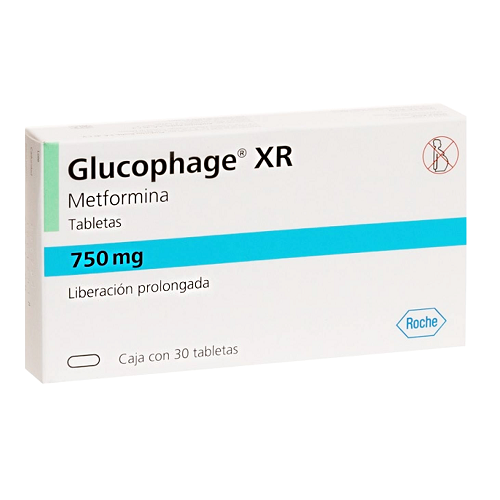
| Brand Name | Glucophage |
|---|---|
| Main compound | Metformin |
| Indicated for | Type 2 Diabetes management |
| Strength variations | 500 mg, 850 mg, 1000 mg tablets |
| How soon it starts acting | Within a few days (blood sugar reduction) |
| Therapeutic effect duration | Up to 24 hours per dose |
| Daily schedule | Usually taken once or twice daily with meals |
| Prescription status in US | Prescription required (FDA-regulated) |
| Common US manufacturers | Bristol-Myers Squibb, Teva, Sun Pharma, among others |
Glucophage for Type 2 Diabetes: What You Need to Know in the United States
Glucophage, with Metformin as its active agent, is one of the most widely prescribed treatments for Type 2 Diabetes in the United States. It is a trusted, FDA-approved prescription medication that helps lower blood sugar and is available in several dosages across pharmacies nationwide. Understanding how it fits into your life and treatment plan is essential before making any decision.
Type 2 Diabetes: You Are Not Alone, and It Is Manageable
Type 2 Diabetes affects millions across the United States, cutting across age, gender, and background. According to the Centers for Disease Control and Prevention (CDC), in 2022, approximately 11.3% of US adults (over 37 million people) had diagnosed or undiagnosed diabetes, with Type 2 constituting the vast majority of cases. The CDC also highlights that early and consistent management—through lifestyle changes and medications—can prevent or delay complications. Knowing these numbers is not about statistics for their own sake: it means your concerns are valid, your struggle is shared, and effective solutions do exist.
How Glucophage Addresses the Root of Type 2 Diabetes
Type 2 Diabetes develops when the body either resists the action of insulin or does not produce enough of it, leading to elevated blood sugar. Glucophage (Metformin) works primarily by reducing the amount of glucose your liver releases into the bloodstream and by increasing your cells’ sensitivity to insulin. In simpler terms: it helps your body respond better to insulin and prevents new sugar from flooding your system. The practical result is more stable blood sugar levels, fewer spikes, and a lowered risk of the long-term complications associated with diabetes. Most people notice some improvement in their blood sugar within several days of starting, though the full effect may take a couple of weeks. Unlike some diabetes medications, Metformin does not stimulate insulin production directly, which is why it has a lower risk of causing low blood sugar (hypoglycemia) when taken alone.
Is Glucophage Right for Your Situation? Scenarios and Selection
| Your Situation | Is Glucophage Suitable? | Explanation |
|---|---|---|
| Recently diagnosed with Type 2 Diabetes, not on any medication yet | Usually yes | Metformin is widely recommended as the first-line oral treatment by the American Diabetes Association because of its effectiveness and safety profile. |
| Currently using insulin or other oral diabetes drugs | Often yes, with adjustments | Metformin can be combined with other medications. However, dosage and interactions must be evaluated by your healthcare provider. |
| History of chronic kidney disease or significant liver problems | No | Metformin is not recommended due to the risk of lactic acidosis, a rare but serious condition, especially in impaired kidney or liver function. |
| Pregnancy or planning to become pregnant | Sometimes | Metformin is used in certain cases (e.g., gestational diabetes), but the decision is highly individualized and requires close supervision. |
| Experiencing frequent digestive issues or intolerance to oral medicines | Possibly not, or with caution | Some patients cannot tolerate Metformin due to gastrointestinal side effects. Extended-release forms may be considered, or alternatives may be needed. |
The decision to start Glucophage and the precise formulation (immediate-release vs. extended-release) should be made with your diabetes care team, considering your full medical history and personal preferences.
How to Take Glucophage: Practical Guidance for Everyday Life
- With meals: Always take Metformin with food to reduce gastrointestinal side effects like nausea or stomach upset.
- Consistent timing: Take at the same times daily. For twice-daily dosing, this is usually breakfast and dinner.
- If you miss a dose: Take it as soon as you remember unless it’s almost time for the next dose. Never double up.
- If it seems not to work after a few weeks: Blood sugar change may be gradual. Consult your doctor before making any changes; a dose adjustment or additional medication may be considered.
- Alcohol: Limit or avoid alcohol while on Metformin, as it increases the risk of lactic acidosis (see below).
- Illness or surgery: If you become severely unwell, dehydrated, or are scheduled for surgery or imaging with contrast dye, inform your doctor. Temporary interruption of Metformin may be required.
What you may notice: Some people experience mild digestive discomfort when first starting, but most side effects improve within 1–2 weeks. If they persist, switching to an extended-release tablet may help. There’s no immediate “feeling” of effectiveness, but blood sugar monitoring will show results.
Who Should Not Take Glucophage? Understanding Contraindications
- Significant kidney dysfunction: Metformin is filtered by the kidneys. If kidney function is reduced, the drug can accumulate and increase the risk of lactic acidosis, a rare but serious complication.
- Severe liver disease: The liver helps clear lactic acid; impairment raises the risk of lactic acidosis.
- Heavy alcohol use: Alcohol both stresses the liver and increases lactic acid production, compounding risk.
- Severe infection, dehydration, or shock: These conditions elevate risk of lactic acidosis by affecting oxygen delivery and metabolism.
- Allergy to Metformin or ingredients: Hypersensitivity is rare but is an absolute contraindication.
Deciding on Glucophage requires transparent discussion with your doctor regarding your kidney and liver function, alcohol consumption, and any current illnesses. Bloodwork is usually required before starting and periodically during treatment.
What Side Effects Can You Expect, and When Should You Be Concerned?
- Common (affecting more than 1 in 10): Gastrointestinal symptoms—nausea, diarrhea, stomach upset. These usually decrease within the first 1–2 weeks.
- Occasional: Mild metallic taste in the mouth, loss of appetite.
- Rare but serious: Lactic acidosis (symptoms: rapid breathing, muscle pain, severe drowsiness, abdominal pain). This is an emergency and requires immediate medical attention.
- Vitamin B12 deficiency: Develops over longer-term use in some people. Annual blood tests are recommended.
If you experience severe vomiting, deep rapid breathing, unusual muscle pain, significant fatigue, or confusion, stop the medication and seek urgent care. In the United States, call 911 for emergency services if you suspect lactic acidosis or any severe reaction.
Glucophage and Other Medications: What About Interactions?
Glucophage is generally considered safe with many other medicines, but certain drugs can increase the risk of side effects or decrease its effectiveness. Key points:
- Contrast dyes for imaging: Used in some CT scans or angiograms, these can temporarily affect kidney function. Metformin is often paused before and after such procedures to prevent risk.
- Some blood pressure and heart medications: Diuretics, ACE inhibitors, and others can impact kidney function and may need monitoring.
- Drugs affecting blood sugar: Steroids, certain asthma medications, and oral contraceptives can raise blood glucose, possibly requiring dose adjustment.
- Alcohol: Increases risk of lactic acidosis, especially with binge or chronic use.
Always inform your healthcare provider and pharmacy about all medications and supplements you use. Never start or stop a medication without checking compatibility with your diabetes regimen.
How Does Glucophage Compare? Alternatives and Their Place
| Option | Main advantage | Main limitation | Best for |
|---|---|---|---|
| Glucophage (Metformin) | Well-established, low cost, low risk of low blood sugar, helps with weight management | May cause gastrointestinal side effects; not for those with kidney/liver dysfunction | Most adults newly diagnosed with Type 2 Diabetes |
| Sulfonylureas (e.g., glipizide) | Effective at lowering blood sugar quickly | Higher risk of hypoglycemia and weight gain | When Metformin is not tolerated or insufficient alone |
| SGLT2 inhibitors (e.g., empagliflozin) | Promotes weight loss, some cardiovascular benefit | Higher cost, risk of genital infections, not for severe kidney impairment | Those with heart or kidney disease, or who need extra glucose lowering |
| GLP-1 receptor agonists (e.g., semaglutide) | Significant weight loss, cardiovascular benefit | Injectable, expensive, can cause gastrointestinal side effects | Patients needing weight loss and additional glucose control |
| Insulin | Effective regardless of kidney/liver function | Requires injection, frequent monitoring, risk of hypoglycemia | Advanced or poorly controlled diabetes |
Glucophage remains the first choice for many due to its balance of efficacy, safety, and affordability. Alternatives may be more appropriate if you cannot tolerate Metformin, have specific comorbidities, or require more intensive glucose control.
How Much Will You Actually Pay? Full Cost Breakdown in the United States
| Expense Category | Amount (USD) | Context/Notes |
|---|---|---|
| Doctor consultation (in-person or telehealth) | $60–$200 | Required for prescription; may be covered by insurance |
| Prescription processing | $0–$20 | Varies by pharmacy and insurance |
| Glucophage generic (Metformin) 500 mg (30 tablets) | $4–$12 | Major pharmacy discount programs available |
| Glucophage brand (30 tablets) | $40–$65 | Brand pricing; generics much lower |
| Standard delivery (mail order) | $0–$10 | Many online pharmacies offer free shipping for generics |
| Total | $64–$307 | First month with in-person doctor, brand medication, and delivery |
| Total (minimum) | $4–$16 | Refill only, generic, no delivery, with existing prescription |
Most patients in the US pay much less for Metformin, especially with insurance or discount plans. Out-of-pocket costs for brand-name Glucophage are substantially higher. Patients with high-deductible insurance or no insurance should check pharmacy discount programs and online/mail-order options. Note that federal law requires a prescription for purchase.
Your Remaining Questions, Answered
-
Can I buy Glucophage online in the US?
Legally, a prescription is required to purchase Metformin (Glucophage) online. Many reputable US-based online pharmacies will request prescription documentation. While some international or non-regulated websites may offer it without prescription, this carries significant risk, including counterfeit products and lack of pharmacist support. Always use a pharmacy registered with the National Association of Boards of Pharmacy (NABP).
-
Is Metformin the same as Glucophage?
Yes, Metformin is the generic name; Glucophage is the original brand. Generic Metformin is equally effective and much less expensive.
-
Does Metformin cure diabetes?
No, Metformin manages blood sugar but does not cure diabetes. Lifestyle changes alongside medication offer the best long-term outcomes.
-
How often do I need follow-up visits or blood tests?
Typically, your provider will check your kidney and liver function before starting and at least annually thereafter, along with regular HbA1c monitoring every 3–6 months.
Doctor’s advice: “If you’re considering Glucophage, an open conversation with your healthcare provider is the most reliable way to tailor treatment to your needs. Never hesitate to ask about side effects, alternatives, or what to expect in daily life. Managing diabetes is a partnership, not a solo journey.” — Endocrinology Specialist, United States
Sources
- Centers for Disease Control and Prevention (CDC), 2022
- U.S. Food and Drug Administration (FDA)
- American Diabetes Association (ADA), 2023