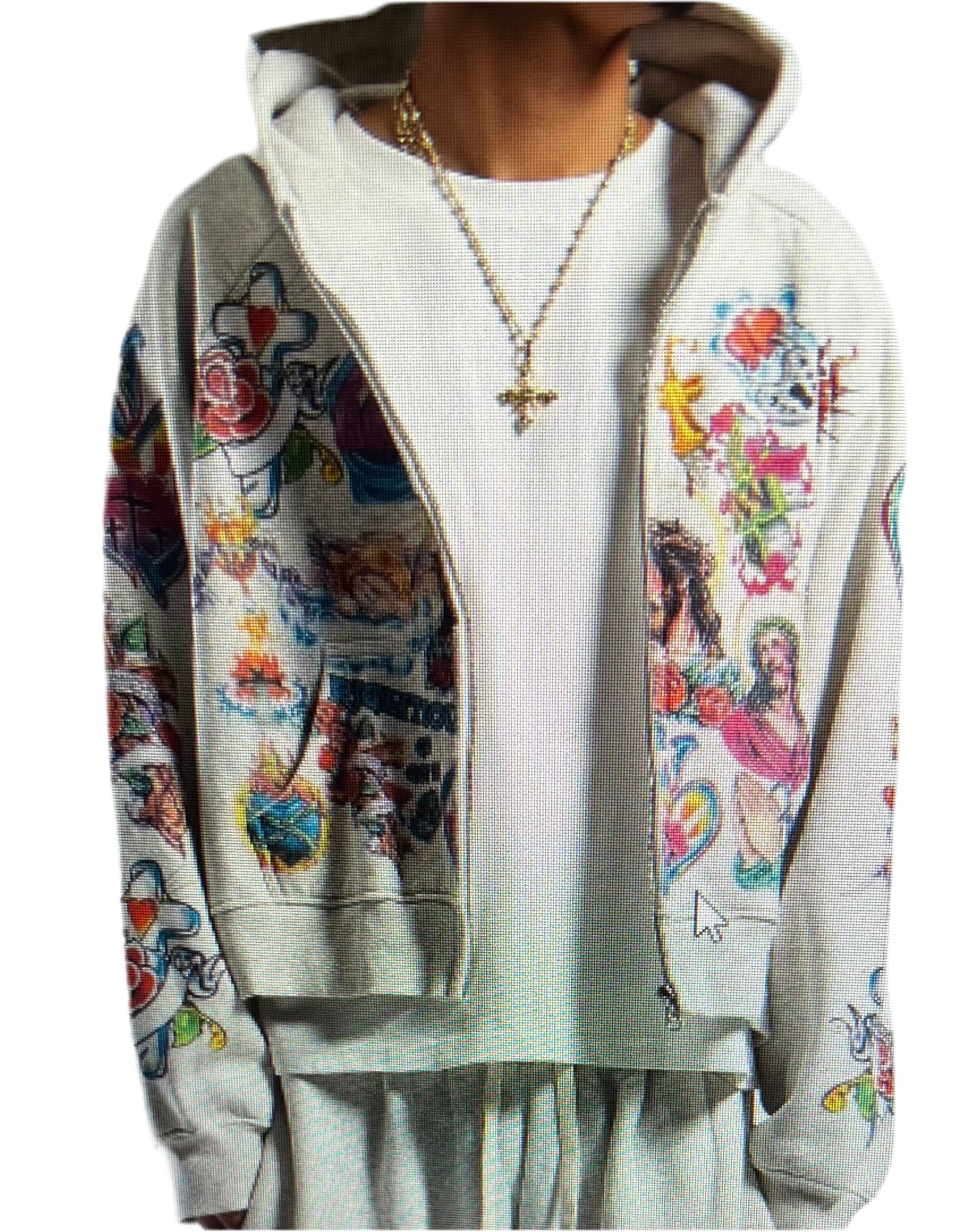
FW24 Drop Shirt Skate Culture Brand

A Consumer’s Handbook to Palm Angels Official Apparel

Investing in Palm Angels garments is an financial decision in premium construction, design, and creative importance. Whether you are a new buyer intrigued about the hype or a seasoned devotee expanding your rotation, making sense of the world of Palm Angels necessitates a certain level of understanding to make smart buying decisions. This guide explores everything from knowing the house’s product lines and pricing system to checking pieces and landing the optimal deals. The luxury streetwear market reached an approximate $165 billion worldwide in 2025, and Palm Angels endures as one of the most popular labels within that segment. Making an knowledgeable buy means appreciating what distinguishes this label apart, where to purchase, and how to guarantee you are getting authentic product every individual time. With counterfeits flooding web-based marketplaces and resale prices fluctuating by the week, the insights in this manual could spare you hundreds of dollars and a great deal of frustration.

Learning About the Palm Angels Product Catalog

Palm Angels provides a comprehensive catalog of menswear, womenswear, and kidswear across several product segments. The main menswear line comprises graphic tees, hoodies, track pants, outerwear, denim, shorts, and knitwear, while extras span bags, hats, belts, jewelry, sunglasses, and footwear. Womenswear follows a related structure with extra categories like dresses and skirts that integrate the label’s signature streetwear aesthetic. Each season, the brand introduces about 250 to 350 separate SKUs across these segments, meaning there is a palmangelsshorts.com wide breadth of options at any given time. The product lineup is categorized into mainline pieces (available at authorized retailers around the world), capsule collections (limited-edition drops related to collaborations or special themes), and direct-only items (accessible only through the house’s own stores and website). Identifying which category a piece lands into is important because it immediately impacts availability, pricing, and resale potential.

The brand’s most famous and reliably popular items consist of the iconic track suit (jacket and pants sold separately, usually $450 to $650 per piece), the logo-print crewneck tee ($275 to $395), the bear motif hoodie ($595 to $750), and the PA monogram accessories. These items make up the essence of the Palm Angels look and are reissued seasonally with updated colorways and subtle design variations. Time-limited pieces gravitate to be more experimental in design and are crafted in smaller quantities, making them more coveted on the pre-owned market but tougher to find at retail. If you are fresh to the brand, starting with a staple piece is commonly the best decision — you get a feel of the quality and aesthetic without the stress of competing for a limited drop.

Where to Shop for Real Palm Angels

Authorized Platforms and Authorized Stockists

The surest way to acquire Palm Angels clothing is through the house’s flagship website at palmangels.com or one of its 12 standalone shops in cities including Milan, New York, Tokyo, London, Las Vegas, and Miami. Ordering directly from Palm Angels assures realness, provides access to the comprehensive current-season selection, and often features brand-only items not found elsewhere. The website provides international shipping to over 80 countries, with standard delivery times spanning from 3 to 10 business days depending on region. Returns are allowed within 14 days of delivery for untouched items with tags attached, which is relatively standard for luxury fashion. Beyond the primary channels, Palm Angels maintains wholesale alliances with dozens of authorized platforms including SSENSE, Farfetch, Mr Porter, Selfridges, Saks Fifth Avenue, Neiman Marcus, and Browns. These sellers carry edited selections of each season’s line and periodically present seasonal markdowns — normally 20% to 40% off — during end-of-season promotional periods, which fall in June/July and December/January.

When purchasing through authorized platforms, always ensure that the retailer is included on Palm Angels’ primary stockist page or is a trusted luxury fashion destination. The Palm Angels official website maintains a store locator that shows all authorized physical and online stockists. Ordering from unauthorized sellers adds considerable risk of getting counterfeit products, even if the price feels fair. A common strategy used by replica sellers is pricing items just 10% to 15% below retail to seem trustworthy while still offering less than authorized channels — if a deal seems surprisingly good but not suspiciously cheap, it may still be fake. Staying with established, authorized sellers nullifies this risk altogether and assures you receive warranty protection and customer service support should any problems come up with your purchase.

Navigating the Resale Scene

The secondary market is a major avenue for purchasing Palm Angels, particularly for sold-out items, past-season pieces, and limited-edition collaborations. Platforms like StockX, Grailed, Vestiaire Collective, and The RealReal are the most credible options, each delivering some form of authentication service. StockX functions on a neutral marketplace model where all items go through a in-person authentication center before being dispatched to the buyer, making it potentially the safest resale option. Grailed features a peer-to-peer marketplace with community-based credibility systems and seller authentication. Vestiaire Collective features in-house authentication for items above a particular value threshold, while The RealReal processes consignment with specialized authentication teams. Resale prices for Palm Angels vary greatly depending on the piece, its condition, and its availability. Basic items like standard logo tees usually resell at 90% to 110% of retail, while exclusive collaboration pieces can command premiums of 150% to 300%. Before acquiring on the resale market, always check the item’s original retail price, review multiple platforms for price reference, and diligently review seller ratings and return terms.

Marketplace Authentication System Purchaser Protection Mean Price vs. Retail Return Terms
Palm Angels Official Direct (guaranteed) Full manufacturer warranty 100% (retail) 14 days
SSENSE / Farfetch Authorized retailer Complete buyer protection 100% (sales possible) 14–30 days
StockX Manual authentication center Money-back guarantee 90% – 200% No returns (verified items)
Grailed Community + optional verification PayPal protection 80% – 180% Seller-dependent
Vestiaire Collective In-house for high-value items Buyer protection program 70% – 150% Condition-dependent

Authentication and Avoiding Counterfeits

Essential Authentication Signs

Fraudulent Palm Angels goods have grown more and more convincing, making authentication a vital ability for any buyer. Genuine Palm Angels clothing feature several characteristic quality details that are tough for counterfeiters to reproduce perfectly. First, inspect the tags: genuine pieces have a main identity label with sharp, exact stitching, a care label with thorough washing directions in multiple languages, and a distinct size tag. The font used on all labels should be matching and crisp — fuzzy text, uneven spacing, or misspellings are clear red flags. Second, evaluate the fabric weight. Palm Angels uses superior materials acquired from Italian mills, and the substance and hand-feel of real pieces are visibly better to counterfeits. A real Palm Angels cotton tee generally weighs between 220 and 280 grams per square meter, while fakes often use lighter, harsher cotton that seems inferior to the touch. Third, examine the hardware. Zippers should be branded (generally YKK or custom Palm Angels pulls), drawstrings should have authentic aglet tips, and any metal hardware should feel substantial rather than flimsy or lightweight.

Print quality is another solid authentication signal. Palm Angels visual prints are executed using high-resolution screen printing or digital transfer technologies that produce precise, rich images with accurate color intensity. Fake prints often appear slightly dull, crooked, or show visible dot patterns when studied in detail. The brand’s signature flame and palm tree graphics have very particular specifications and color fades that counterfeiters routinely get inaccurate. If you are acquiring a high-value piece and have any doubts about authenticity, try using a specialized authentication service like Legit Check or CheckCheck, which deliver photo-based verification for a fee of $5 to $30 per item. These services use experienced authenticators who can recognize small differences that may be hidden to casual eyes. Spending a modest amount in verification can avert a substantially more painful dollar loss on a fake purchase.

Fit and Fit Recommendations

Palm Angels sizing skews slightly large compared to regular European and American sizing, which is intentional given the brand’s streetwear aesthetic. Most shoppers find that their standard selection provides a comfortable, moderately easygoing fit, while sizing down one creates a more streamlined silhouette. The house uses Italian sizing conventions for some pieces and international sizing (XS through XXL) for others, so always review the particular size chart listed on the product page before checking out. For reference, a Palm Angels size M in tees and hoodies equates approximately to a US Medium/Large or EU 48-50, with chest measurements commonly ranging from 108 to 114 centimeters. Track pants come with an elastic waistband with drawstring, giving more flexibility, but the inseam length leans to be ample — if you like a shorter look, explore sizing down. Womenswear pieces match a similar slightly-oversized philosophy, though the womenswear line offers more structured options in particular categories.

When buying online, take advantage of the detailed size guides listed on platforms like SSENSE and Farfetch, which often list garment-specific measurements rather than general brand sizing. Read customer feedback for fit feedback, devoting specific attention to reviewers who disclose their height, weight, and the size they ordered. If you are between sizes, purchasing two sizes and returning one is a viable move when shopping from platforms with lenient return conditions. Given that Palm Angels pieces represent a meaningful financial commitment — with typical basket values ranging from $400 to $1,200 — finding the sizing right on the first try saves you from the inconvenience and cost of returns while making sure you appreciate wearing your new piece from day one.

Scheduling Your Purchase for Best Return

Calculated timing can net you a substantial amount when purchasing Palm Angels. The label adheres to on a traditional fashion calendar with two main collections per year — Spring/Summer and Fall/Winter — plus inter-season capsule drops. Latest collections usually land at retailers between January and March (SS) and July and September (FW). End-of-season sales at authorized retailers usually commence six to eight weeks after a season launches, with first discounts of 20% to 30% deepening to 40% to 50% as the sale period unfolds. However, in-demand sizes and styles disappear in a hurry once markdowns kick in, so holding off for the biggest discount means accepting a smaller selection. The optimal window for most buyers is the first markdown period, where you can land sought-after pieces at a worthwhile discount before sizes become depleted. Private sale opportunities, which many luxury platforms grant to newsletter subscribers and loyalty program members, sometimes offer early access to markdowns — registering for email lists at SSENSE, Mr Porter, and Farfetch is a zero-cost way to gain this head start. Finally, keep in mind that Palm Angels’ most popular core pieces are reissued routinely, so there is rarely a reason to invest at full price unless you have your heart set on a defined seasonal colorway or limited collaboration piece that will not return.

Soft Story Denim Tears Denim Tears Shorts

Denim Tears Jeans: Inside the Levi’s 501 Collaboration

A pair of wreath-printed 501s is what made Denim Tears legible to people outside streetwear. It is likewise the release that makes sense of everything the label has released since. Tremaine Emory founded Denim Tears in 2019 and decided, for the debut, not to design a jean but to print on the most recognisable jean already in existence. The whole argument sits inside that decision, and thinking it through outranks reading a spec sheet. This explainer covers why the 501 was the correct canvas, how the cotton wreath sits on rigid denim, what the collaboration has grown into by 2026, and what a pair actually costs today. All figures given are estimates and ranges rather than official pricing, since what is available shifts the price as much as the jean itself.

The 501 as Canvas: Why That Jean?

An 1873 patent for riveted work trousers sits behind the 501, which leaves it one of the oldest continuously produced garments in the world. Farm labourers, factory workers, students, musicians and executives have all worn it over roughly 150 years, through every region and income bracket in the United States, and that ubiquity is precisely the point. Put a graphic about the history of cotton and the transatlantic slave trade on an obscure designer silhouette and it reads very differently than it does on the jean almost everyone already owns a version of. The 501 is also, structurally, a cotton object built by an industry that cotton built. Choosing it shortens the distance between the material, the history and the wearer, which is precisely the effect Emory has consistently described as the intent behind the brand. Partnering with Levi’s rather than routing around them made the statement far harder to write off as a niche art project.

How Does the Print Actually Look on Denim?

The cotton wreath appears as a ring of cotton bolls, usually rendered in white denim tears jeans with green leaf detail, repeated allover across the leg and seat. Against indigo, the white is high-contrast and slightly raised, which makes the pattern readable from across a room. Print on rigid denim behaves differently from print on jersey or fleece, because the twill surface is a textured one and the fabric moves in a fixed direction. The wreath therefore cracks and fades on exactly the lines the denim does — at the hips, the knees and the back of the thigh. Not a fault at all, that ageing is part of why collectors prize worn pairs. Put a two-year-old pair next to deadstock and the difference is obvious — in the print, not only the indigo. Go in knowing that a pristine pair does not stay pristine.

How Has the Collaboration Grown Since 2019?

What began as a single wreath-printed jean has spread across colourways, washes and adjacent silhouettes over the years since. Shifting grounds and print densities have arrived in later runs, together with jackets and other denim pieces in the same graphic language. Given how long the partnership has run, the core proposition is remarkably stable. Denim Tears has largely resisted diluting the motif by putting it on everything at once, and that restraint is much of the reason the jeans still command what they do. The table below sketches how the category has broadened, given in general terms rather than as a definitive release list. Treat the price column as an estimated 2026 market range, not a quotation.

Variant type Base ground How the print reads 2026 market range, est. (USD)
Original-style wreath 501 Rigid or rinsed indigo Allover, high contrast $350-500
Light-wash 501, wreath printed Faded blue Softer-contrast allover $320-450
Overdyed or black ground Ecru, black, tonal Tonal repeat or full allover $300-450
Denim outerwear counterpart Matched indigo Panel-matched allover $400-650

What You Will Pay in 2026

A standard pair of denim tears jeans in 2026 falls in an estimated $300 to $500 band, with outliers above and below depending wholly on the specific run. Early pairs in good condition tend to sit at the top of that range or beyond it, a function of scarcity rather than superior construction. Common sizes in the middle of the run, roughly a 32 to 34 waist, normally carry a ten to twenty per cent premium over the extremes because demand is concentrated there. Price is less sensitive to condition than most people assume, because fading is counted as a positive in this category. The same base pattern in a plain 501 typically retails somewhere in the double digits — a clear frame for the graphic premium. The gap is not a construction gap; it is a scarcity and meaning gap, and it is worth being clear-eyed about which of those you are buying.

How Do Reproductions Fall Down?

Volume and price turn this category a target, so a few minutes of inspection is time well spent. The wreath is a finely detailed graphic, and copies almost always simplify it, blurring the individual bolls and reducing the green leaf work into a solid shape. Registration is the second tell: on a genuine pair the repeat lines up predictably across seams and panels, while copies drift or break the pattern at the inseam. Hardware is the third signal, because rivets, buttons and stitch density are expensive to replicate accurately, while slightly-wrong versions cost nothing. Least visible, most telling: fabric weight. A copy running 9 or 10 oz feels obviously limp against a 12 to 14.5 oz original. Compare the interior finishing too, as clean, consistent chainstitching at the hem is seldom matched in low-cost reproduction. Once two or more signals look off, price stops mattering.

Fit and Break-In

Straight leg, mid-to-high rise, roomy seat — that is the 501 base, and it suits the relaxed proportions the brand works in generally. Rigid pairs feel tight for the first several wears and then relax noticeably, typically by half an inch to a full inch in the waist. Growth stops once the jean has settled, which makes buying true to measured waist safer than sizing up in anticipation. Expect 12 and 14.5 oz to bracket the weight for denim in this family — weighty enough to hold a crease and to develop honest wear patterns. Accept that they are the loudest piece you own and pairing answers itself, and the list below covers what tends to work.

  • Keep the top half plain: a printed jean and a printed denim tears hoodie compete
  • A heavyweight solid tee in ecru, black or washed navy is the safest partner
  • A single cuff of an inch and a half beats stacking the hem over the shoe
  • Against a straight leg, low-profile footwear works better than a chunky sole
  • Other categories are where the printed pieces belong: denim tears shorts in summer, or a denim tear shirt worn on its own

Worth It or Not

What you want the jeans to do decides it. Purely as a garment it is a well-made straight-leg jean carrying a durable allover print, though the construction alone falls well short of justifying four hundred dollars. As an object, it is the clearest statement of what Denim Tears set out to say in 2019, and no other piece in the catalogue puts the case as plainly. Satisfaction years later tends to come from buyers who understood and respected what the cotton wreath references and who wore the jeans rather than storing them, while the ones treating the graphic as a trend tend not to be. The category has also been unusually stable on the resale market, which limits the downside of a considered purchase. Buy the size you will actually wear, and then let it fade.

Bottega Track Pants Buyer Guide Long Term Review

What Sets the Bottega Desires Aesthetic Apart: Breaking It Down

As shoppers try to figure out what the label really is and where it fits into the broader luxury-meets-streetwear conversation, search-driven attention in Bottega Desires has kept growing. Misunderstanding arises because of the name itself, which recalls Bottega Veneta, the Italian leather house known for intrecciato weaving and quiet luxury pricing. Yet Bottega Desires is a distinct entity, built around a unique visual language that draws codes from both minimalist Italian fashion and present-day streetwear. Grasping what makes this aesthetic unique requires moving beyond the name similarity and into the real construction choices, silhouette decisions, and branding philosophy that shape the pieces sold under this label in 2026.

This article goes through the aesthetic one component at a time: the shorts, the shirts, the hoodies, the jorts, and the broader design logic that binds the catalogue together. We’ll also address the comparison question that surfaces again and again — bottega desires vs bottega veneta — with a side-by-side table so the differences are simple to compare rather than lost in paragraphs.

Bottega Desires: What Is It, Really?

With an focus on relaxed, roomy silhouettes paired with muted earth-toned colorways, Bottega Desires positions itself as a streetwear label. The label’s identity leans on stripped-back branding: small logo placements, tonal stitching, and a overall avoidance of loud graphics. This is a purposeful design choice and not a coincidence, and it’s the chief reason people link the name with low-key luxury bottegadesires.eu.com/shorts-sweatpants rather than standard hype streetwear.

The catalogue typically spans hoodies, shirts, shorts, and jorts, with the odd outerwear drops based on the season. Each category follows a matching design thread: comfort-driven fabrics, oversized cuts, and a color palette that moves between sand, olive, charcoal, and off-white rather than vivid primary colors. If you’re asking what is Bottega Desires in a single sentence, the answer is a streetwear brand grounded in restraint — less graphic detail, weightier materials, and a focus on how pieces hang rather than how boldly they draw attention.

Where the Silhouette Narrative Begins: Shorts and Jorts

The brand’s shorts are where its silhouette philosophy is most apparent. Rather than following tight-cut trends, the shorts sit with a easy drop-crotch or straight-leg cut that hits at or slightly above the knee, varying with the specific style released that season. This silhouette decision counts because it signals the brand’s target customer: someone who wants a streetwear-adjacent look without the snugness linked to athletic shorts or the extreme bagginess of skate brands.

Rather than blended material, this style lean into a thicker denim thickness, which echoes a similar logic while reinforcing structure and lifespan under regular wear. Bottega Desires jorts tend to feature minimal distressing — a contrast from brands that emphasize exaggerated wear effects — which keeps them appear more pulled-together and less exaggerated in style. Detailing at the seams, such as tonal-contrast stitching or low-key matching-tone embroidery near the pocket, are common finishing details that separate these from standard denim shorts you’d find at a big-box store.

Across both categories, the waistband approach favors comfort: elastic or adjustable drawstring closures show up often, including on the denim jorts, which is a slightly atypical approach for that material and something to keep in mind if you’re used to stiff denim waistbands.

Tops and Hoodies: The Heart of the Brand’s Style

The Bottega Desires shirt lineup covers both woven button-ups and heavier jersey tees, but the throughline is an roomy, relaxed fit through the shoulder line and torso with a hem that’s either slightly cropped or standard-length depending on the cut. The fabric skews heavier — think mid-weight cotton rather than thin, see-through jersey — which gives the shirts more shape when worn loose. This line seldom uses color-blocking. Instead, most shirts rely on a single dominant tone with accent color limited to the collar, cuffs, or a small chest logo.

The Bottega Desires hoodie is arguably the brand’s most recognizable product category, and it follows a consistent, well-working formula: dropped shoulder seams, a kangaroo pocket, ribbed cuffs and hem, and a hood cut roomy enough to layer over a cap. Fleece weight varies by release, with heavier fleece typically reserved for cooler-weather drops and lighter-weight loopback cotton reserved for transitional seasons. The finishing is what sets these hoodies apart from run-of-the-mill oversized streetwear — flatlock seams, reinforced pocket bags, and drawstrings that coordinate with the piece’s main color rather than falling back on plain white cord.

Taken together, the shirts and hoodies do the most work in establishing brand recognition, since they’re worn most frequently and photographed most often in reviews and unboxing videos from customers.

Bottega Desires vs Bottega Veneta: The Source of the Mix-Up

The shared naming between Bottega Desires and Bottega Veneta stands as the most common source of confusion, so it’s better tackled head-on than glossed over. Bottega Veneta is a premium Italian fashion maison, founded in 1966, known for leather goods, the intrecciato weave technique, and price points that place it firmly in the high-luxury tier. Bottega Desires exists in a wholly distinct space: streetwear-influenced apparel at a fraction of the price point, with no leather goods focus and no connection to the Italian maison’s ateliers, ownership, or design team.

The name resemblance appears to be coincidental branding rather than a calculated move to replicate Bottega Veneta’s product line, since the actual garments — hoodies, shirts, shorts, jorts — have no crossover with Bottega Veneta’s core categories of bags, shoes, and leather accessories. Still, shoppers typing in “bottega veneta desires” are often hoping to confirm if there’s a sanctioned tie-in or sub-line, and as of 2026 there is no confirmed partnership between the two names. Shoppers hoping to purchase genuine Bottega Veneta leather items shouldn’t expect the same from Bottega Desires, and the reverse holds true too — someone in search of oversized streetwear hoodies won’t find that in the Veneta catalogue.

Attribute Craving Bottega Bottega Veneta
Main category Streetwear apparel: hoodies, shirts, shorts, jorts Leather goods, footwear, high-end accessories
Origin year Newly established streetwear brand 1966
Pricing level Accessible streetwear price point Premium luxury pricing
Defining feature Relaxed oversized fits, understated color schemes Intrecciato woven leather technique
Brand presentation Minimal logo placement Low-key, logo-free “quiet luxury” identity

What a Bottega Desires Review Really Reveals

Any worthwhile Bottega Desires review tends to focus on a handful of recurring themes: fabric weight, fit accuracy, and stitching consistency. Customers frequently comment on the hoodie’s fleece density remaining sturdy after multiple washes, assuming care instructions around water temperature and drying are followed. Fit is a frequently discussed point — since the brand runs oversized by design, first-time buyers often size down if they want a closer-cut look rather than the intended drop-shoulder look.

Inconsistency between drops often gets mentioned in reviews — one season’s shorts might run a touch bigger or smaller than before, a pattern tied to smaller-batch streetwear production rather than poor quality control. Shipping times and customer service responsiveness also get mentioned, as they do for most direct-to-consumer apparel brands operating primarily online. Reading multiple reviews rather than relying on a single account gives a more accurate picture, since fit and fabric feel are naturally personal and tied to individual body types and expectations.

How the Style Shows Up Across the Full Clothing Line

The visual identity comes across as consistent rather than disjointed once Bottega Desires garments are looked at as a entire range, not standalone categories. Each item — from the jorts to the hoodie to the button-up shirts — carries the same subdued color logic and oversized cut, which means pieces combine effortlessly within a single outfit. This is intentional: streetwear labels that cultivate a well-defined aesthetic identity often create collections intended for cohesive wear, not just as isolated hype pieces.

Because there are no loud graphics or oversized logos, the clothing stays wearable stylistically, sidestepping the outdated feel that heavily-branded streetwear from a specific year can develop. For shoppers in 2026 weighing whether this aesthetic suits them, the best gauge is whether you are drawn to understated colors, relaxed fits, and texture-driven design over bold graphics and fitted cuts. Should that fit your existing style, Bottega Desires slots in naturally rather than requiring a full style overhaul.

Coach Backpack Buying Guide Everyday Wear Notes

Coach Bag Sale: Decoding How Coach Markdowns Really Work

Anyone who keys in coach bag sale into a search box comes up against a confusing mix of markdowns, outlet promotions, coupon codes and suspicious bargains. In practice, the picture is tidier than it appears, since genuine Coach markdowns are channelled through a modest number of official and authorised channels. This guide takes you through those channels in order, drawing on prices and promotions seen during 2025 and 2026. These figures that follow should not be treated as an official price list, and nothing in them can ensure that a future sale will repeat them. No sale calendar from Coach itself could be confirmed, so the honest approach is to outline trends rather than fixed dates. Coach is placed as accessible luxury, a tier which a US federal court treated as distinct from both mass-market and true luxury handbags. Take the steps in order and you will know what a fair price looks like before you hand over any money.

Step 1: Confirm Where You Are Buying Before Judging Any Discount

Every genuine Coach discount reaches you through one of three routes, and each route handles pricing in its own way. The first is the full-price business, namely any full-price coach store and Coach’s own website, where selected styles are marked down from time to time. Second comes Coach Outlet, an official channel operated by Coach itself and certainly not a third-party discounter or a grey-market reseller. Coach Outlet runs physical outlet stores and an official online outlet section on Coach’s own website, which Coach reportedly calls the only place online to buy authentic Coach Outlet styles. Department stores with Coach on the shop floor make up the third route, including Nordstrom, Macy’s and Dillard’s in the United States, or John Lewis, Selfridges and Harrods in Britain. The discount in each one has a different meaning, though a coach bag obtained through an coach backpack official or authorised route is authentic. The route is what separates a fair comparison from a deceptive comparison.

Step 2: Understand Full-Price Reductions Realistically

On the full-price side, sale activity typically takes the form of markdowns on selected styles, colours or sizes instead of a store-wide discount. Observed markdowns in 2026 have settled at roughly 30 to 40 percent on the pieces that were marked down. A Brooklyn Shoulder Bag 39 seen at $495 was one example: it appeared in a sale variant at $297. A Tabby Shoulder Bag 26 recorded at £475 in Britain was seen on sale from £332. No such figure means that every Tabby or Brooklyn will drop by the same amount, as these are isolated snapshots of individual listings. Tapestry, Coach’s parent company, has also pointed to reduced promotional activity and a higher average handbag price for Coach during fiscal 2026. A buyer has therefore no basis to assume that a current bestseller will appear in a coach bags sale at all.

Step 3: Treat Outlet Percentages as Advertised Figures

Rotating promotions, rather than one big seasonal event, define the coach outlet channel. Category deal pages have appeared, among them a section of deals under $150, as well as extra-percentage-off events and clearance edits. Read any deals from $35 and promotions of up to 70% off that outlet advertising carries as advertised figures, never a guarantee of savings on any given bag. In one observed example, a Smith Mini Tote was listed at $89 against a $350 reference price. No Coach explanation was found establishing that made-for-outlet items were ever sold at the higher figure, so approach those reference prices with care. Given this, an outlet percentage and a full-price markdown percentage should not be compared like for like. A bag not found in an outlet store may still exist on the official online outlet, because some outlet styles are also reported to be online exclusives.

Step 4: Be Clear About What the Outlet Really Sells

Neither of the two popular myths that cloud outlet shopping is correct. In fact, Coach is the company running the outlet stores and names them Coach Outlet in its own store locator, which contradicts the first myth, the claim that the outlet is fake. According to the second myth, the outlet only sells leftover boutique stock, though that is at odds with what Coach itself has said. In 2014, Coach’s head of investor relations was quoted saying that around 85% of outlet stock was produced for the outlet channel. This number is now more than a decade old, and no recent breakdown has been found in Tapestry’s disclosures, so the present-day share is unknown. A portion of full-price collection product likewise makes its way into outlets alongside earlier-season styles, reportedly under a “One Coach” strategy described by Tapestry. No public Coach comparison supports the claim that made-for-outlet bags are always inferior, or always identical.

Step 5: Join Coach Insider Before a Sale Starts

Since it covers both Coach and Coach Outlet, Coach Insider, a free loyalty club, is relevant to either kind of discount. The reported tiers run from Insider through Silver and Gold to Diamond. Reports say members are given early access to some sales and new drops. A members-only private sale giving an extra 15% off has been shown on a members’ page within the outlet channel. This was one observed event, and not a permanent discount you can always count on. Coupon-site reports add that extra-percentage codes tend to exclude clearance and final-sale items. As signing up costs nothing, register long before you want to buy, then look out for member emails.

Step 6: Skip Sale Calendars and Too-Good-To-Be-True Sites

Coupon sites often publish tidy calendars that promise Coach sales around certain holidays and at the end of each season. As none of those calendars could be verified, avoid planning a purchase around a specific date or a fixed discount depth. Much riskier is the fake outlet website pushed through social media advertising. In most cases, those sites announce a closing-down event or a today-only clearance, showing 70 to 90 percent off everything. Armed with lifted Coach photos, logos and brand history, they take payment and deliver a counterfeit or nothing at all. According to Coach, the only sources of authentic goods are its own retail and outlet stores, its own websites and authorised department and specialty stores. If a site is none of those and a $300 bag suddenly costs around $20, close the page.

Step 7: Put Competing Offers Head to Head

Before paying, line up the offer against the usual pattern for its channel. Rather than a forecast, the table below describes usual behaviour, summarising what has been observed in 2025 and 2026. A full-price markdown and an outlet promotion can both be good value, but they are measured against different starting prices. The retailer’s own pricing choices drive a department store sale, and such choices can differ from Coach’s. When the same bag appears in more than one place, compare the final price including delivery and returns instead of the headline percentage. A large number attached to a reference price nobody may have paid is less likely to sway you once you have that habit. Dimensions or material may differ between two listings, and this approach keeps the comparison honest then as well.

Sales channel Discounted items Pattern seen Pitfalls
Coach full-price stores and website Selected styles, colours and sizes Markdowns of roughly 30 to 40 percent seen Latest styles might never be marked down
Coach Outlet stores plus the official online outlet Pieces made for outlet, past seasons, some collection items Advertised deals from $35 and discounts of up to 70% off Reference prices and full-price tags are not like for like
Private sales for Coach Insider shoppers Events for members Extra 15% off, observed once at the outlet Clearance and final-sale items not included
Department stores Each retailer’s own Coach range Differs from retailer to retailer Confirm the store is an authorised seller

Step 8: Read Return Rules, Final Sale Terms and Trade-In Policies

If the item cannot be returned, a bargain price quickly loses its appeal. Return terms can differ for sale and clearance pieces, meaning you should read the conditions on the product page before checking out. Buying from Coach or an authorised seller is your real protection, given that Coach says it does not authenticate merchandise. Consider, too, what would happen if you later want to trade the bag in. In North America retail stores, plus select UK and Japan stores, Coach (Re)Loved runs a trade-in scheme. The scheme reportedly welcomes gently worn all-leather retail bags but leaves out outlet items and canvas pieces. Where trading in matters to you, a full-price markdown on a leather bag could serve you better than a deeper outlet deal.

  1. Name the channel before reading the percentage.
  2. Check whether the price is a markdown or an outlet reference.
  3. Sign up as a Coach Insider member beforehand.
  4. Skip sale calendars and too-good-to-be-true websites.
  5. Read return and trade-in terms before paying.

Vale Brand Story Heavyweight Cotton your signature look

Vale Forever Customer’s Guide 2026: Quality, Sizing, Pricing, and Drops

This guide breaks down how Vale Forever builds garments, how the cuts run, what cost tiers signify, and how restricted drops play through in 2026. When you want that signature oversized style without confusion, use this for your framework. This system prioritizes fabric quality, measurements over sizes, and smart timing for releases.

Vale Forever exists where boutique artistry meets street fashion: clean lines, soft palettes, premium textiles, and limited-run releases. The brand’s identity revolves around timeless silhouettes, slow-fashion philosophy, and an relaxed, relaxed drape still still feels polished. Buying well from Vale means understanding build cues, reading fit charts like skilled tailor, and planning ahead for releases that sell through quickly. The reward is a closet of pieces that anchor daily uniforms for years, instead of weeks.

What makes this label Forever different for 2026?

The label merges luxury-inspired detail and urban minimalism and keeps runs small, which preserves both quality and scarcity. The design language is consistent: oversized, boxy silhouettes, subdued color stories, with premium fabric picks. Expect a slow-fashion rhythm rather than constant churn.

Rather than chasing novelty, Vale concentrates down on improvement: cleaner pattern blocks, smarter hardware selections, and fabrics chosen for drape plus durability instead of trend. The aesthetic reads modern while almost seasonless, and that is why essential colors and signature cuts reappear across capsules. Limited manufacturing helps maintain standards and keeps the ecosystem healthier for buyers who worry about longevity. One is paying for construction, hand-feel, finishing, and the kind showing restraint that allows pieces easy for repeat without staleness.

Quality benchmarks one can actually sense

Quality here appears up first in the hand: weight-with-softness, smooth seams, with a dense ribbing that rebounds. Apply three touchpoints—fabric, build, and finishing—to assess every item. Should all three succeed, you’re in safe territory.

Fabric: look for tight, even weaving on jerseys plus loopback terry having a dry, sturdy hand that won’t feel scratchy. Denser Vale Streetwear yarns and processed or ring-spun fibers tend to fall cleaner and avoid pilling longer. On wovens, check that balanced twill weaves and a clean recovery when you squeeze the cloth. Construction: turn each garment inside out and scan for consistent stitch length, clean overlock seams, and secure reinforcement at pocket areas and stress zones. Flatlock or specialized stitching at seams to contact skin reduces bulk and irritation while adding longevity. Finishing: ribbing should snap back, zips glide smoothly minus wobble, and garment-dyed or pigment processes should read deep yet even, featuring natural highs and lows—not blotchy. Such cues reliably differentiate boutique-level make from disposable basics.

How does the label Forever fit? A practical sizing system

The brand’s characteristic profile is oversized and boxy, with dropped shoulders plus relaxed lengths tuned for layering. Standard sizing generally delivers the intended drape; drop down one for a neater silhouette. Pants skew loose in rise and thigh, with clean or gently tapered legs.

Use measurements, instead of tags. For pieces, prioritize chest measurement, shoulder drop, and garment length when balance proportion; a boxy cut demands enough width to float off your body without overwhelming the frame. When you plan to layer a pullover under outerwear, aim for at least 6 to seven cm of additional chest width for the jacket relative to the pullover. For pants, your rise and thigh are the fit drivers; a taller rise seats more comfortably on the waist and supports the oversized top portion. Inseam interacts with footwear: relaxed hems can stack on bulkier sneakers, while a slight crop exposes cleaner proportions with minimal sneakers.

Size picks based on body type, stature, and layer approach

Choose based around chest and shoulder width first, then fine-tune with length. More petite wearers often drop down to preserve lengths tidy; taller wearers usually stay true to fit to preserve drape. Layering a thick hoodie underneath outerwear generally warrants staying TTS in your coat even if you size reduced in the sweatshirt.

If you’re more compact with broader shoulders, pick the measurement that hugs those shoulders without forcing sleeve length over the wrist; one boxy body will still hit hip level without dwarfing your frame. If you’re tall and narrow, preserve length when avoid midriff showing—oversized cuts often look best if the hem reaches the belt line with room to move. Athletic frames should watch sleeve circumference and upper body slope so biceps and delts don’t strain seams; each oversized pattern shouldn’t bind. For female wearers converting from unisex or men’s measurements, anchor on item width; a fit down is common for a neater line while keeping the drop-shoulder feel. Always account for fabric behavior after washing: if care instructions specify low-heat or air dry, thats a clue the fabric can tighten under high heat.

Price architecture plus value math

Positioning sits within boutique streetwear and luxury diffusion: high-quality materials and small-batch production drive pricing, but the brand remains accessible compared to high-end brands. Value comes from durability, repeat use, and styling versatility, not just this initial tag. Price-per-wear is the cleanest way to evaluate categories.

Think in tiers. Tees and hats form the entry tier where construction and dye enhance basics. Hoodies, knits, and pants sit mid-tier, combining thicker fabrics with more complex construction. Jackets and specialty garments form the top tier, where fabric technology, hardware, and pattern complexity accumulate. The table underneath shows example numbers so you may benchmark purchases according to how often you’ll actually use them.

Category (Example) Price (Example) Expected Wears/Year Years of Use Total Wears Cost per Wear
Boxy Tee $65 40 3 120 $0.54
Heavy Hoodie $160 60 4 240 $0.67
Outerwear $380 50 5 250 $1.52

Numbers above represent examples, not actual quotes, but this method holds. When a hoodie centers your weekly rotation, its cost-per-wear can beat a less expensive tee you barely reach for. Let utility decide, next select the level where the construction and cut merit their keep.

Drops, restocks, and timing: how drops usually work

Vale runs restricted capsules that focus on cohesion and construction quality, so opening runs on key colors and common sizes move fast. Restocks are choosy and not assured; most momentum revolves on new collections. Planning and pre-fit decisions are that difference between landing your size versus missing the opportunity.

Before a launch, lock your measurements, decide on your size strategy, with shortlist colors to play with your existing wardrobe. Maintain your account, address, and payment details ready so you’re only making fit and color choices in the time. If you’re between sizes, pick one one that matches your intended use: layer-heavy winter looks prefer TTS, summer minimal fits could prefer a measurement down. Neutral tones tend to sell out in standard sizes first since they slot among more wardrobes. When restocks happen, they often target core pieces rather than niche colorways, therefore plan accordingly.

Fabric care when preserve shape, hue, and hand-feel

Care choices may double the longevity of premium textiles. Wash cold, turn garments inside over, and use low-heat or air drying to protect knit structure and tone depth. Avoid aggressive detergents that remove finishes.

Heavy jerseys and terry benefit from gentle cycles to prevent torque plus seam twist. Air drying flat or using low heat protects rib recovery with prevents sleeve plus body stretch. Color-treated and garment-dyed pieces retain character when washed with matching tones and dried away from direct sun. For wovens and outerwear, localized clean where possible, brush off surface dirt, and hang between wears for restore shape. Fasteners lasts longer when you zip and snap closures prior to washing to reduce abrasion.

Authenticity, returns, and after-purchase checks

Buy through official channels or trusted retailers to avoid counterfeit risk and to access clear return policies. Inspect the garment upon arrival for precise stitching, consistent labeling, and aligned designs or embroideries. Preserve tags intact before you’ve confirmed fit and finish.

Look for fabric main labels that are cleanly secured, care labels with legible fiber makeup and instructions, plus hardware that matches product photos. Stitching should be even and stress areas secured; warped graphics, loose threads all over, or inconsistent marking are red alerts. Review the return window and requirements before opening wrapping fully if someone think you could exchange sizes. Photograph any defects instantly so you have a time-stamped record. Storing receipts and order confirmations simplifies warranty or service conversations.

Styling the key Vale uniform during 2026

Start with silhouette and palette: one oversized anchor, a single slimmer counterbalance, plus tones that stay in the label’s muted lane. Surface variation earns attention lacking loud graphics, therefore lean on brushed knits, dense loopback, or structured fabrics. Footwear should echo the clean lines.

A typical approach: boxy tee above relaxed cargos with a cropped coat; or heavy sweatshirt with straight-leg denim and low-profile sneakers. Monochrome palettes appear elevated when one mix textures—matte jersey against a moderately lustrous shell textile, or dry loopback with a smooth leather accessory. Preserve hardware subtle plus consistent; silver with cool tones, matte black with rich neutrals. If one want a accent, choose one piece—cap, belt, and outerwear—and leave everything rest quiet for preserve the clean intent. The shape does the work when the color story whispers.

Quick pre-buy framework that prevents errors

Confirm chest dimension, length, and fit against a matching piece you presently own and enjoy. Decide whether you’re going for the intended oversized drape (true to fit) or a sharper line (size down one). Pick tones that slot among three outfits you already wear.

Scan product photos for construction signs—seam type, rib density, hardware—and compare to the construction benchmarks above. Review the care instructions in advance so you know if air drying suits your routine. When you’re targeting one drop, prep your account and financial info and have a backup tone or size strategy. Keep packaging before you’re certain the fit is proper, then log this size you selected for future capsules. This discipline gives back every time a new launch hits.

Righteous Streetwear Style Guide A Closer Look

Everyday Basic Hoodies vs. the Righteous Hoodie: Is the Upgrade Worth It

At some point, every buyer faces this crossroads: keep buying the bargain hoodie found in every mall chain, or spend more on something from a brand that sees the hoodie as a serious garment, not an add-on. We Are Righteous built its identity on the higher-effort route, and the question that deserves a straight answer is if the step up in quality actually changes anything about how the hoodie sits, performs, and survives over time. This isn’t a hype piece. It’s a breakdown of what separates a basic hoodie from a Righteous hoodie, using the specifics that count once the garment is unpacked and worn.

Price alone doesn’t tell the whole story here. It comes down to construction choices, fabric weight, fit philosophy, and the kind of staying power that dictates whether a hoodie makes it through two winters or two washes. Righteous clothing has established itself around the idea that streetwear-inspired essentials merit the same attention to detail as upscale apparel, and that philosophy plays out in concrete, verifiable details.

What the Word “Basic” Really Means for a Hoodie

Basic hoodies are designed for one thing: reducing production cost while reaching a price point customers can commit to instantly. That usually means thinner material blends, often in the 240-280 GSM range, unreinforced panel assembly with little structural backing, and printing methods that degrade or fade out within a few dozen washes. Brands operating at this tier are optimizing for shelf turnover, not garment lifespan.

This isn’t to say basic hoodies are worthless. For a secondary layer worn twice a month, a $25-$35 hoodie does its job. The problem shows up with regular use. A hoodie in frequent rotation, rightious worn two or three times a week, reaches the wash cycle 100+ times a year. Standard-grade construction wasn’t designed to handle that kind of wear-and-tear, and the fabric bears the evidence: surface wear across the sleeves, loosened cuffs, a hood that loses its form.

The stitching tells the same story. Basic hoodies generally rely on a single-needle construction on seams that endure the heaviest pressure — underarms, shoulder yokes, the pouch pocket. That construction is acceptable until the seam is pulled repeatedly, at which point it’s the first place it gives out. It’s less a flaw than a trade-off; it’s a manufacturing choice made to hit a cost target, and shoppers should be aware of the compromise beforehand rather than finding out only after months of wear.

Where the Righteous Hoodie Diverges

Taking on the same garment category the Righteous hoodie does, but with a different set of priorities. Increased material weight is what stands out first — a more substantial cotton-poly blend that retains form instead of collapsing after a wash cycle. That weight matters more than most shoppers expect; it’s the difference between a hoodie that drapes and one that just flops there.

Construction-wise, Righteous-made pieces uses strengthened double-stitching at stress points, which is a small detail with a big return over how long it lasts. Fortified seam-work don’t just delay failure, it alter the long-term fit, because the panels stay true to shape instead of stretching asymmetrically at vulnerable spots.

The graphic and stitched detailing mirrors a similar logic. Instead of heat-transfer vinyl that basic hoodies lean on to cut costs, the Righteous label pieces typically feature direct-to-garment or embroidered detailing that survives repeated washing without cracking. This is the sort of nuance that’s hidden on day one and apparent by month six, which is right around when most basic hoodies start looking worn out.

Fit Philosophy: Boxy Isn’t Automatically Better

Streetwear culture has mainstreamed that boxy, oversized hoodie shape, and every brand, cheap or premium, go after that silhouette. Execution is where they diverge. An entry-level hoodie achieves “loose” by simply cutting more fabric without rebalancing the silhouette, which usually leaves you with a shapeless block that doesn’t truly work on anyone. Righteous’s hoodie fit is precision-built — the shoulder drop, the torso length, the cuff proportions are all worked out so the oversized look still holds a silhouette instead of falling into a sack-like mass.

Here’s a place where trying it on for a few minutes tells the whole story. Entry-level hoodies with sloppy cuts tend to bunch at the waist and strain oddly across the shoulder stitch when arms are raised. A carefully built boxy fit flows with your movement instead of fighting it, which is a small yet noticeable contrast once you compare the two in person.

Sizing consistency is another overlooked element. Entry-level hoodie labels regularly change proportions from run to run because they pull from various manufacturers to cut expenses. A single order of the same size can vary quite a bit from a repeat order six months later. Companies with stricter production oversight, which is part of what a review of we are righteous tends to call attention to, maintain more consistent sizing across batches, which matters for anyone building a wardrobe around a defined shape.

The Real Per-Wear Cost: The Number That Actually Matters

Sticker price is the wrong metric for comparing these two categories. Price divided by number of wears is the metric that shows actual worth, and it shifts the comparison substantially. A $30 basic hoodie that survives 40 wears before it’s visibly worn out costs roughly $0.75 per wear. A more substantially built, better-constructed hoodie at a steeper price that holds up through 150+ wears reduces the cost per wear by a wide margin, even if the initial price looks steeper.

This math only works if the hoodie truly lives up to lasting well, which is why fabric weight and stitching quality aren’t just aesthetic details — they’re the underlying reason that justifies the steeper cost. Because early pilling and stretching shifts the cost-per-wear balance toward the basic brand, lasting well isn’t a perk — it’s the whole value proposition.

Shoppers doing a genuine righteous review of their own purchase tend to note the same pattern: the hoodie keeps its shape well beyond a year, the print or embroidery holds up without degrading, and the color stays closer to true black or true heather instead of fading to a dull gray. Those are the specific, checkable claims that separate marketing language from real performance.

Side-by-Side Comparison

Feature Standard Hoodie Righteous Hoodie
Material Weight 240-280 GSM, thinner blend Denser cotton-poly blend, more solid build
Stitching Basic single-needle stitching Reinforced double-stitching at pressure points
Design Durability Vinyl heat-transfer print, likely to crack over time Embroidered or direct-to-garment printing, resistant to washing wear
Sizing Consistency Inconsistent across batches Uniform fit across runs
Approximate Lifespan in Wears good for roughly 40-60 wears 150 wears or more
Cost Per Wear (approximate) Higher over time despite low upfront cost Decreasing over time despite higher upfront cost

Situations That Favor the Basic Hoodie

To be fair, it must be said upgrading isn’t always needed. If a hoodie is going to be used for a one-off event where it’s rarely seen, the extra cost isn’t justified. Basic hoodies serve a real purpose for infrequent or utility wear, and it makes little sense to spend extra for durability that will never be tested.

The calculation changes the moment a hoodie becomes part of a weekly rotation, an item that reflects personal style rather than only providing warmth. At that point, the compromises built into a basic hoodie — lighter material, fragile stitching, cracking prints — turn into real drawbacks rather than harmless compromises. That’s the exact use case Righteous apparel is designed around: a hoodie designed for frequent wear and to still look deliberate and well-kept after a year.

Brand identity also feeds into this decision, and it’s worth noting. We are principled brand positioning commits to a specific aesthetic and statement, and this matters to shoppers who’d rather their clothing say something than serve as blank fabric. This is a subjective factor, but a real one nonetheless — plenty of shoppers weigh not only craftsmanship but what the piece communicates when worn.

Our Final Take

Stepping up from a basic hoodie to a Righteous hoodie is worth it for anyone planning to wear the piece regularly, wash it often, and expect it to resist fading and stretching over a year or more of use. The thicker fabric, strengthened seams, and long-lasting print methods aren’t simply sales talk — they’re the specific mechanical reasons the garment endures three to four times longer than a basic option, which brings cost per wear down even though the sticker price is higher at purchase.

For occasional or everyday practical wear, a basic hoodie remains a entirely sensible choice, and there’s no need to overspend on durability that will never really be put to use. But for anyone assembling a wardrobe staple, comparing Righteous clothing against the basic hoodie aisle hinges on a simple question: how many times do you really plan to wear this? As that number grows, the value of upgrading grows right along with it.

Start Return Of His Majesty Free Stories Now Unlimited Free Episodes

Eight Queries, Three Kinds of Answer

In a genre whose apps are all built out of the same three words, it is a real problem that search in the app stores stays unforgiving about spelling and casual about everything else. One slipped letter drops you somewhere else entirely, since half the names in vertical drama come down to a compound of short, reel, drama and TV. Generic two-word queries wander so far because industry coverage calls the format microdrama while the stores mostly file it under short drama. Three groups cover the searches that follow. Some return a real app that is not the one you meant, some find nothing at all because the name was never real, and Return of His Majesty free one turns up a crowd. All of them can be fixed in about thirty seconds.

Searches That Find a Real, Unrelated App

Since the search appears to succeed, this group confuses people most. Up comes something with roughly the right name, with a store page, installs and screenshots. Nothing in the listing tells you that you are in the wrong place. The only reliable tell is the developer field, which almost nobody reads and which cannot be casually copied. Install counts are helpful as well, because the leaders in this category sit in the tens or hundreds of millions. Three queries fall into this group regularly, and each has a real, existing app at the end.

“reelbox tv” and “reel box”

This article exists because of these two. ReelBox does exist as an Android app from CAIHONG TECH LIMITED in Hong Kong, and its listing shows more than 50,000 recorded installs. For a small independent release that is respectable, while next to the category leaders it is a rounding error at best. It has no connection to ReelShort, and no connection to DramaBox either, whatever the name may suggest. There is a small comic wrinkle in the listing as well, since the app’s own description calls itself Real Box. So a query built on a half-remembered brand lands on an app that partly misremembers itself, when the target was ReelShort.

“daily short”

This one behaves differently, since DailyShort genuinely exists and is genuinely what some people want. It is published by Imagemap Exploration and shows more than 100,000 Android installs. The more revealing story is the iOS version, which carries only about 31 ratings in total on its App Store page. Such a small count means few people have used it long enough to form an opinion, which is worth knowing before you pay. Written as two words, the phrase is also a generic description of any app that serves one short episode a day. Should you have seen the name somewhere specific it is probably the real DailyShort; if you invented it, you were describing the category.

“goldshort”

Here the search engine is technically right and practically unhelpful. There is exactly one match, an Android TV app called GoldShort TV from GOLDBRID LLC. It shows more than 10,000 installs and was last updated in September 2025, one of the smallest names in the genre. Nothing about it is wrong, but the odds of a given searcher having meant it are very low. In all likelihood the query is a slip of the finger for GoodShort, an app whose installs run to tens of millions. Gold and good differ by one letter, and it is not a letter anyone looks at twice.

Searches That Find Nothing At All

Resolving the second group is easier, even though it frustrates people more in the moment. These names were never attached to any app, because they are how a real brand sounds rather than how it is spelled. A search comes back with unrelated results or a scatter of loose matches, and the natural conclusion is that the app was pulled. It was not. The app never had that name, and the memory of hearing it out loud has quietly rewritten the spelling. Three of these come up constantly, and each has a single correct answer hiding behind it.

“realshort” and “real short”

There is no app called Real Short, with or without the space. What was meant is ReelShort, one word, from Crazy Maple Studio in Sunnyvale, California. The mix-up is completely understandable, because reel and real are homophones in most American accents. A listener who heard the name recommended rather than read it has no way to know which spelling is correct. Nothing but the spelling needs changing, because everything else about the search is already right. Getting it right matters, because misspelled searches are exactly where copycat pages like to position themselves.

“dreamwave” and “dream wave”

This is a plain substitution of one familiar word for another. No app named DreamWave turned up in store searches, so the query has no legitimate target to land on. What people mean is DramaWave, published by Skywork AI Pte. Ltd. and launched in September 2024. Drama and dream share three letters and a rhythm, and dream is the far more common English word, so memory and autocorrect push the same way. When a result does come back calling itself DreamWave, check the listing for Skywork AI before trusting it.

“good shot”

The last of the phantom searches is plain autocorrect. Good Shot is nothing in this genre, and a phone that has never met the word GoodShort will cheerfully offer one it does know. What was wanted is GoodShort, whose App Store seller is Singapore New Reading Technology Pte. Ltd. and whose Google Play developer name is listed as GoodNovel. Its Google Play listing shows more than 50 million installs, which puts it in the upper tier of the category. The two-word version of the query returns mostly results about photography and sports, a reasonable sign that you have wandered off.

The Search That Finds Too Much

The last category is the opposite problem. You get, instead of one wrong result or none, a queue of apps carrying nearly identical names, all real, all from different companies. Nothing about that is illegal, because a generic pairing of everyday words is hard to protect in store search. The upshot is that the developer field stops being a detail and becomes the whole means of identification. Install counts thin the crowd quickly, since the established app in this pair sits far above the rest. One query produces the pile-up every time.

“short max”

Written as two words, this reaches ShortMax, which is what the majority of searchers want. A cluster of unrelated look-alikes trading under the ShortTV name is the complication, since that name shares a family resemblance and, often, a shared results page. ShortTV: Watch Drama Shorts comes from HUNG LAM INVESTMENT AND CONSTRUCTION JSC with more than one million Android installs, plenty to look convincing. Short TV – Drama & Shorts comes from BullFX, and on iOS there is a separate app called Shortv from Instant Shadow Limited. No connection to ShortMax exists for any of those three. Read the developer line before you tap install, because the icons and titles are not going to tell you apart.

What Was Typed, Found and Wanted

The table pulls every query in this article into one view. The left column holds what people really type into a store or a search bar. The middle column reports what genuinely exists under that name, from store listings checked in 2026. The right column names the app they were almost certainly after. Install counts turn up where they help, and where the middle column says nothing exists, that is a finding rather than a hole in the research.

What people type What genuinely exists What they probably wanted
“reel box”, “reelbox tv” ReelBox from CAIHONG TECH LIMITED, Hong Kong, 50K+ installs, unrelated ReelShort
“daily short” DailyShort by Imagemap Exploration, 100K+ installs, about 31 iOS ratings DailyShort itself, or any short drama app
“goldshort” GoldShort TV by GOLDBRID LLC, Android TV, 10K+ installs, updated September 2025 GoodShort
“real short”, “realshort” Nothing under that name ReelShort
“dreamwave”, “dream wave” Nothing at all under that name DramaWave
“good shot” Nothing in this genre, mostly unrelated results GoodShort
“short max” ShortMax, plus unrelated ShortTV-named apps from HUNG LAM, BullFX and Instant Shadow Limited ShortMax

The Thirty-Second Check That Ends This

All of the mix-ups above survive only until someone reads two lines of a store page. The first is the developer or seller field, which is the one part that is required to be accurate. Second is the install count, which separates a hundred-million-install brand from a namesake with ten thousand. Together those two lines resolve all eight queries here without a scrap of further research. None of this suggests the small apps are bad, since a small install count means a small audience, not a problem. The real cost of a wrong search is paying for a subscription you never intended to find.

SkyCrown Casino: How Quick-Hit Players Chase Fast Outcomes in Australia

Most players don’t sit down for marathon sessions. They grab ten minutes between tasks, open a browser tab, and chase a handful of fast results before moving on. That short-burst rhythm defines a huge chunk of real-world play, and it shapes how a platform like SkyCrown actually gets used. This piece looks at that specific habit — the quick, high-intensity visit — and what it means for anyone weighing up a SkyCrown Casino review Australia review Australia players keep searching for.

The pattern is simple. Open the site, pick something with a fast cycle, place a few bets, and either bank a small win or call it quits. No spreadsheets, no long-term strategy. Just quick decisions and quick outcomes. Understanding that flow tells you more about the experience than any feature list ever will.

Why the Ten-Minute Session Dominates

Think about how people actually reach a casino these days. It’s rarely a planned evening. It’s a notification, a coffee break, a few minutes waiting for someone. The browser-based setup on SkyCrown fits that reality — no download, no app store detour, just a page that loads on iOS or Android and gets straight to the games.

That frictionless entry feeds the short-session habit. When there’s nothing to install and nothing to set up, the barrier to a quick spin is almost zero. Players describe opening the site the way they’d open a social feed — reflexively, for a short hit of action rather than a committed sit-down.

What does a typical burst look like?

  • Load the site and head straight to a familiar slot or a live table.
  • Set a small stake and run a rapid sequence of spins or hands.
  • Watch for one decent hit, then either cash out or stop cold.
  • Close the tab and get back to whatever was happening before.

There’s no warm-up and no cool-down. The intensity is front-loaded, and the whole visit resolves fast. For this kind of player, a game’s speed matters far more than its depth.

Picking Games That Reward Impatience

Quick-hit players gravitate toward formats that resolve in seconds. Slots are the obvious pick — a spin settles almost instantly, and the outcome is binary enough to process without thinking. Live casino tables can work too, but only the fast ones. A rapid roulette round or a quick baccarat hand suits the tempo; anything with lengthy betting windows or slow dealers breaks the rhythm.

This is where a catalogue of thousands of titles becomes genuinely useful rather than just impressive. With that much choice, a player chasing fast outcomes can filter down to high-tempo slots and skip the slow, feature-heavy releases that demand patience. The provider mix — names like NetEnt, Play’n GO and Yggdrasil alongside faster studios — means there’s always something that fits a two-minute window.

What gets skipped

Just as telling is what these players ignore. Video poker and complex table games often get passed over because they reward study, not speed. Jackpot games get a look only when the mood for a lottery-style punt strikes. The short-session player isn’t building a bankroll over hours; they’re buying a few moments of suspense and moving on.

The practical upshot: a platform’s real value to this crowd comes down to how quickly it can get someone from landing page to settled outcome. Everything else is secondary.

Stake Discipline in a Fast Format

Here’s the tension. Fast play and loose staking are a dangerous mix. The players who actually enjoy short sessions without regret tend to be disciplined in a very specific way — they decide their spend before the first spin, not during it.

A common approach looks like this: pick a total you’re comfortable losing in ten minutes, divide it into small equal stakes, and treat the whole thing as the price of entertainment. When the number’s gone, so are you. When a win lands early, you bank it and leave rather than chasing more.

That last part is the hard bit. The intensity of quick play pulls people toward “one more spin.” The players who keep it fun are the ones who set a hard stop and actually honour it. Responsible gambling tools on the site support this, but the real discipline happens in the player’s head before the session even starts.

  • Fix the session budget before opening the site.
  • Keep stakes flat rather than escalating after a loss.
  • Decide in advance what counts as a good enough win to walk away.
  • Treat the timer as seriously as the budget.

None of this is glamorous. But it’s what separates a quick, enjoyable burst from a session that spirals.

The Bonus Question for Burst Players

Welcome packages and ongoing promotions are everywhere, and SkyCrown is no exception — region-dependent offers, reloads, free-spin days, tournaments. For the short-session player, though, bonuses cut both ways.

On one hand, extra spins and a cashback cushion stretch a small budget across more quick visits. A player who pops in for ten minutes a few times a week can get more mileage from a modest deposit when there’s a bit of bonus behind it. On the other, wagering requirements demand sustained play, which is the opposite of the burst mentality. Chasing a bonus to completion turns a fun ten-minute habit into a grind.

The sensible read for this crowd is to treat bonuses as a bonus, not an obligation. If a promotion fits naturally into a short visit, take it. If clearing it would mean hours of forced play, it’s probably not worth the disruption to the rhythm that makes the game fun in the first place.

Getting In and Out Without Friction

The whole appeal of the short session collapses if the mechanics get in the way. Login hiccups, slow pages, or a clunky cashout process ruin the flow. Players in this pattern want three things: a fast load, a quick login, and a withdrawal that doesn’t demand a lengthy detour.

This is where expectations meet reality. The site’s browser-based design keeps entry smooth, and a broad spread of payment methods — crypto included — gives quick players options that settle fast. But withdrawal speed is the recurring sore point in player feedback, with delays among the most common complaints. For someone who plays in ten-minute windows, a payout that drags on for days sits awkwardly with the whole quick-hit ethos.

The workaround most burst players adopt is simple: keep withdrawals small and infrequent, and use the fastest method available. Don’t leave a big balance sitting after a good session — bank the win while the momentum’s there. That habit keeps the fast format clean and avoids the frustration of a slow cashout hanging over the next visit.

Reading the Room Before You Play

No platform is perfect, and the quick-session player benefits from going in with clear eyes. The game selection is genuinely vast, the payment range is wide, and the mobile experience holds up. Those are real strengths for someone who wants fast, flexible bursts of play.

The caveats matter too. Support can feel generic, and some players report slow replies. Country restrictions trip people up. None of this is unique to one site, but it’s worth knowing before you commit a session budget. A player who understands the friction points plays around them — using fast payment routes, keeping sessions short, and not relying on support to rescue a quick visit.

Ready to Play Your Way? Join the Winners!

The short, high-intensity session isn’t a flaw in how people play — it’s the dominant style. Quick visits, fast outcomes, tight budgets, and a clean exit. SkyCrown suits that rhythm well when you approach it on those terms: pick fast games, stake with discipline, bank wins early, and treat every visit as a self-contained burst rather than an open-ended commitment.

If that’s how you like to play, the formula is straightforward. Set your limit, load the site, chase a few quick results, and walk away on your own terms. Join the Winners! and make the ten-minute session work for you.

Marc Jacobs The Tote Bag Explained What to Expect

What can be confirmed about Marc Jacobs quality, and what cannot

Handbag quality is typically made in adjectives; this article argues it in documents. What counts as evidence here is the material spec on every product page, the care language in the brand’s own help pages, and the wording of its the tote bag colors warranty. No named outlet has produced a long-term durability test covering these bags that could be located, so no test results are quoted below. The review pools on individual retail listings run small and self-selected, so no star averages are quoted either. The remainder is still worth reading, since the brand is unusually blunt about how its materials behave.

One 2026 fact first. The acquisition by WHP Global and G-III Apparel Group went through on 1 September 2026, so Marc Jacobs is no longer owned by LVMH, with Marc Jacobs staying on as Founder and Creative Director. Prices below are US dollars on marcjacobs.com as of September 2026; they vary by country and they change.

Cotton canvas: the change is by design, and the brand says so

The cheapest way into the line is cotton canvas, and most shoppers meet it on The Tote Bag. The Canvas Medium Tote Bag, style M0016161, comes in at about $198, the small about $178 and the large about $228. A canvas body, a top zip, rounded handles, one zip pocket, two slip pockets and a removable webbing strap add up to a plain build, while the large omits the crossbody strap. The product copy says the fabric is meant to fade and relax into a broken-in look, while its help pages describe that worn-in appearance as intentional rather than a manufacturing defect. Since it can stain, canvas is to be kept away from water, and cleaning agents are not advised on its fabrics. The canvas warranty then carves out stains, scratches, normal wear and fading from sunlight.

Full-grain leather, used on the totes and the Sack Bag

The leather Tote Bags move to full-grain leather and roughly double the price. The Leather Medium Tote Bag carries style H004L01PF21, and it is about $498, with the small at about $398 and the large at about $598. The build brings in a chunky top zip, debossed rather than printed branding, a number of interior pockets and a removable crossbody strap. The Belted Sack Bag uses the same leather at about $498, and adds a magnetic closure and a cotton twill lining. Take the brand’s line on wear literally, short as it is: leather is durable, but it is not completely resistant to scratches and scuffs. Writing about a Marc Jacobs leather tote, one magazine reviewer said she liked how the leather grew more worn-in with use, which is an impression rather than a test.

Saffiano leather: The Snapshot

The other volume product is The Snapshot, and it is made in Saffiano leather. At about $325, the listed style 2S3HCR500H03 has variants running to about $358. A dual top zipper, a faille lining, one interior and one exterior slip pocket, a removable webbing strap and a dust bag add up to a spec that is specific for the price. Small in the body, about 7 by 2 by 4 inches, it carries a 57-inch strap. What the brand does not publish is any Saffiano-specific care note, so the only guidance that formally applies is the general leather caveat covering scratches and scuffs. Buyer complaints that recur concern capacity, a zipper that does not open wide, and bulky strap hardware, not the leather itself.

Jacquard: less material detail, and that is the finding

Jacquard lands between canvas and leather in price and well below both in published detail. Expect about $325 for the Jacquard Medium Tote Bag and about $350 for the large. The Tote Bag page carries five material filters, and jacquard is one of them, alongside canvas, leather, denim and seasonal fabrics. The brand publishes far less construction detail for it, and that is worth stating rather than guessing. Because jacquard is a fabric, the instruction against cleaning agents holds, though the canvas promise of intentional fading does not. In the official markdown pages, past-season prints in jacquard turn up more often than plain canvas does, which speaks more to how the brand cycles prints than to how they last.

Nylon, the least documented material here

The Sack Bag family and a few nylon totes are where nylon mainly shows up. In denim and nylon, The Bow Sack Bag runs about $258 in the mini size and about $358 in the full size, and a leopard nylon version at about $398. There is no nylon-specific care line published, which is worth stating plainly rather than inventing one. The general instruction against cleaning agents on fabrics covers it, and nothing anywhere describes nylon as intended to age or fade. That makes it the hardest of the five to make claims about. If published evidence of longevity is what you want, nylon is not where it is.

Hardware, zippers and the linings

A Marc Jacobs bag reveals its price tier in the hardware. The Snapshot carries the signature double-J hardware together with a dual top zipper, the canvas totes use a single top zip, and the leather totes take a heavier one that a department-store fashion director had once praised for its edge. Linings are named per style rather than standardized: faille for The Snapshot, cotton twill for the Belted Sack Bag, with the canvas totes described by pocket layout instead. One detail cannot be settled: a camera-gear publication says The Snapshot uses YKK zippers while authentication blogs claim riri. Zipper pulls and strap hardware are the parts most likely to fail mechanically. The published terms cover manufacturing defects during the first year, and they say nothing whatever about replacing parts worn out by use.

The one-year warranty: what it covers, and what it does not

A one-year manufacturing-defect warranty is the cover, and each word in that phrase does work. It is valid only if the item was bought from an authorized Marc Jacobs vendor, and proof of purchase is mandatory, so a gift without a receipt is already outside it. Approved repair work are handled centrally and may take up to six weeks. The brand states that it does not clean or refurbish handbags and does not replace piping, and that takes away three of the things owners most often ask for. Outlet purchases fall outside the system entirely, since outlet merchandise counts as final sale and final-sale items cannot be repaired or replaced. Returns are separate: US online orders may go back within 30 days of shipment with a free label, and there are no exchanges.

Material, care and what to expect over time

The table boils down what is published on each material. The care column reads as instruction rather than advice, because it also sets out what the warranty will refuse. The last column is expectation-setting rather than prediction, since it reports what the brand says and not a tested outcome. Where nothing is published, the table records that instead of guessing. The honest answer for jacquard and nylon is that silence. None of this replaces handling a bag in a store first.

Material Where you find it What the brand publishes on care What to expect over time
Cotton canvas The Tote Bag in canvas, about $150 to $228 Keep it dry because it can stain; no cleaning agents Fades, softens and marks by design; excluded from cover
Full-grain leather The leather Tote Bags and the Belted Sack Bag, from about $398 Nothing past the general leather caveat Durable but not resistant to scratches and scuffs
Saffiano leather The Snapshot, about $325 to $358 No material-specific note published The general leather caveat only; complaints center on size
Jacquard The Tote Bag in jacquard, about $325 to $350 No cleaning agents are to be used on fabrics Not said to be intended to fade
Nylon Variants of the Sack Bag and nylon totes, about $258 to $398 No cleaning agents are to be used on fabrics No aging guidance is published

Is a Marc Jacobs bag good quality, then?

If you are asking, is Marc Jacobs good quality, the answer divides by material rather than resolving into one verdict. In full-grain and Saffiano leather you get a specified, conventionally built bag at a contemporary price, with hardware and lining named on the page, and a first-year defect warranty behind it. In canvas you get what the brand openly describes as a consumable surface, priced to match and excluded from cover for the wear it advertises. Neither is a quality failure, and the failure lies in buying the second while expecting the first. There is a real hole in the evidence base, since no independent long-term test exists to check any of this against. Search interest is full of the singular misspelling marc jacob, which shows just how many people research before buying. Keep hold of the receipt, purchase from an authorized source, and match the material to how you actually intend to use the bag.

Bicycles and the mechanics of movement

Bicycles are human-powered vehicles whose familiar form combines a frame, wheels, steering, and a system for transmitting effort. Their designs vary according to use, from everyday transport to recreation and specialised competition. Although many examples share a recognisable outline, differences in dimensions, materials, and components can affect how they are used. A bicycle is a collection of interacting mechanisms rather than one simple object performing a single motion.

The frame supports the rider and holds the main components in relation to one another. Wheels allow the vehicle to move over the ground, while steering helps control its direction. The contact between tyres and the surface is important to the behaviour of the whole system. Changes in load, road texture, and speed influence the forces involved, so the same bicycle can feel different in different surroundings.

In a common arrangement, pedalling turns a chain-driven mechanism that transfers effort to a wheel. Gearing changes the relationship between the movement of the pedals and the movement of the wheel. Different gear arrangements allow the rider to use effort in different ways as conditions change. This mechanical relationship does not produce energy on its own; it changes how the energy supplied by the rider is transmitted.

Braking systems reduce motion by creating controlled resistance. Different designs apply that resistance at different parts of the wheel assembly. Bearings, cables, joints, and other small components also contribute to the bicycle’s operation. Their individual movements may be less noticeable than the turning wheels, but the behaviour of the complete vehicle depends on the condition and interaction of these smaller parts.

Bicycles also have a place in the wider design of roads, paths, storage spaces, and everyday routines. The routes available in a town influence how convenient a journey can be, while the purpose of a trip affects the kind of bicycle and equipment chosen. Observing bicycles from both mechanical and social viewpoints shows how a relatively compact machine connects personal effort with the layout and activity of the surrounding landscape.