- Home/
- Buy Nolvadex Online in the United States Safely and Conveniently
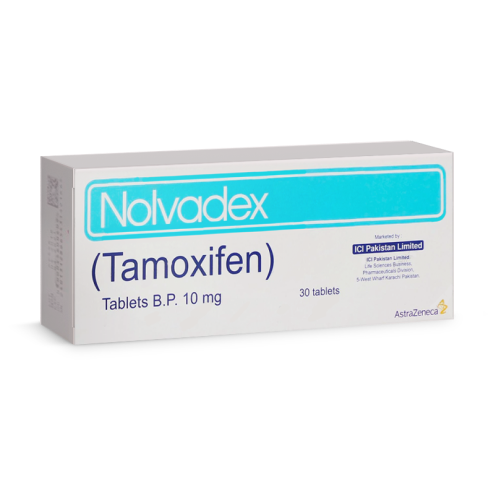
Nolvadex (tamoxifen) is a prescription medication used to treat certain types of breast cancer—most often hormone receptor-positive disease—in the United States. Before starting Nolvadex, every patient should know this: its benefits and risks depend not just on the drug itself, but on your unique cancer type and health profile. Discussing how Nolvadex fits into your treatment plan with your oncologist is essential—because for some patients, it is the single most important long-term therapy they will take, while for others, alternatives may offer a better balance of effects.
Nolvadex Realities in Breast Cancer Care: Decisions, Expectations, and Gaps
A woman sits in her oncologist’s office, scan results folded in her lap. The word “Nolvadex” appears on a printout. She’s heard the name before—maybe from a friend, maybe in a cancer support group, maybe on a late-night search. But what she wants to know isn’t written on the prescription pad: Will this drug really change my odds? Will I feel like myself? How do I know if this is the right move—or if something better is out there?
Few drugs in breast cancer spark more debate, confusion, and—when it works—gratitude than Nolvadex. Prescribed for both treatment and prevention, it occupies a unique space: old enough to be trusted, but not so simple that every patient’s experience can be predicted by the clinical trials. In the United States, Nolvadex is often recommended to women (and sometimes men) whose cancers are “estrogen receptor positive”—meaning the cancer needs estrogen to grow.
But what does that mean for your life? How will Nolvadex fit with the other parts of your treatment? Is the benefit theoretical, statistical, or personal? Too many patients start Nolvadex without anyone clarifying the choices, trade-offs, and details that matter—not just the risk of side effects, but details like: what if hot flashes hit hard, what if my periods change, what if I can’t get it covered by insurance, what if I’m in my 30s and want to have a baby later?
“I wish someone had told me what to expect before I took the first tablet. The decision felt both huge and rushed.”
— Breast cancer survivor, New York
This article exists to fill the gaps. Not just the big picture, but the details—how Nolvadex actually works, what American patients face, what risks and benefits feel like in the body, and how to navigate decisions when the path isn’t obvious. If you are deciding whether Nolvadex is right for you, or just want to understand what’s ahead, you are in the right place.
How Nolvadex Really Works When Hormones Drive Breast Cancer
In breast cancers that test positive for estrogen receptors (ER+), the hormone estrogen acts as fuel for tumor growth. Nolvadex (tamoxifen) doesn’t lower estrogen levels—instead, it blocks the cancer’s ability to use the estrogen your body already makes. Imagine a lock (the estrogen receptor on a cancer cell) and a key (estrogen). Nolvadex is like a “dummy key” that fits into the lock, blocking the real key from turning. The cell can’t “unlock” its growth machinery.
- Estrogen Receptor-Positive (ER+) Breast Cancer
- The most common type of breast cancer in the United States, where cancer cells grow faster in the presence of estrogen.
- Selective Estrogen Receptor Modulator (SERM)
- Nolvadex’s drug class. It blocks estrogen in breast tissue but can act like estrogen in other parts of the body, such as bones and the uterus.
Unlike aromatase inhibitors—another major drug class for hormone-sensitive breast cancer—Nolvadex is effective before menopause and after. Its unique mechanism means it doesn’t cause bone thinning to the same degree as many alternatives, making it especially valuable for younger women and those with osteoporosis risk. However, it can have estrogen-like effects elsewhere, which plays into both its benefits and its risks.
What patients often misunderstand is this: Nolvadex does not “kill” cancer cells directly. Its real power lies in prevention—of recurrence, progression, and sometimes even initial development of breast cancer in high-risk women. That’s why it’s used both after surgery (“adjuvant therapy”) and in certain high-risk situations for prevention (“chemoprevention”).
Nolvadex or Something Else? Comparing Tamoxifen to US Alternatives
The real choice many patients and their doctors face is not whether to treat hormone-sensitive breast cancer, but which drug to use. For premenopausal women, Nolvadex is often the default—but even then, alternatives exist. For postmenopausal women, the landscape is richer, with multiple options and trade-offs.
| Drug | Main Use | How It Works | Typical Users | Key Benefits | Common/Serious Side Effects | Prescription Status (US) | Insurance/Cost Considerations |
|---|---|---|---|---|---|---|---|
| Nolvadex (Tamoxifen) | Adjuvant and metastatic ER+ breast cancer; prevention in high-risk women | Blocks estrogen receptor in breast tissue (SERM) | Premenopausal and postmenopausal women; some men | No bone loss; proven recurrence reduction; fertility preserved | Hot flashes, blood clots, uterine cancer (rare), menstrual changes | Prescription only | Generic available, usually covered; low cash price |
| Anastrozole (Arimidex) | Adjuvant and metastatic ER+ breast cancer (mainly postmenopausal) | Blocks estrogen production (aromatase inhibitor) | Postmenopausal women | More effective for some; no uterine risk | Bone thinning, joint pain, cardiovascular risk | Prescription only | Generic available; coverage varies |
| Letrozole (Femara) | Similar to anastrozole | Blocks estrogen production (aromatase inhibitor) | Postmenopausal women | Strong evidence for recurrence prevention | Bone loss, muscle aches, increased cholesterol | Prescription only | Generic available; insurance usually covers |
| Raloxifene (Evista) | Prevention in high-risk women (not for treatment) | SERM, similar to Nolvadex but not for active breast cancer | Postmenopausal women | Prevents osteoporosis too | Hot flashes, blood clots, leg cramps | Prescription only | Coverage varies; less commonly used for cancer risk |
What does this mean for you? If you are premenopausal, Nolvadex is usually the first-line option. Its ability to preserve bone strength and fertility are unique among these choices. For women who have gone through menopause, aromatase inhibitors like anastrozole or letrozole may offer slightly better prevention of recurrence, but at the cost of higher bone loss and joint symptoms—a trade-off that matters if you already have osteoporosis or severe arthritis.
The “best” drug is rarely chosen by statistics alone. Doctors weigh age, menstrual status, risk of blood clots or fractures, desire for future pregnancy, and even the side effect profile you are most likely to tolerate. In the US, generic versions keep costs down for all options, but copays and insurance approval may nudge your decision.
Taking Nolvadex: What Daily Life Actually Looks Like
The prescription label might say “one tablet by mouth daily,” but the reality of living with Nolvadex is much more personal. For most, it’s a five-year (sometimes ten-year) commitment. The daily pill is small, but its effects ripple through sleep, mood, cycles, and—in some—relationships and fertility planning.
- Take at the same time every day—morning or night, as suits your routine. Consistency helps with absorption and habit.
- If you miss a dose by a few hours, take it when you remember. If you miss a whole day, skip it—do not double up the next day.
- Food does not significantly affect absorption, but taking Nolvadex with food may ease stomach upset in sensitive patients.
- Keep your oncology team updated about any new medications, supplements, or major changes in your health. Tamoxifen has some important drug interactions, especially with certain antidepressants (like paroxetine or fluoxetine).
Most patients are not told that menstrual cycles can become irregular—or may stop entirely—while taking Nolvadex, especially in younger women. Fertility is usually preserved, but not guaranteed; the drug is not a contraceptive, but it can interfere with ovulation. For women considering pregnancy after treatment, it is crucial to plan with your oncologist and, often, a fertility specialist. Nolvadex is contraindicated during pregnancy due to risk of birth defects.
Hot flashes, night sweats, and mood swings are common, but the intensity varies. Some patients find these symptoms fade after the first few months; for others, they persist but become manageable. Rarely, severe side effects or intolerable symptoms may prompt a switch to an alternative drug. Open communication with your doctor is critical—most problems can be managed, but only if your team knows what you are experiencing.
Which Side Effects Matter Most with Nolvadex—And When to Act
Every medication brings risks, and Nolvadex is no exception. Most side effects are mild and manageable; some are inconvenient; a few are serious and require urgent attention. The challenge is knowing the difference.
The most common issues—hot flashes, vaginal dryness, changes in periods—are disruptive but rarely dangerous. More serious risks, like blood clots or uterine cancer, are rare but not theoretical. What matters is not only recognizing these effects but understanding when to call your doctor and when to ride it out.
| Side Effect | How Common? | When to Call Your Doctor |
|---|---|---|
| Hot flashes, night sweats | Very common | If severe, sleep-disrupting, or unmanageable with lifestyle changes |
| Irregular or absent periods | Common (especially in premenopausal) | If you miss >2 periods and may be pregnant (stop Nolvadex and call immediately); if severe bleeding |
| Vaginal dryness/discharge | Common | If severe discomfort or persistent abnormal discharge |
| Blood clots (leg, lung) | Rare (<2%) | Immediately, for leg swelling/pain, chest pain, shortness of breath, coughing up blood |
| Uterine cancer | Very rare (<1% per year) | For abnormal vaginal bleeding, pelvic pain, or new uterine symptoms |
| Mood changes/depression | Uncommon | If symptoms are persistent, severe, or suicidal thoughts develop |
| Vision changes (cataracts, blurry vision) | Rare | If you notice new or worsening vision problems |
Most women tolerate Nolvadex well for years. But even rare risks—like blood clots—are serious enough that everyone starting the drug should know the warning signs. The risk of uterine cancer is highest in women over 50 and increases with longer duration of therapy. Routine gynecologic care is recommended for all women on long-term Nolvadex.
“The side effects patients fear most are often not the ones that change treatment. Hot flashes, yes, they’re disruptive. But it’s the rare but serious risks—like blood clots or unexpected bleeding—that we watch for most closely, because those can require an immediate change in therapy. If you’re unsure about a symptom, don’t wait. Most of the time it’s nothing serious, but when it is, speed matters.”
— Breast Oncologist, United States
When Not to Take Nolvadex
- You are pregnant or may become pregnant during treatment. Tamoxifen can cause serious birth defects and is absolutely contraindicated in pregnancy.
- You have a known allergy to tamoxifen or any component of Nolvadex. True allergic reactions are rare but require avoidance.
- You have a history of blood clots (deep vein thrombosis or pulmonary embolism) that were not related to trauma or surgery. The risk of recurrence is increased with Nolvadex.
- You are currently taking certain medications that strongly interact with tamoxifen metabolism (especially some antidepressants)—talk to your doctor for a medication review.
- History of endometrial (uterine) cancer—Nolvadex can increase risk of recurrence or new cancer in the uterus.
- Severe liver disease—metabolism of the drug may be impaired, leading to higher risk of side effects.
- Children or adolescents—Nolvadex is rarely used outside of adult populations except in rare cases and under specialist care.
In every case, your oncologist will weigh the risks and benefits based on your individual situation. If you have questions about any of these situations, schedule a discussion with your care team before starting or continuing Nolvadex.
Nolvadex in the US Healthcare System: Access, Cost, and Practicalities
In the United States, Nolvadex is a prescription-only medication. While the brand name is still recognized, nearly all patients receive generic tamoxifen, which is as clinically effective and tightly regulated for quality. Any licensed physician, including your oncologist or primary care doctor, can prescribe Nolvadex, though breast cancer patients almost always receive it through their oncology team.
Insurance coverage is generally excellent for tamoxifen, as it is a first-line therapy for ER+ breast cancer and supported by all major guidelines. Most patients pay a minimal co-pay, and many US pharmacies offer generic tamoxifen at low out-of-pocket cost for uninsured patients—sometimes as little as $10-30 per month. Brand-name Nolvadex, if specifically requested, is almost always more expensive and rarely medically necessary, unless a true allergy to the generic excipients exists.
- Prescription is required; online pharmacy sites selling Nolvadex without a US prescription are not legal or safe sources.
- Pharmacies in the US must follow FDA and state regulations for dispensing; generic tamoxifen must meet quality and purity standards.
- Assistance programs exist for uninsured or underinsured patients; your oncology team or pharmacist can provide details.
- Refills are typically handled as a long-term prescription (up to 90 days at a time), with routine follow-up appointments to review side effects and effectiveness every 3-6 months.
What about mail-order pharmacies? Many US insurance plans encourage or require mail delivery for maintenance medications like tamoxifen. This is generally safe and cost-effective, provided the pharmacy is licensed in your state. Be wary of any “international pharmacy” offering Nolvadex without a prescription—this is illegal and may be unsafe.
FAQ: Nolvadex in Real Life—Answers to What Patients Actually Ask
- Is Nolvadex really as effective as aromatase inhibitors for preventing recurrence?
- For premenopausal women, Nolvadex is considered equally effective and sometimes preferred due to its bone-sparing effects. For postmenopausal women, aromatase inhibitors may offer a small additional benefit in reducing recurrence, though the difference is not dramatic for most. Your age and menopausal status matter most; discuss with your oncologist if you’re unsure.
- Can Nolvadex affect my chances of having children after treatment?
- Nolvadex does not cause permanent infertility, but it may disrupt cycles temporarily. Most women regain fertility after stopping; however, a small percentage may experience persistent changes. If future pregnancy is important, bring this up early—fertility preservation strategies exist.
- How serious is the risk of blood clots with Nolvadex?
- The risk is real but low—less than 2% per year in most patients. Women over 50 or with a personal history of clots are at highest risk. Immediate medical attention is needed for sudden leg swelling, chest pain, or shortness of breath during treatment.
- How do I know if my “side effect” is from Nolvadex or something else?
- Many effects—hot flashes, mood shifts—are common with both menopause and Nolvadex. If you start a new symptom soon after starting the drug, it’s likely related. But only your doctor can sort out persistent, severe, or worrisome symptoms.
- Is there any reason to use brand name Nolvadex over generic tamoxifen?
- In almost all cases, the generic is as effective and safe as the brand name. Rarely, allergy to a filler or excipient might prompt a switch, but this is unusual. Insurance almost never covers brand if generic is available.
- What happens if I stop Nolvadex early?
- Stopping before completing the recommended course (typically 5 years) may reduce your protection against cancer recurrence. Side effects are the most common reason for early discontinuation; if you’re struggling, talk to your doctor about options, including dose changes or switching medications.
- Can men with breast cancer take Nolvadex?
- Yes. Nolvadex is the standard of care for men with hormone receptor-positive breast cancer in the United States. Side effect profiles are similar, though men may experience different reproductive or sexual effects.
- Why do some women need Nolvadex for 10 years instead of 5?
- Newer studies suggest extended therapy can provide additional protection for high-risk patients, but it also increases the risk of long-term side effects. The decision is individualized—your oncologist will recommend a duration based on your risk factors and side effect tolerance.
- Are there foods or supplements I need to avoid while on Nolvadex?
- Grapefruit and grapefruit juice can interfere with drug metabolism in rare cases. The bigger concerns are prescription and over-the-counter medicines (especially certain antidepressants); always run new medications by your oncology pharmacist or physician.
Sources / References
- U.S. Food and Drug Administration (FDA)
- NCCN Clinical Practice Guidelines in Oncology: Breast Cancer, National Comprehensive Cancer Network, 2023
- PDQ® Cancer Information Summaries: Breast Cancer Treatment, National Cancer Institute
- Tamoxifen (Oral Route) Description and Brand Names, Mayo Clinic
- ClinicalTrials.gov
- Tamoxifen: How It Works, Uses, Side Effects, Breastcancer.org
- American Society of Clinical Oncology (ASCO)
- Nolvadex (tamoxifen citrate) Prescribing Information, AstraZeneca, 2019