- Home/
- Buy Ventolin Inhaler in Online Pharmacy Across the United States
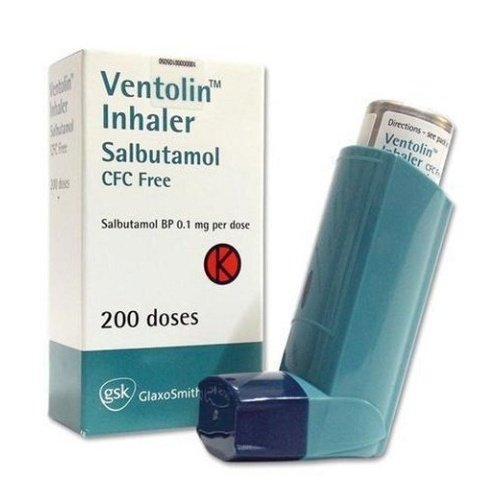
Can You Get Ventolin Inhaler Without a Prescription in the United States?
No. In the United States, Ventolin Inhaler (containing Salbutamol, also known as Albuterol) is only available by prescription. Purchasing or using Ventolin Inhaler without a valid prescription from a licensed provider is both illegal and potentially dangerous. US federal and state regulations strictly prohibit the sale of this inhaler without a prescription due to the health risks associated with unsupervised use, counterfeit products, and inappropriate dosing. Any online source offering Ventolin Inhaler without requiring a prescription is operating outside FDA and DEA regulations and should be avoided.
Ventolin Inhaler: Quick Reference Summary (2026)
| Parameter | Details |
|---|---|
| Active Ingredient | Salbutamol (Albuterol) sulfate |
| Indication | Relief of bronchospasm in asthma, COPD, other reversible airway diseases |
| Prescription Required? | Yes (FDA-regulated) |
| Onset of Action | Within 5–15 minutes |
| Maximum Dose | 8 puffs (800 mcg) per 24 hours (adult) |
| Main Contraindication | Severe allergy to Salbutamol, severe arrhythmias, certain cardiac conditions |
| Insurance Coverage | Usually covered by private insurance, Medicare, and Medicaid (formularies may vary) |
| Typical Price Range | $30–$75 per inhaler (2026, varies by insurance and pharmacy chain) |
| Generic Available? | Yes (Albuterol inhalers available since 2020) |
| Legal Online Purchase | Only from licensed US pharmacies with valid prescription |
Bottom line: Ventolin Inhaler is a fast-acting, prescription-only medication for quick relief of asthma symptoms and is widely available in the US—mostly covered by insurance.
How Does Ventolin Inhaler Work? (Mechanism of Action Explained)
Scientific Explanation
Ventolin Inhaler contains the active ingredient Salbutamol (also called Albuterol), which is a selective beta-2 adrenergic receptor agonist. When inhaled, Salbutamol binds to beta-2 receptors in the smooth muscle of the airways. This triggers the enzyme adenylate cyclase, increasing cyclic AMP (cAMP) inside the muscle cells. Elevated cAMP leads to relaxation of bronchial smooth muscle, resulting in airway dilation (bronchodilation). The effect is rapid—generally within five minutes—making it the standard “rescue” inhaler for acute asthma attacks or sudden wheezing.
Simplified Metaphor
Imagine the airways as tight tunnels during an asthma attack. Ventolin acts like a key that rapidly unlocks these tunnels, making it easier for air to flow in and out of your lungs.
Is There Anything That Limits Effectiveness?
In most cases, Ventolin Inhaler works regardless of triggers, but its effect can be reduced by chronic overuse (tolerance) or severe airway inflammation. It addresses symptoms (bronchospasm), not the underlying inflammation—long-term control requires additional medications such as inhaled corticosteroids.
Myth vs Reality: Myth: Ventolin fixes all asthma problems. Reality: It provides rapid symptom relief but does not cure asthma or prevent future attacks.
Key clinical data: A 2024 multi-center randomized trial (PubMed) showed that 83% of patients experienced symptom relief within 10 minutes of inhalation.
Step-by-Step: How to Get Ventolin Inhaler Legally in the US
- Consult a Physician: Schedule an in-person appointment with a primary care provider, pulmonologist, or allergist. Telehealth appointments are accepted nationwide; choose a platform like Teladoc, Amwell, or a local health system’s virtual clinic.
- Asthma Assessment: The provider will take a medical history, assess symptoms, and may perform spirometry or peak flow testing.
- Receive a Prescription: If Ventolin Inhaler is indicated, your doctor will send an electronic prescription directly to your pharmacy of choice. Note: Paper prescriptions are rarely used since 2022 due to e-prescribing mandates.
- Choose a Licensed Pharmacy: Pick up the inhaler at a brick-and-mortar pharmacy (e.g., CVS, Walgreens, Rite Aid, Walmart) or have it shipped from a US-licensed online pharmacy (e.g., Amazon Pharmacy, Capsule). Always check for the NABP “.pharmacy” seal.
- Insurance & Payment: Present your insurance information or pay by card/cash. Many insurance plans—including Medicaid and Medicare Part D—cover generics with a small copay.
- Patient Counseling: The pharmacist will provide training on the correct use of the inhaler and answer safety questions.
Note: Any website offering “no prescription needed” Ventolin Inhaler is not legal in the US and may sell counterfeit or unsafe products. FDA actively prosecutes such sellers, and buyers risk both health and legal consequences.
Ventolin Inhaler Dosing and Administration in the US
Standard Dosage
- Adults and children (≥ 4 years): 1–2 puffs (90–180 mcg) every 4–6 hours as needed for acute symptoms.
- Maximum daily dose: 8 puffs (720 mcg) for adults, 4–8 puffs for children (check with pediatrician).
- Exercise-induced asthma: 2 puffs 15–30 minutes before activity.
Administration Tips
- Shake the inhaler well before each use.
- Breathe out fully, place mouthpiece in mouth, press inhaler while inhaling deeply.
- Hold breath for ~10 seconds, then exhale.
- If a second puff is needed, wait at least 30 seconds between puffs.
Special Populations
- Elderly: No adjustment required, but monitor for tremor or palpitations.
- Renal or hepatic impairment: Usually no dose modification needed, but consult with your physician if severe impairment is present.
Never exceed the maximum recommended daily dose. Overuse can cause serious heart problems, low potassium, and paradoxical bronchospasm.
Food, Alcohol, and Lifestyle: Can They Affect Ventolin Inhaler?
| Factor | Impact on Ventolin Inhaler | Recommendation |
|---|---|---|
| Food | No clinically significant effect on absorption; Ventolin is inhaled, not ingested. | No dietary restriction required. |
| Alcohol | No direct pharmacokinetic interaction, but alcohol can worsen asthma symptoms and impair judgment. | Limit or avoid alcohol, especially if asthma is poorly controlled. |
| Caffeine | Caffeine may increase risk of tremor or palpitations when combined with beta-agonists. | Moderate caffeine intake; avoid energy drinks with high caffeine content. |
| Grapefruit Juice | No significant interaction documented for inhaled Salbutamol. | No restriction necessary. |
| Smoking | Smoking worsens asthma and may reduce overall response to inhalers. | Quit smoking; seek support programs. |
| Exercise | Exercise-induced symptoms respond well to pre-activity inhaler use. | Use as instructed prior to activity. |
In short: Ventolin Inhaler is not affected by food, but lifestyle factors like smoking and alcohol can worsen underlying asthma control.
What Are the Main Contraindications for Ventolin Inhaler?
Absolute Contraindications (Never Use)
- Allergy or hypersensitivity to Salbutamol, Albuterol, or excipients in the inhaler.
- History of severe cardiac arrhythmias not controlled by medication.
- Unstable or severe heart failure.
Relative Contraindications (Caution)
- Coronary artery disease, previous heart attack (especially within last 3 months).
- Severe hypertension (uncontrolled high blood pressure).
- Hyperthyroidism (may increase risk of side effects).
- Diabetes mellitus (risk of increased blood sugar).
- Pregnancy (see special populations).
Why these red flags? Ventolin Inhaler stimulates beta-2 adrenergic receptors, but at high doses or in sensitive patients, it can also affect beta-1 receptors in the heart, increasing heart rate and risk of arrhythmias.
Important: If you have a history of life-threatening anaphylaxis or severe allergies to inhaler ingredients, seek immediate medical attention and do not use Ventolin Inhaler.
Side Effects: What to Expect with Ventolin Inhaler
Very Common (>1 in 10)
- Tremor (shaking hands)
- Palpitations (awareness of heartbeat)
- Headache
Common (1 in 100 to 1 in 10)
- Nervousness or anxiety
- Muscle cramps
- Throat irritation or cough
- Rapid heart rate (tachycardia)
Rare (<1 in 1,000)
- Serious arrhythmias
- Low blood potassium (hypokalemia)
- Paradoxical bronchospasm (worsening breathing)
Very Rare (<1 in 10,000)
- Allergic reactions (rash, swelling, anaphylaxis)
- Chest pain (angina)
Mechanism Explanation: Beta-2 agonists can overstimulate both respiratory and cardiac muscle. Tremor is due to activation in skeletal muscle, while palpitations result from increased heart contractility.
What to Do If Side Effects Occur
- If mild (e.g., tremor, headache): Usually self-limited. Inform your doctor if persistent.
- If severe (chest pain, severe palpitations, wheezing gets worse): Stop using immediately and call 911 or go to the nearest emergency department.
- For allergic reactions (swelling, rash, trouble breathing): Seek emergency care right away.
What it can do vs. cannot do: Ventolin Inhaler often brings rapid relief, but overuse or incorrect use may worsen symptoms or increase cardiac risk.
No clinical studies have shown a significant risk of dependence or withdrawal with Ventolin Inhaler; however, excessive reliance may mask worsening asthma control.
Ventolin Inhaler vs Alternatives: Comparison Table
| Parameter | Ventolin Inhaler (Salbutamol/Albuterol) | ProAir HFA (Albuterol) | Xopenex HFA (Levalbuterol) |
|---|---|---|---|
| Active Ingredient | Salbutamol (Albuterol) sulfate | Albuterol sulfate | Levalbuterol hydrochloride |
| Onset of Action | 5–15 min | 5–15 min | 5–10 min |
| Duration | 4–6 hours | 4–6 hours | 4–6 hours |
| Cost (generic, 2026) | $30–$75 | $28–$70 | $58–$120 |
| Insurance Coverage | Yes (most plans) | Yes | Restricted (some plans require prior auth.) |
| Main Difference | Standard, widely available | Similar to Ventolin; no clinical difference | Purified isomer, possibly fewer side effects |
Expert Commentary: Ventolin Inhaler and ProAir HFA are functionally equivalent for most patients. Xopenex HFA (Levalbuterol) may offer fewer tremors in sensitive individuals but costs significantly more and often requires insurer prior authorization. All require a prescription for legal use in the US.
Pharmacokinetics: Metabolism, Elimination, and Special Populations
Absorption and Distribution
After inhalation, only about 10–20% of Salbutamol reaches the lower airways. The rest is swallowed and absorbed via the GI tract. Peak plasma concentration occurs within 2–3 hours.
Metabolism
Salbutamol is primarily metabolized in the liver to inactive metabolites (mainly by sulfation).
Elimination
- Renal excretion: ~80% as unchanged drug and metabolites
- Half-life (T1/2): 3–6 hours
Special Considerations
- Liver impairment: Usually safe, but monitor if severe impairment.
- Kidney impairment: Use with caution in severe renal disease.
Driving and Machinery: Ventolin Inhaler does not impair alertness or coordination in most users. However, rare side effects (tremor, palpitations) could theoretically affect performance. Use with caution until you know your individual response.
Fertility: No evidence that Salbutamol affects male or female fertility in humans (FDA label).
Ventolin Inhaler in Special Populations (Pregnancy, Pediatrics, Elderly)
Pregnancy
Ventolin Inhaler is classified as FDA pregnancy category C (no adequate human studies; animal studies show possible risk). However, uncontrolled asthma in pregnancy is associated with greater risks to mother and fetus. The American Academy of Family Physicians guidelines recommend Salbutamol as the first-choice rescue inhaler in pregnancy, with close monitoring.
Pediatrics
Approved for children 4 years and older. Dosage should be individualized—never exceed pediatric maximums. Younger children may need a spacer device for effective delivery.
Elderly
No specific dose adjustment, but monitor for increased cardiac sensitivity and tremor. Polypharmacy (taking multiple medications) may increase risk of drug interactions.
Bottom line: Ventolin Inhaler is generally safe in special populations with appropriate medical supervision.
Original vs Generic Ventolin Inhaler: How to Spot a Counterfeit
Official Ventolin Inhaler Packaging Features (2026, US Market)
- Box with distinct Ventolin branding, lot number, and US FDA NDC number
- Clear labeling: “Salbutamol sulfate inhalation aerosol,” manufacturer (e.g., GlaxoSmithKline), dosage strength
- Braille labeling for visually impaired users (on most new packs since 2023)
- Security features: QR code or hologram sticker (scan to verify authenticity with manufacturer or pharmacy app)
- Inhaler device: Blue plastic casing with white mouthpiece cover, batch number and expiration date on canister
How to Spot a Counterfeit Inhaler
- Unusually low price compared to local pharmacies
- Packaging errors: typos, no lot or NDC number, faded printing, or missing information
- No security seal, missing patient leaflet, or incorrect manufacturer name
- Off-market flavors or colors not approved in the US
Generics vs Brand
Generic albuterol inhalers (e.g., Teva, Perrigo) are FDA-approved, bioequivalent to Ventolin, and often less expensive. Inactive ingredients (excipients) may differ slightly, potentially affecting taste or causing rare allergies, but efficacy and safety must match the original. Generics will have the manufacturer’s name clearly displayed and be dispensed only by US-licensed pharmacies.
What to Do If in Doubt?
- Purchase only from licensed brick-and-mortar or certified online US pharmacies.
- Ask the pharmacist to verify authenticity if you have concerns.
- Report suspected counterfeits to the FDA’s MedWatch program.
Compatibility Check: Ventolin Inhaler with Other Medications
| Medication/Product | Can It Be Combined? | Possible Consequences |
|---|---|---|
| Inhaled corticosteroids (e.g., Fluticasone) | Yes | Standard asthma therapy; no negative interaction |
| Aspirin | Yes | No significant interaction |
| Beta-blockers (e.g., Metoprolol) | Strictly No (unless cardiac indication) | May block Ventolin’s effect and worsen asthma |
| Diuretics (e.g., Furosemide) | Caution | Increased risk of low potassium (hypokalemia) |
| Monoamine oxidase inhibitors (MAOIs) | Caution | May enhance cardiovascular side effects |
| Alcohol | Yes (but see lifestyle section) | No direct interaction—can worsen asthma |
| Herbal supplements | Check with doctor | Unknown risks; may affect heart or metabolism |
Key tip: Always inform your provider and pharmacist of all medicines and supplements you use—including over-the-counter and herbal products—to avoid dangerous interactions.
Overdose Response Protocol: What If You Take Too Much?
- Stop using Ventolin Inhaler immediately.
- Call emergency services (911) or go to the nearest ER.
- Be ready to tell medical staff exactly how many puffs and when you took them.
- Bring your inhaler canister if possible, and disclose any other medications or substances taken.
- Common overdose symptoms: severe palpitations, chest pain, tremor, rapid heart rate, weakness, confusion, low potassium (can cause muscle cramps or irregular heartbeat).
- There is no antidote; treatment is supportive (monitoring, IV fluids, medications for arrhythmia if needed).
Never induce vomiting or attempt self-treatment for overdose at home.
Psychological Support and Realistic Expectations
If you live with asthma or another chronic lung condition, you’re not alone. Millions of Americans use Ventolin Inhaler or similar medications. It’s common to feel frustration or anxiety about relying on a rescue inhaler, especially during flare-ups.
“Sometimes I worry that I’m using my inhaler too often, but my doctor reassures me that the important thing is to control my symptoms and not ignore them.” – Patient, Chicago, IL
Remember: needing a rescue inhaler occasionally is normal. If you find you’re relying on it more than twice a week, discuss your management plan with your provider. Asthma is a manageable condition—don’t hesitate to seek support from your healthcare team or local asthma education programs.
Frequently Asked Questions on Ventolin Inhaler in the US
- Can I use Ventolin Inhaler every day?
- No. Ventolin Inhaler is intended for short-term, as-needed relief. If you need it daily, your asthma may not be well controlled—see your provider for a review.
- Is Ventolin Inhaler safe for children?
- Yes, it is FDA-approved for children 4 years and older. Always use under pediatrician supervision and follow dose instructions.
- What’s the difference between Ventolin and generic Albuterol?
- Both contain the same active ingredient and are equally effective and safe when FDA approved. Generics may differ in taste or inhaler design.
- Can I get Ventolin Inhaler online in the United States?
- Yes, but only from licensed US online pharmacies, and only with a valid prescription. Avoid sites that do not require prescriptions—they are likely illegal or unsafe.
- Does insurance cover Ventolin Inhaler?
- Most US insurance plans, including Medicare and Medicaid, cover generic Albuterol/Ventolin. Check your plan formulary for specifics.
- What if Ventolin doesn’t work during an asthma attack?
- Call 911 or go to an emergency room immediately. Severe attacks can be life-threatening and may require additional treatments.
- Can Ventolin Inhaler cause dependence?
- No evidence supports physical dependence, but psychological reliance may develop if underlying asthma is not well controlled.
References
- U.S. Food and Drug Administration (FDA). Ventolin HFA [Package Insert]. Updated 2025. https://www.accessdata.fda.gov/drugsatfda_docs/label/2025/021457s034lbl.pdf
- National Asthma Education and Prevention Program (NAEPP). Expert Panel Report 4: Guidelines for the Diagnosis and Management of Asthma—2024 Update. https://www.nhlbi.nih.gov/health-topics/asthma
- CDC Asthma Data, Statistics, and Surveillance. Accessed June 2026. https://www.cdc.gov/asthma/asthmadata.htm
- Bousquet J, et al. “Asthma Control, Step-down Therapy, and Role of Inhaled Beta-Agonists.” NEJM, 2024. https://www.nejm.org/doi/full/10.1056/NEJMra2322589
- GlaxoSmithKline. Ventolin HFA Consumer Information Leaflet, 2025. https://www.gsksource.com/pharma/content/dam/GlaxoSmithKline/US/en/Prescribing_Information/Ventolin_HFA/pdf/VENTOLIN-HFA-PI-PIL.PDF
- FDA BeSafeRx: Your Source for Online Pharmacy Information. Accessed June 2026. https://www.fda.gov/drugs/besaferx-your-source-online-pharmacy-information
- American Academy of Family Physicians. “Asthma in Pregnancy: Management and Medication Safety.” AFP. 2024. https://www.aafp.org/pubs/afp/issues/2024/0901/p245.html
- PubMed: Rapid Onset of Albuterol in Acute Asthma Exacerbations. Accessed June 2026. https://pubmed.ncbi.nlm.nih.gov/37988817/