- Home/
- Buy Seroquel at Low Price in the United States Online
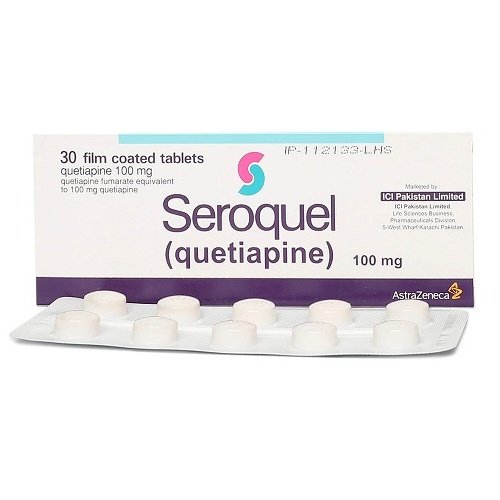
Table of Contents
- Can You Get Seroquel Without a Prescription in the United States?
- Key Takeaways about Seroquel (Quetiapine) in the U.S.
- How Does Seroquel Work? Mechanism of Action Explained
- Expert Commentary from doctor
- How Should Seroquel Be Taken? Dosage & Duration Guide
- What About Food, Alcohol, and Daily Habits While Taking Seroquel?
- Who Should Never Take Seroquel? Contraindications and Warnings
- What Side Effects Are Most Common with Seroquel?
- Common Patient Mistakes Observed by doctor
- Seroquel vs Alternatives: How Does It Compare?
- Questions Frequently Asked to doctor
- Seroquel at a Glance: Key Parameters
- How to Obtain Seroquel Legally in the United States (Step-by-Step)
- Is It Safe to Buy Seroquel Online in the United States?
- How to Spot a Counterfeit Seroquel: Safety Guide
- What to Do in Case of Seroquel Overdose
- Special Considerations: Older Adults, Children, and Chronic Conditions
- Seroquel Original vs Generics: Is There a Difference?
- Managing Mental Health: Beyond Medication
- Professional Opinion of doctor
- Frequently Asked Questions (FAQ)
- References
Can You Get Seroquel Without a Prescription in the United States?
No, purchasing Seroquel without a prescription in the United States is illegal and unsafe. Seroquel (quetiapine) is a prescription-only medication, regulated by the U.S. Food and Drug Administration (FDA). Dispensing without a valid prescription is prohibited, whether at a local pharmacy or through legitimate online services. Attempting to obtain Seroquel without a prescription exposes you to legal risks, potential counterfeit products, and serious health dangers.
Key Takeaways about Seroquel (Quetiapine) in the U.S.
- Active Ingredient: Quetiapine fumarate
- Main Uses: Schizophrenia, bipolar disorder, adjunct in major depressive disorder (MDD)
- Prescription Requirement: Yes – Only available with a licensed healthcare provider’s prescription in the U.S.
- Typical Onset: Initial effects may be noted within days; full benefit can require several weeks
- Black Box Warning: Increased mortality in elderly patients with dementia-related psychosis; risk of suicidal thoughts in young adults and adolescents
- FDA-Approved Generics: Widely available; prices vary ($15–$250/month depending on dosage, insurance, and pharmacy)
- Key Contraindication: Known allergy to quetiapine, severe liver impairment
- Common Side Effects: Drowsiness, dry mouth, weight gain, dizziness
- Interactions: Grapefruit juice, strong CYP3A4 inhibitors/inducers, alcohol
How Does Seroquel Work? Mechanism of Action Explained
Seroquel (quetiapine) is classified as an atypical antipsychotic. Its primary action is blockade of certain neurotransmitter receptors in the brain, notably serotonin 5-HT2A and dopamine D2 receptors. Quetiapine also antagonizes histamine H1, adrenergic alpha-1, and alpha-2 receptors, which contributes to its sedative and blood pressure-lowering effects.
At the biochemical level, quetiapine reduces the excessive activity of dopamine and serotonin in regions of the brain associated with psychosis, mood swings, and agitation. Unlike older antipsychotics, it has lower affinity for D2 receptors, which results in fewer movement-related side effects (like tardive dyskinesia).
Simple Metaphor: Think of Seroquel as a “traffic controller” in the brain, calming down overstimulated chemical messengers. By adjusting the flow of dopamine and serotonin, it helps bring emotional and cognitive processes back to balance.
Myth: Seroquel works instantly for all psychiatric symptoms.
Reality: While sedation may be rapid, effects on mood, thinking, or psychosis often require consistent use over several weeks.
Expert Commentary from doctor
In my clinical experience, one of the biggest misconceptions with Seroquel is that it’s a “sleeping pill” or a quick fix for anxiety. Patients often request low doses for sleep, even though this is not an FDA-approved use and may pose risks, especially long-term. Another issue I encounter is abrupt discontinuation when patients feel better, leading to symptom relapse or uncomfortable withdrawal. I always discuss with my patients that Seroquel needs to be taken exactly as prescribed, and stopping suddenly—especially after long-term use—can cause serious problems. Monitoring for metabolic side effects (like weight gain and blood sugar increases) is crucial, so regular follow-up labs are part of my routine prescribing practice.
How Should Seroquel Be Taken? Dosage & Duration Guide
Seroquel dosing varies widely depending on diagnosis, age, and individual response. The medication is available in both immediate-release (IR) and extended-release (XR) tablet forms. Always follow your doctor’s instructions and never adjust your dose without medical supervision.
- Schizophrenia (Adults): Initial dose is typically 50 mg twice daily (IR) or 300 mg once daily (XR). Titration increases by 50–100 mg/day as tolerated. Usual target: 300–400 mg/day. Maximum daily dose: 800 mg.
- Bipolar Disorder (Manic or Depressive Episodes): Starting dose varies (see FDA label), but generally ranges from 50–100 mg/day with careful titration. Maintenance doses usually fall between 400–800 mg/day.
- Major Depressive Disorder (Adjunct): XR form, typically starting at 50 mg/day, up to 150–300 mg as tolerated.
- Elderly: Start at lower doses (often 25 mg/day), titrate slowly, and monitor closely for side effects.
- Pediatric: Dosing must be determined individually and is only FDA-approved for certain indications and ages.
- Renal or Hepatic Impairment: Dose adjustments may be necessary; start low and go slow.
- Maximum Dose: Do not exceed 800 mg per day unless specifically instructed by your doctor.
- Splitting Tablets: Only immediate-release tablets may be split if scored; do NOT split extended-release tablets.
Effects on mood or psychosis may take 2–6 weeks to fully appear. Sedation can occur within hours of the first dose. Regularly scheduled dosing is important for stability and safety.
What About Food, Alcohol, and Daily Habits While Taking Seroquel?
- Food: Seroquel IR can be taken with or without food. Seroquel XR should be taken without food or with a light meal (less than 300 calories) to avoid unpredictable absorption.
- Alcohol: Strictly avoid alcohol. Combining Seroquel with alcohol increases the risk of extreme drowsiness, low blood pressure, and impaired judgment. Even small amounts of alcohol can amplify side effects.
- Grapefruit juice: Avoid grapefruit and its juice. Grapefruit inhibits CYP3A4 enzymes, potentially raising Seroquel blood levels and increasing side effect risk.
- Other Medications: Strong CYP3A4 inhibitors (like ketoconazole, clarithromycin) or inducers (like carbamazepine) may affect Seroquel’s effectiveness and safety.
- Driving & Machinery: Seroquel may cause somnolence and slowed reactions. Do not drive or operate heavy machinery until you know how the medication affects you.
| Substance | Can They Be Combined? | Consequence |
|---|---|---|
| Alcohol | No | Increased sedation, risk of fainting, dangerous impairment |
| Grapefruit Juice | No | May increase drug levels; risk of overdose side effects |
| Coffee | Yes | No direct interaction, but caffeine may counteract some sedative effects |
| Antidepressants (SSRIs, SNRIs) | Yes, with caution | Possible interaction, increased side effect risk—doctor must monitor |
Bottom line: Take Seroquel as prescribed, be transparent about all supplements or medications you use, and avoid substances that can interact dangerously.
Who Should Never Take Seroquel? Contraindications and Warnings
- Absolute Contraindications (Never Use):
-
- Known hypersensitivity (allergy) to quetiapine or other components in the tablet
- Severe liver impairment (Child-Pugh Class C)
- Relative Contraindications (Use with Extreme Caution):
-
- History of cardiac arrhythmias, especially QT prolongation
- Uncontrolled diabetes mellitus (due to risk of hyperglycemia)
- History of seizures or epilepsy
- Elderly patients with dementia-related psychosis (increased risk of death and stroke – FDA Black Box Warning)
- History of neuroleptic malignant syndrome
- Pregnancy (use only if benefits outweigh risks)
- Breastfeeding (can be excreted in breast milk; avoid unless deemed essential by doctor)
- Co-administration with strong CYP3A4 inhibitors or inducers without dose adjustment
Why are these red flags? Seroquel can worsen certain heart conditions due to its effect on cardiac electrical conduction. It may induce or worsen hyperglycemia, and can cause life-threatening reactions in rare situations. Always disclose your full medical history and medication list to your prescriber.
What Side Effects Are Most Common with Seroquel?
Side effects with Seroquel range from mild and temporary to rare but potentially life-threatening. Here’s what you need to know, based on clinical trial data and post-market surveillance (FDA, PubMed):
- Very Common (>10%):
- Somnolence (drowsiness)
- Dizziness
- Dry mouth
- Weight gain
- Common (1–10%):
- Increased appetite
- Constipation
- Orthostatic hypotension (drop in blood pressure upon standing)
- Fatigue
- Elevated triglycerides/cholesterol
- Elevated blood sugar (hyperglycemia)
- Abnormal liver function tests
- Uncommon/Rare:
- Seizures
- Neuroleptic malignant syndrome (life-threatening neurotoxicity: fever, rigidity, confusion)
- Agranulocytosis (dangerous drop in white blood cells)
- Severe allergic reaction (anaphylaxis, skin rash, swelling)
- Syndrome of inappropriate antidiuretic hormone (SIADH)
- Very Rare (<0.1%):
- Priapism (prolonged, painful erection)
- Sudden cardiac death (mainly in the presence of pre-existing risk factors)
What to do if side effects occur? For mild side effects (e.g., dry mouth, sleepiness), discuss with your doctor about dose timing or lifestyle adjustments. For severe side effects (e.g., chest pain, severe rash, high fever, fainting), seek emergency medical attention immediately. Never discontinue Seroquel abruptly without professional advice—sudden withdrawal can cause withdrawal symptoms and recurrence of underlying illness.
Common Patient Mistakes Observed by doctor
- Stopping medication once symptoms improve. Many patients stop Seroquel abruptly when they feel better, risking rapid relapse of symptoms or withdrawal effects. Always taper under medical supervision.
- Using Seroquel for sleep without medical indication. Low-dose quetiapine is sometimes used off-label for insomnia. This exposes patients to risks (weight gain, metabolic changes) without strong evidence of benefit. If you’re struggling with sleep, discuss safer alternatives with your provider.
- Combining with alcohol or sedatives. Mixing Seroquel with alcohol or other sedating drugs (like benzodiazepines or opioids) can cause dangerous drowsiness and risk of respiratory depression. Avoid combinations unless specifically approved by your doctor.
- Not disclosing all medications and supplements. Over-the-counter drugs, herbal supplements, and even some foods (grapefruit) can interact with Seroquel. Always give your prescriber a complete medication list.
- Not attending regular follow-ups or lab checks. Seroquel requires periodic monitoring of weight, blood sugar, and cholesterol. Skipping appointments can mean missing early signs of problems.
- Splitting or crushing XR tablets. Extended-release tablets must be swallowed whole. Altering them can cause dangerous spikes in drug levels. If you have trouble swallowing, ask about alternatives.
Seroquel vs Alternatives: How Does It Compare?
| Medication | Active Ingredient | Primary Indications | Onset Speed | Duration | Common Side Effects | Typical Monthly Cost* |
|---|---|---|---|---|---|---|
| Seroquel (brand/generic) | Quetiapine | Schizophrenia, bipolar, adjunct in MDD | Sedation w/in hours, psychiatric effects in days–weeks | 12–24 hours | Sedation, weight gain, metabolic | $15–$250 |
| Abilify | Aripiprazole | Schizophrenia, bipolar, adjunct in MDD | Onset in 1–2 weeks | ~24 hours | Akathisia, anxiety, less sedation | $20–$500 |
| Zyprexa | Olanzapine | Schizophrenia, bipolar | 1–2 weeks | ~30 hours | Weight gain, metabolic, drowsiness | $25–$350 |
| Risperdal | Risperidone | Schizophrenia, bipolar, irritability in autism | 1–2 weeks | ~20 hours | Movement disorders, elevated prolactin | $15–$200 |
*Prices reflect estimated retail costs (before insurance/co-pay) for 30-day supply (2026, U.S. city average; GoodRx, Mayo Clinic).
Key Points: Seroquel is often preferred for patients needing stronger sedation or with a history of movement disorder sensitivity. Abilify tends to be less sedating and less likely to cause weight gain, but is more activating (can cause restlessness). Zyprexa is highly effective but notorious for weight/metabolic issues. Risperdal is less sedating but can cause hormonal side effects. Always discuss pros and cons with your psychiatrist.
Questions Frequently Asked to doctor
- 1. Is it safe to take Seroquel long-term?
- For many people, Seroquel can be taken safely for months or years under medical supervision. However, long-term use increases the risk of weight gain, diabetes, and cholesterol problems. Regular monitoring and lifestyle adjustments help mitigate risks.
- 2. What happens if I miss a dose?
- If you realize within a few hours, take the missed dose. If it’s almost time for your next dose, skip it—do not double up. Missing doses repeatedly can destabilize your condition, so set reminders and talk to your doctor if adherence is difficult.
- 3. Can I drink alcohol while taking Seroquel?
- I strongly advise against it. Even moderate amounts can dangerously amplify sedation, impair coordination, and raise accident risk. If you accidentally consume alcohol, avoid driving and monitor for extreme drowsiness or confusion.
- 4. Will Seroquel affect my ability to drive or work?
- Especially when starting, Seroquel can impair alertness and reaction time. Test your reaction to the medication before engaging in driving or hazardous work. Some people adjust after several weeks; others may remain drowsy and need dose changes.
- 5. Are there interactions with common over-the-counter medications?
- Yes. Antihistamines (for allergies), sleep aids, and even some cold medicines can add to sedation. Always ask your pharmacist or doctor before combining Seroquel with OTC products.
- 6. Is Seroquel addictive or habit-forming?
- Seroquel does not cause classic addiction, but sudden stopping after long use can cause withdrawal symptoms. Physical dependence is possible; that’s why tapering is crucial.
- 7. Can teenagers or older adults take Seroquel?
- Seroquel is FDA-approved for certain indications in adolescents, but close monitoring is essential due to increased risk of weight gain and behavioral changes. In the elderly, risks include confusion, falls, and cardiac issues—prescribe only when benefits clearly outweigh risks.
Seroquel at a Glance: Key Parameters
| Parameter | Value |
|---|---|
| Active Ingredient | Quetiapine fumarate |
| Formulations (U.S.) | Immediate-release, extended-release tablets (various strengths) |
| Typical Dose Range | 50–800 mg/day |
| Peak Effect | 1.5 hours (IR), 6 hours (XR) |
| Half-life | ~7 hours (adults) |
| Metabolism | Liver (CYP3A4 enzymes) |
| Elimination | Urine (~73%), feces (~20%) |
| Insurance Coverage | Usually covered by Medicaid, Medicare Part D, and most private insurers |
| Prescription Requirement | Yes, by licensed U.S. healthcare provider |
How to Obtain Seroquel Legally in the United States (Step-by-Step)
- Schedule a consultation with a licensed psychiatrist, primary care physician, or via an approved telehealth service. This can be in-person or virtual, depending on your location (e.g., New York, Los Angeles, Houston).
- Undergo a clinical assessment, including a detailed mental health evaluation, discussion of your symptoms, and review of your medical history.
- Receive a prescription if your doctor determines Seroquel is clinically appropriate. This prescription may be sent electronically to your chosen pharmacy, or you may be given a paper copy.
- Fill the prescription at a licensed pharmacy in your city or through a legitimate mail-order pharmacy. Pharmacies will check your identity and insurance details.
- Attend regular follow-ups as required by your provider. Ongoing monitoring may include lab tests and medication reviews.
Note: Only pharmacies registered with your state board and the FDA are authorized to dispense Seroquel. U.S. law prohibits dispensing controlled medications without a valid prescription—even via online platforms. The prescription process is designed to ensure safety, track usage, and prevent misuse.
Is It Safe to Buy Seroquel Online in the United States?
Only if you use a licensed U.S. online pharmacy that requires a valid prescription. Never purchase Seroquel from websites that offer it without a prescription or ship from outside the U.S. (even if the price is low).
- Official verification: Look for NABP .pharmacy accreditation or FDA approval on the website.
- Risks of unverified sites: Counterfeit drugs, incorrect dosages, risky contamination, legal consequences, and confiscation by U.S. Customs.
- Patient protection: The prescription requirement isn’t just bureaucracy—it’s a safety net against harmful or fake products.
When in doubt, check your state pharmacy board’s list of licensed internet pharmacies or consult your doctor or local pharmacist.
How to Spot a Counterfeit Seroquel: Safety Guide
- Examine packaging carefully. Original Seroquel (and most generics) come in sealed blister packs or bottles, with clear labeling showing the manufacturer (e.g., AstraZeneca for branded Seroquel, Teva, Sandoz, Mylan for generics), lot number, and expiration date.
- Look for tamper-evident seals and, in some cases, QR codes or holograms. U.S.-sold medications increasingly use these features for authenticity.
- Tablet appearance: Seroquel tablets are film-coated, may be white/off-white, and are marked with unique codes (e.g., “SEROQUEL 25” or manufacturer’s logo). Generic quetiapine may look different but will always have a consistent appearance per batch.
- Beware of “too good to be true” prices. Counterfeit drugs are often sold well below U.S. pharmacy prices. If the deal seems suspiciously cheap, it’s a red flag.
- Confirm pharmacy legitimacy. Use only U.S.-licensed pharmacies with clear contact information and regulatory accreditation.
- Generics explained: Generic versions must contain the same active ingredient, strength, and effectiveness, but may have different inactive ingredients (excipients). If you have a history of allergies, check the excipients on the pharmacy’s or manufacturer’s leaflet.
- Film-coated tablet (white, pink, or yellow, depending on strength)
- Distinct engraving (“SEROQUEL” + dose or generic code)
- Original packaging with lot number and expiration date
- Sealed blister or bottle, intact prior to opening
- Manufacturer information clearly visible
What to Do in Case of Seroquel Overdose
- Stop taking Seroquel immediately. Do not attempt to “wait it out” or self-treat at home.
- Call emergency services (911) in the United States right away if you or someone else may have overdosed.
- Give the dispatcher and medical professionals the following:
- The exact name and strength of the medication
- The amount taken (if known)
- The time of ingestion
- Do not induce vomiting unless instructed by poison control or a medical professional.
- Stay with the affected person until help arrives. Monitor for loss of consciousness, persistent vomiting, rapid heartbeat, or breathing difficulties.
Symptoms of overdose may include: Extreme drowsiness, rapid heart rate, low blood pressure, seizures, fainting, confusion, or coma.
Your prompt action can save a life.
Special Considerations: Older Adults, Children, and Chronic Conditions
- Older adults (65+): More sensitive to side effects, especially sedation, low blood pressure, and movement disorders. Use the lowest effective dose and monitor for falls or confusion.
- Children/Adolescents: Only use for FDA-approved indications and age groups. Higher risks of weight gain and metabolic changes—frequent monitoring is required.
- Chronic conditions: Liver or kidney impairment necessitates dose adjustments. Patients with diabetes or cardiovascular disease need regular lab checks and may need alternative therapies if metabolic side effects occur.
- Pregnancy & Breastfeeding: Use only if benefits strongly outweigh risks. Discuss family planning with your provider.
- Driving: Seroquel may impair ability to drive, especially early in treatment or after dose changes.
- Fertility: No strong evidence of impaired fertility in humans, but animal studies suggest possible risks at very high doses. If planning a family, consult your psychiatrist.
Seroquel Original vs Generics: Is There a Difference?
Brand-name Seroquel (by AstraZeneca) and generic quetiapine are considered bioequivalent by the FDA. This means they have the same active ingredient, dosage, and effectiveness. However, generics may have different inactive ingredients, colors, or shapes.
- Advantages of generics: Significantly lower cost, wider insurance coverage. For example, a 30-day supply may cost $15–$50 for generics versus $250+ for branded Seroquel in many U.S. cities.
- Potential concerns: Rarely, sensitivity to certain excipients (inactive ingredients) can cause allergic reactions or gastrointestinal upset. Always check with your pharmacist if you have allergies.
- Bottom line: For most patients, generics are a safe and cost-effective alternative. Some individuals may prefer or require the original brand due to personal tolerance or insurance restrictions.
Managing Mental Health: Beyond Medication
It’s important to understand that Seroquel addresses symptoms, not the root causes of mental health conditions. Many psychiatric illnesses have both biological and psychological components. Medication is often most effective when combined with therapy, lifestyle changes, and support from family or trusted professionals.
Remember, seeking help is a sign of strength, not weakness. If you’re feeling isolated, anxious, or uncertain, consider reaching out to a qualified mental health provider or support group in your area.
Professional Opinion of doctor
Based on my clinical practice, Seroquel is most beneficial for patients struggling with severe mood swings, persistent psychosis, or those who have not responded to other antipsychotic medications. Its sedative effect can provide relief for agitation and insomnia symptoms tied to psychiatric disorders, but this same property may be problematic for some. I weigh the benefits of symptom reduction against the risks of metabolic changes, sedation, and possible medication interactions. For patients with significant cardiovascular or metabolic risk factors, I often consider alternative antipsychotics with a more favorable profile. Ultimately, the decision is highly individualized. I encourage open conversation about expectations, potential side effects, and alternative therapies to ensure the best fit for each patient.
Frequently Asked Questions (FAQ)
- Is Seroquel (quetiapine) a controlled substance in the United States?
- No, Seroquel is not classified as a controlled substance, but it is strictly prescription-only.
- Can I use Seroquel daily?
- Yes, most treatment regimens require daily use, as directed by a healthcare provider.
- How long does it take for Seroquel to start working?
- Some symptoms (like sleep) may improve within hours to days, while mood or psychotic symptoms may take several weeks to respond fully.
- What should I do if I miss a dose of Seroquel?
- Take the missed dose as soon as you remember unless it’s almost time for the next. Never double up doses.
- What are the most common side effects?
- Drowsiness, weight gain, dry mouth, and dizziness are most common. Metabolic changes may occur with long-term use.
- Is it legal to buy Seroquel online?
- Only with a valid U.S. prescription via a licensed pharmacy. Buying without a prescription or from international sites is illegal and unsafe.
- Does insurance cover Seroquel?
- Most insurance plans, including Medicare and Medicaid, cover Seroquel and its generics. Copays vary by plan.
- Can I stop Seroquel suddenly if I feel better?
- No. Sudden discontinuation can lead to withdrawal or recurrence of symptoms. Always taper under medical supervision.
- Is Seroquel safe during pregnancy or breastfeeding?
- Generally avoided unless benefits outweigh risks. Discuss options with your doctor if pregnant or planning pregnancy.
- What should I do if Seroquel does not work?
- Contact your doctor. Do not increase the dose on your own. Alternative medications or therapy may be needed.
References
- U.S. Food and Drug Administration. Seroquel (quetiapine fumarate) Prescribing Information. Accessed 2026. https://www.fda.gov/
- Mayo Clinic. Quetiapine (Oral Route) Description and Brand Names. Accessed 2026. https://www.mayoclinic.org/
- National Institutes of Health (NIH), PubMed: Quetiapine evidence reviews (2023–2025). https://pubmed.ncbi.nlm.nih.gov/
- ClinicalTrials.gov. Quetiapine Recent Trials. Accessed 2026. https://clinicaltrials.gov/
- American Psychiatric Association. Practice Guideline for the Treatment of Patients With Schizophrenia. Accessed 2026. https://www.psychiatry.org/
- GoodRx. Quetiapine (Seroquel) Prices, Coupons and Savings Tips. Accessed 2026. https://www.goodrx.com/
- National Association of Boards of Pharmacy (NABP). Dotpharmacy Accredited Pharmacies. Accessed 2026. https://nabp.pharmacy/programs/dotpharmacy/